
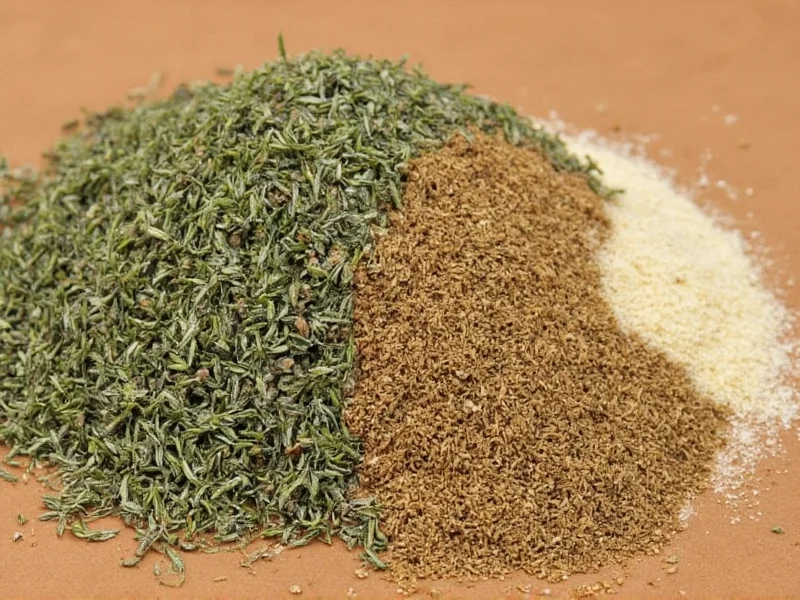
When your recipe calls for thyme but your spice rack is empty, knowing the right substitute can save your dish from blandness. Thyme's distinctive earthy, slightly minty flavor with subtle lemon notes makes it a staple in many cuisines, particularly Mediterranean and French cooking. Understanding which herbs can effectively replace thyme requires knowledge of flavor profiles and proper substitution ratios to maintain your dish's intended taste.
Top Thyme Substitutes Explained
Oregano: The Mediterranean Stand-In
Oregano shares thyme's Mediterranean heritage and offers a similar earthy profile with slightly more pungency. While oregano has a stronger flavor than thyme, it works exceptionally well in tomato-based dishes, grilled meats, and vegetable preparations. When substituting, use 3/4 teaspoon of dried oregano for every 1 teaspoon of dried thyme called for in your recipe. For fresh herbs, maintain a 1:1 ratio as fresh oregano is less concentrated.
Marjoram: The Gentle Alternative
Often called thyme's sweeter cousin, marjoram provides the closest flavor match with a more delicate, floral profile. This makes it an excellent 1:1 substitute for thyme in delicate dishes like fish, egg preparations, and light sauces. Marjoram's milder nature means you can use it confidently without overwhelming other flavors in your dish.
Savory: The Underrated Twin
Savory, particularly summer savory, shares remarkable similarities with thyme in both flavor and culinary applications. With its peppery notes and subtle thyme-like aroma, savory works beautifully in bean dishes, stuffings, and roasted vegetables. Use a 1:1 substitution ratio for both dried and fresh forms when replacing thyme.
Rosemary: The Bold Option
Rosemary offers a more intense, pine-like flavor compared to thyme's subtlety. When using rosemary as a thyme substitute, exercise caution—use only half the amount called for in your recipe. This potent herb shines in roasted meats, potatoes, and hearty stews where its robust flavor won't dominate more delicate ingredients.
Herbes de Provence: The Blended Solution
This classic French herb blend typically contains thyme along with rosemary, oregano, and other complementary herbs. When thyme isn't available, Herbes de Provence makes an excellent substitute, particularly in Mediterranean recipes. Use a 1:1 ratio, understanding that the final flavor will incorporate additional herbal notes beyond pure thyme.
| Substitute | Flavor Profile | Substitution Ratio | Best For |
|---|---|---|---|
| Oregano | Earthy, slightly pungent | 3:4 (dried) | Tomato sauces, grilled meats, pizza |
| Marjoram | Sweet, floral, mild | 1:1 | Fish, eggs, light sauces |
| Savory | Peppery, herbal | 1:1 | Bean dishes, stuffings, roasted vegetables |
| Rosemary | Pine-like, strong | 1:2 | Roasted meats, potatoes, hearty stews |
| Herbes de Provence | Complex herbal blend | 1:1 | Mediterranean dishes, roasted vegetables |
Practical Substitution Guidance
When selecting a thyme replacement, consider your dish's cooking method and other ingredients. For quick-cooking dishes like sautés or fresh salads, marjoram provides the most seamless substitution. In long-simmering recipes such as stews or braises, oregano or savory maintain their flavor better through extended cooking times.
For those wondering what spice is similar to thyme for chicken, oregano works exceptionally well in Mediterranean preparations, while marjoram complements poultry with its delicate floral notes. When making Italian dishes that call for thyme, oregano serves as the most authentic alternative, preserving the regional flavor profile.
Remember that dried herbs generally have more concentrated flavor than fresh. When substituting dried herbs for fresh thyme, use one-third the amount. Conversely, when replacing dried thyme with fresh alternatives, triple the quantity. This knowledge helps prevent overpowering your dish when making herb substitutions.
Special Considerations for Different Cuisines
Understanding regional herb usage can guide your thyme substitution choices. In French cuisine, where thyme appears frequently, marjoram or Herbes de Provence maintains authenticity. For Italian cooking, oregano provides the most appropriate flavor bridge. When preparing Middle Eastern dishes that call for thyme, za'atar (which often contains thyme) makes an excellent substitute, though it will add additional flavors from sumac and sesame seeds.
Chefs often wonder what herb can I use instead of thyme when creating complex flavor profiles. The answer depends on whether you're aiming to replicate thyme's earthiness (choose oregano), its subtle mint notes (consider a tiny bit of mint itself), or its floral qualities (marjoram works best). Understanding these nuances helps you make informed substitutions that preserve your dish's intended character.
FAQ Section
Can I use basil as a substitute for thyme?
Basil makes a marginal substitute for thyme only in specific applications. While both are Mediterranean herbs, basil has a sweeter, more anise-like flavor compared to thyme's earthiness. Use basil sparingly as a thyme replacement only in tomato-based dishes, and expect a noticeably different flavor profile. For most recipes calling for thyme, oregano or marjoram provide better alternatives.
What's the best thyme substitute for stew?
For stews and braises requiring long cooking times, oregano or savory work best as thyme substitutes. Use 3/4 teaspoon dried oregano for every teaspoon of dried thyme called for in your recipe. These herbs maintain their flavor integrity through extended cooking better than more delicate alternatives like marjoram, which can lose potency.
How does fresh thyme substitution differ from dried?
Fresh and dried herbs require different substitution approaches. When replacing fresh thyme, use equal amounts of fresh alternatives like marjoram. For dried thyme, remember that dried herbs are more concentrated—use 3/4 the amount of dried oregano or 1/2 the amount of dried rosemary. Never substitute dried herbs for fresh in a 1:1 ratio, as this will result in an overpowering flavor.
Can I use tarragon instead of thyme?
Tarragon makes a specialized substitute for thyme only in certain French dishes. Its distinctive anise flavor differs significantly from thyme's earthiness. Use tarragon sparingly (about half the amount) when preparing chicken or fish dishes where its unique flavor complements rather than replaces thyme's profile. For most applications requiring thyme, oregano or marjoram provide more appropriate flavor matches.
Is there a spice blend that can replace thyme?
Herbes de Provence serves as the most effective spice blend substitute for thyme, as it typically contains thyme along with complementary herbs like rosemary and oregano. Use a 1:1 substitution ratio. Italian seasoning also works reasonably well in Mediterranean dishes, though it lacks thyme's specific flavor notes. For best results, choose a blend that includes thyme as a primary ingredient when possible.




 浙公网安备
33010002000092号
浙公网安备
33010002000092号 浙B2-20120091-4