
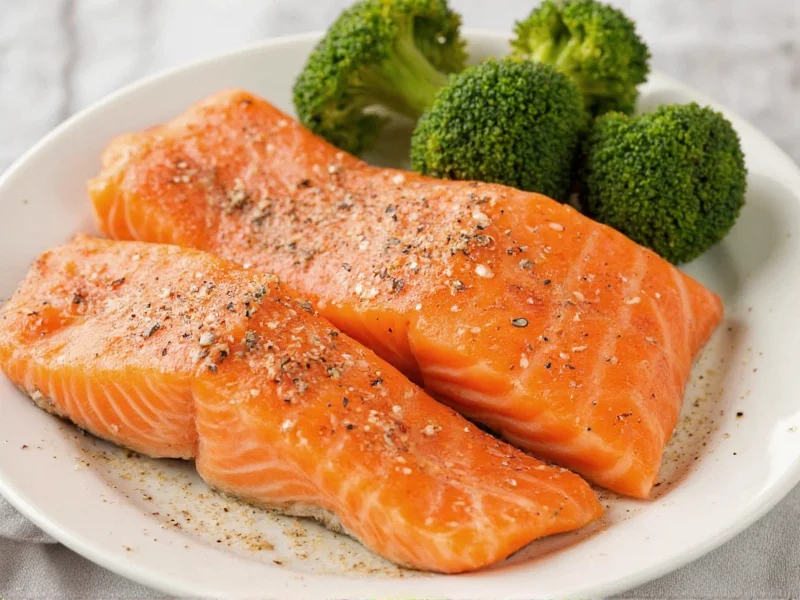
Salmon's rich, oily texture and mild flavor make it incredibly versatile for seasoning. Understanding which flavors complement rather than compete with salmon's natural characteristics is key to creating restaurant-quality dishes at home. The right seasoning combination can transform simple salmon into a memorable meal while preserving its nutritional benefits.
Why These Seasonings Work Perfectly with Salmon
Salmon contains natural oils that carry fat-soluble flavor compounds, making it particularly receptive to certain seasonings. Acidic elements like lemon juice cut through the richness, while aromatic herbs like dill and tarragon complement rather than mask the fish's delicate flavor. Salt not only enhances taste but also helps form a desirable crust when searing. Garlic adds depth without overwhelming the fish, especially when used in moderation.
Classic Salmon Seasoning Combinations
These proven combinations work across various cooking methods from baking to grilling. Each serves two people with 6-ounce salmon portions:
| Seasoning Profile | Ingredients | Best Cooking Method |
|---|---|---|
| Classic Lemon-Dill | 1 tsp salt, ½ tsp pepper, 1 tbsp fresh dill, 2 lemon slices, 1 minced garlic clove | Baking, pan-searing |
| Smoky Paprika Blend | 1 tsp smoked paprika, ½ tsp garlic powder, ½ tsp onion powder, 1 tsp lemon zest, 1 tsp olive oil | Grilling, broiling |
| Mediterranean Herb | 1 tsp dried oregano, 1 tsp dried thyme, ½ tsp rosemary, 1 minced shallot, 1 tbsp olive oil | Baking, en papillote |
| Asian-Inspired | 1 tbsp soy sauce, 1 tsp sesame oil, 1 tsp grated ginger, 1 minced garlic clove, 1 tsp honey | Broiling, pan-searing |
Applying Seasonings for Maximum Flavor Impact
Timing and technique significantly affect how seasonings interact with salmon. For best results, season salmon 15-20 minutes before cooking to allow flavors to penetrate without drawing out excessive moisture. Pat the fish dry with paper towels first—this crucial step ensures seasonings adhere properly and promotes better browning. When using salt, apply it first to help form a flavorful crust, followed by other dry seasonings, then wet ingredients like lemon juice or oil.
For grilling salmon, consider using a cedar plank or placing the fish directly on well-oiled grates. The high heat of grilling caramelizes seasonings beautifully but requires careful timing to prevent burning delicate herbs. Baking salmon at 375-400°F allows seasonings to meld gradually with the fish's natural oils.
Avoiding Common Seasoning Mistakes
Many home cooks make these seasoning errors with salmon:
- Over-seasoning - Salmon's delicate flavor gets lost with too many competing spices
- Applying citrus too early - Acidic ingredients can begin to "cook" the fish if left on too long before heat
- Using dried herbs when fresh would be better - Delicate herbs like dill and tarragon lose complexity when dried
- Not adjusting for cooking method - What works for baked salmon may burn on the grill
- Seasoning only the top side - Flip salmon halfway through cooking and season both sides
Special Considerations for Different Salmon Types
Wild-caught salmon typically has a stronger flavor than farmed varieties, allowing it to handle bolder seasonings. For delicate king salmon with its high fat content, lighter seasoning approaches work best. When working with frozen salmon, ensure it's thoroughly thawed and patted dry before seasoning—excess moisture prevents proper adhesion of seasonings and inhibits browning.
Perfect Pairings for Seasoned Salmon
Complete your meal with sides that complement your seasoning choice:
- Lemon-dill salmon pairs beautifully with roasted asparagus and quinoa
- Smoky paprika salmon works well with grilled corn and black bean salad
- Mediterranean herb salmon complements roasted cherry tomatoes and couscous
- Asian-inspired salmon serves nicely with jasmine rice and steamed bok choy
For sauce pairings, consider a simple lemon-dill yogurt sauce for classic preparations, or a ginger-soy reduction for Asian-inspired seasonings. A good rule of thumb: if your seasoning includes citrus, pair with a complementary citrus-based sauce; if using earthy herbs, match with herb-infused oils or butters.
Simple Salmon Seasoning for Weeknight Meals
When time is limited, keep a basic salmon seasoning mix in your pantry: combine 2 tablespoons kosher salt, 1 tablespoon black pepper, 2 tablespoons garlic powder, and 2 tablespoons dried dill. Store in an airtight container for up to three months. For each 6-ounce salmon portion, use 1½ teaspoons of this mix plus a squeeze of fresh lemon juice just before serving. This quick salmon seasoning solution delivers consistent results without complicated measurements.




 浙公网安备
33010002000092号
浙公网安备
33010002000092号 浙B2-20120091-4