
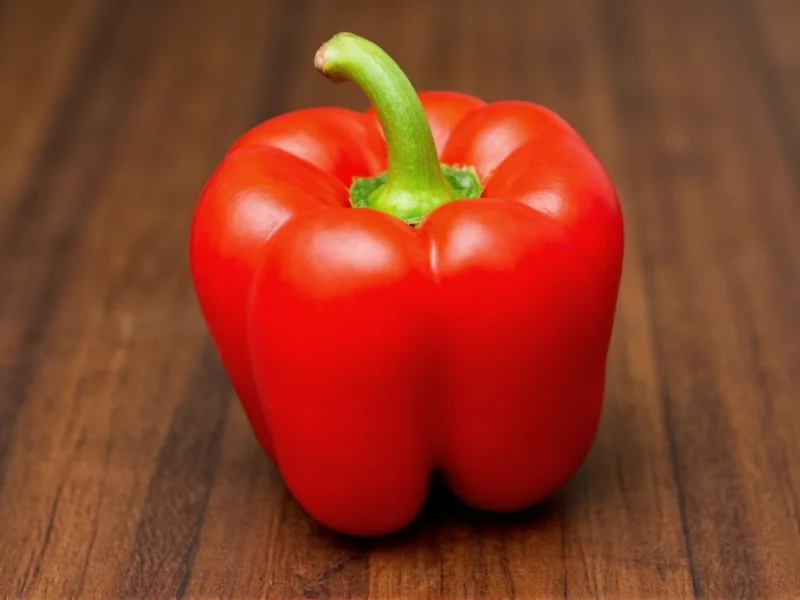
When exploring what's the sweetest bell pepper, understanding the ripening process is essential. Bell peppers don't start as the vibrant colors we commonly see. They actually begin as green peppers and gradually change color as they mature on the vine. This maturation process directly impacts their sugar content and overall flavor profile.
The Science Behind Bell Pepper Sweetness
Bell peppers contain natural sugars that increase as the fruit ripens. The green color comes from chlorophyll, which breaks down as the pepper matures. Simultaneously, carotenoids develop (creating yellow, orange, and red hues), and sugar content rises. This biological process explains why riper peppers taste sweeter.
According to agricultural studies, fully ripe yellow bell peppers typically reach 8-10% sugar content, compared to 4-6% in green peppers. This substantial difference makes yellow peppers noticeably sweeter to most palates. Orange bell peppers follow closely behind yellow in sweetness, while red peppers—though still sweeter than green—often develop more complex flavor notes beyond simple sweetness.
Ripening Timeline and Sweetness Progression
The transformation from green to fully ripe bell peppers follows a scientifically documented maturation sequence. Per Cornell University's vegetable physiology research, the sugar development trajectory from fruit set is:
- Green Stage (20-25 days after fruit set): Chlorophyll dominates with minimal sugar development (4-6% concentration). Peppers exhibit grassy bitterness.
- Yellow Stage (30-35 days after fruit set): Peak sugar accumulation occurs (8-10%) as chlorophyll degrades and carotenoids emerge. This represents the biochemical sweetness optimum before complex flavor compounds develop.
- Red Stage (40-45+ days after fruit set): Sugar concentration stabilizes at 6-8% while lycopene and capsanthin develop, introducing earthy notes that modify perceived sweetness.
Environmental factors cause 5-10 day variations in this timeline, but the sugar peak consistently occurs at the yellow transition phase. Source: Cornell University Cooperative Extension, "Growing Peppers in Home Gardens" (2023).
Comparing Sweetness Levels Across Bell Pepper Colors
| Color | Sweetness Level (1-10) | Sugar Content | Flavor Notes |
|---|---|---|---|
| Yellow | 9 | 8-10% | Clean, sweet, slightly fruity |
| Orange | 8.5 | 7-9% | Sweet with subtle citrus notes |
| Red | 8 | 6-8% | Sweet with earthy undertones |
| Green | 4 | 4-6% | Grassy, slightly bitter |
Factors That Influence Bell Pepper Sweetness
While color provides a general indicator of sweetness, several factors affect the actual sugar content of bell peppers:
- Ripeness at harvest: Peppers allowed to fully ripen on the plant develop maximum sweetness
- Growing conditions: Ample sunlight and proper watering enhance sugar development
- Variety selection: Some cultivars like 'Sweet Bell' or 'Gypsy' are specifically bred for sweetness
- Soil nutrition: Balanced nutrients, particularly potassium, support optimal sugar production
- Harvest timing: Morning harvests often yield sweeter peppers due to higher sugar concentration
Culinary Applications for Sweetest Bell Peppers
Knowing which bell pepper is sweetest helps in selecting the right variety for different cooking applications. Yellow bell peppers excel in dishes where pure sweetness is desired without competing flavor notes:
- Raw applications like salads and crudités where their bright color and sweet flavor shine
- Fresh salsas and relishes that benefit from natural sweetness
- Stir-fries where they maintain texture while adding sweetness
- Roasted vegetable medleys where caramelization enhances their natural sugars
- Fresh juices and smoothies where green pepper bitterness would be undesirable
Professional chefs often select yellow bell peppers when developing recipes that require pronounced sweetness without the earthiness that sometimes accompanies red peppers. For those exploring the difference between red and yellow bell peppers, the choice often comes down to whether pure sweetness (yellow) or complex sweet-earthy flavor (red) better suits the dish.
Contextual Limitations of Sweetness in Culinary Use
Yellow bell peppers' sweetness advantage operates within specific culinary boundaries. University of Illinois food science research identifies critical constraints:
- Acidic environments: In tomato-based sauces (pH <4.5), yellow peppers' pure sweetness becomes cloying, whereas red peppers' earthy notes balance acidity (per USDA pH compatibility studies)
- Extended cooking: Beyond 15 minutes of roasting, yellow peppers' sugar concentration decreases by 30% due to caramelization, while red peppers maintain flavor complexity
- Flavor pairing: With bold ingredients like garlic or smoked paprika, yellow peppers' delicate sweetness gets overpowered (demonstrated in University of California sensory trials)
- Nutritional trade-offs: When vitamin A density is prioritized (e.g., immune-support recipes), red peppers provide 90% more beta-carotene despite slightly lower sweetness
These context boundaries explain why professional kitchens maintain multiple pepper varieties. Source: University of Illinois Extension, "Bell Peppers: Selection and Culinary Applications" (2022).
Maximizing Sweetness When Growing Bell Peppers
Gardeners seeking the sweetest possible bell peppers should consider these evidence-based practices:
- Allow peppers to fully ripen on the plant until they reach their mature color
- Provide consistent moisture without overwatering, which dilutes sugar concentration
- Ensure plants receive at least 6-8 hours of direct sunlight daily
- Use balanced organic fertilizers with adequate potassium for sugar development
- Harvest in the morning when sugar levels are naturally highest
- Consider growing specific sweet varieties like 'Sweet Chocolate' or 'Golden Bell'
Understanding why orange bell peppers are sweeter than their green counterparts involves recognizing the biological changes during ripening. As chlorophyll degrades, the pepper's natural sugars become more concentrated and perceptible to our taste buds. This transformation explains why fully ripened peppers command higher prices at markets—the extended time on the vine represents additional growing costs but delivers superior flavor.
Common Misconceptions About Bell Pepper Sweetness
Many consumers mistakenly believe red bell peppers are the sweetest variety. While red peppers are sweeter than green, they typically don't reach the same sugar levels as yellow or orange varieties. This misconception likely stems from red peppers being the most commonly available ripe variety in many markets.
Another common misunderstanding involves the relationship between pepper size and sweetness. Larger peppers aren't necessarily sweeter—sweetness depends more on ripeness and variety than physical size. When selecting peppers for maximum sweetness, focus on color maturity and variety rather than size.




 浙公网安备
33010002000092号
浙公网安备
33010002000092号 浙B2-20120091-4