
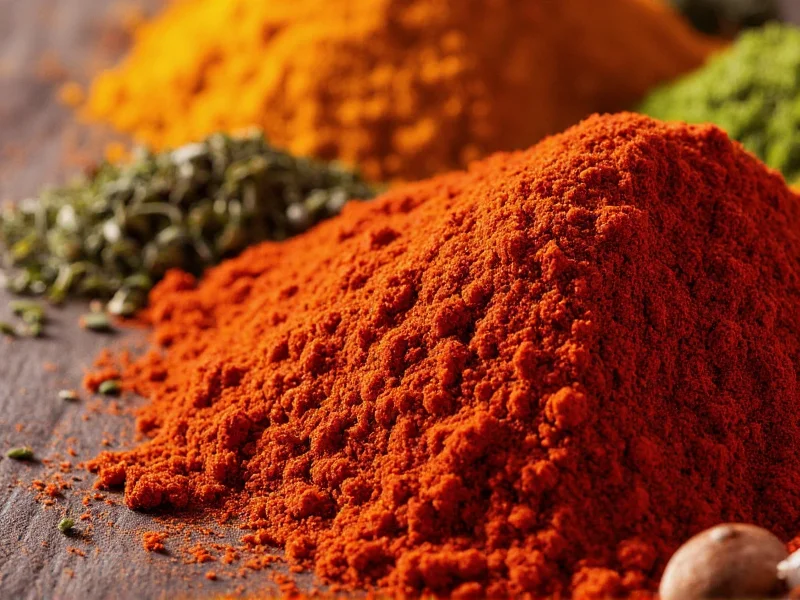
Saffron is definitively the world's most expensive spice by weight, with prices ranging from $500 to $5,000 per pound depending on quality. This extraordinary cost stems from the incredibly labor-intensive harvesting process—each delicate stigma must be hand-picked from thousands of crocus flowers.
When searching for what's the most expensive spice, the answer remains consistent across culinary experts and market analysts: saffron commands the highest price globally. This crimson-hued spice, derived from the Crocus sativus flower, has maintained its position as the priciest seasoning for centuries due to biological and economic factors that cannot be easily overcome.
Why Saffron Tops the List of Costly Spices
The staggering expense of saffron results from several interconnected factors. Each crocus flower produces only three stigmas, which constitute the saffron threads. Harvesting requires workers to carefully pluck these fragile threads by hand at dawn when the flowers are still closed. It takes approximately 75,000 flowers—or 225,000 individual stigmas—to produce just one pound of dried saffron.
Adding to the complexity, the harvesting window lasts merely two to three weeks each autumn, creating a narrow seasonal constraint. The flowers must be picked at precisely the right moment—too early and the stigmas won't have developed properly; too late and the flowers wilt, rendering the stigmas unusable. This time-sensitive process demands large temporary workforces in saffron-growing regions.
| Spice | Approximate Price per Pound | Harvesting Method | Flowers Needed per Pound |
|---|---|---|---|
| Saffron | $500-$5,000 | Hand-picked | 75,000 |
| Vanilla | $100-$300 | Hand-pollinated | N/A |
| Cardamom | $30-$100 | Hand-harvested | N/A |
| True Cinnamon (Ceylon) | $20-$50 | Hand-processed | N/A |
The Global Saffron Market and Quality Grading
Not all saffron carries the same price tag. The spice is graded according to ISO 3632 standards, which evaluate color strength (coloring power), flavor, and aroma. Grade I saffron—the highest quality—contains the most crocin (responsible for color), picrocrocin (for taste), and safranal (for aroma).
Iran produces approximately 90% of the world's saffron, with premium varieties coming from the Khorasan region. Spanish saffron (particularly from La Mancha) and Kashmiri saffron also command premium prices. When evaluating most expensive spice in the world claims, it's essential to distinguish between pure saffron and adulterated products, which significantly affects pricing.
Historical Context and Cultural Significance
Saffron's value isn't a modern phenomenon. Ancient Egyptians used it as a medicinal treatment, while in classical Greece and Rome, it adorned royal chambers and was sprinkled on guests as a symbol of hospitality. During the Middle Ages, saffron became so valuable that it was sometimes used as currency, and theft of saffron was punishable by death in some European regions.
The spice's historical importance explains why certain regions developed specialized harvesting techniques passed down through generations. Understanding why is saffron so expensive requires appreciating this centuries-old tradition where mechanization remains nearly impossible due to the flower's delicate nature.
Practical Uses and Substitutes
Despite its cost, saffron remains indispensable in certain culinary traditions. It's essential in Spanish paella, Persian rice dishes like tahdig, and Indian biryanis. The spice imparts not only its distinctive golden hue but also a complex flavor profile—earthy with subtle floral notes and a hint of honey.
For those seeking alternatives to this most costly spice globally, turmeric offers a similar color at a fraction of the price, though without the distinctive flavor. Some chefs use a combination of turmeric and paprika to approximate saffron's color and mild heat, but no substitute fully replicates saffron's unique sensory experience.
How to Purchase Quality Saffron
When shopping for this premium spice, look for deep red threads with minimal yellow styles attached. The best saffron should have a strong aroma and release color quickly when placed in warm liquid. Be wary of powdered saffron, which is frequently adulterated with cheaper colorants.
For home cooks wondering how much does saffron cost for practical use, a little goes a long way—a single gram (about 30 threads) can flavor multiple dishes. Many specialty stores sell saffron in small vials containing 0.5-1 gram, typically priced between $10-$20, making it accessible for occasional culinary adventures without breaking the bank.
Other Notable Expensive Spices
While saffron reigns supreme in the most expensive spices comparison, several others command premium prices:
- Vanilla: Second most expensive spice globally due to labor-intensive hand-pollination required for vanilla orchids
- Cardamom: Known as the "Queen of Spices," particularly green cardamom from Guatemala and India
- True Cinnamon (Ceylon): Distinct from common cassia cinnamon, this delicate variety comes from Sri Lanka
- Long Pepper: An ancient spice making a culinary comeback at premium prices
Frequently Asked Questions
Why is saffron the most expensive spice in the world?
Saffron is the most expensive spice due to its extremely labor-intensive harvesting process. Each crocus flower produces only three stigmas that must be hand-picked at dawn during a short two-to-three week window. It takes approximately 75,000 flowers to produce just one pound of dried saffron, making the production process incredibly time-consuming and requiring large seasonal workforces.
How much does genuine saffron cost per ounce?
High-quality saffron typically costs between $30 and $100 per ounce, depending on grade and origin. Premium Grade I saffron from reputable sources usually falls in the $50-$100 range per ounce. Be cautious of prices significantly below this range, as they often indicate adulterated or low-quality product.
Can you grow saffron at home to save money?
While you can grow saffron crocus bulbs in your garden, it's not economically viable for spice production. Each bulb produces only one flower with three stigmas, and you'd need thousands of plants to yield even a small amount of saffron. The harvesting must be done at precise times, making home production impractical for anything beyond personal curiosity.
What's the difference between Spanish, Iranian, and Kashmiri saffron?
Iranian saffron (constituting about 90% of global production) is known for strong coloring power. Spanish saffron, particularly from La Mancha, offers balanced flavor and aroma. Kashmiri saffron is prized for its deep color and strong aroma but is produced in smaller quantities. All three can be high quality when properly harvested and processed, with price differences reflecting regional production costs and grading standards.
How can I tell if saffron is pure and not adulterated?
Pure saffron consists of deep red threads with minimal yellow styles. When placed in warm water, it should gradually release a golden-yellow color (not instant) and maintain thread integrity. Adulterated saffron often bleeds color immediately or contains yellow parts that shouldn't be present. The threads should have a distinctive floral-honey aroma. Purchase from reputable suppliers who provide ISO grading information.




 浙公网安备
33010002000092号
浙公网安备
33010002000092号 浙B2-20120091-4