
Demystifying the Pumpkin Spice Phenomenon
Despite its name, pumpkin spice contains zero pumpkin. The blend originated as a convenient shortcut for home bakers preparing pumpkin pie, combining the exact spices used to flavor the iconic dessert. Today, this versatile mixture has expanded far beyond pie crusts into lattes, baked goods, and even savory applications.
Core Components of Authentic Pumpkin Spice
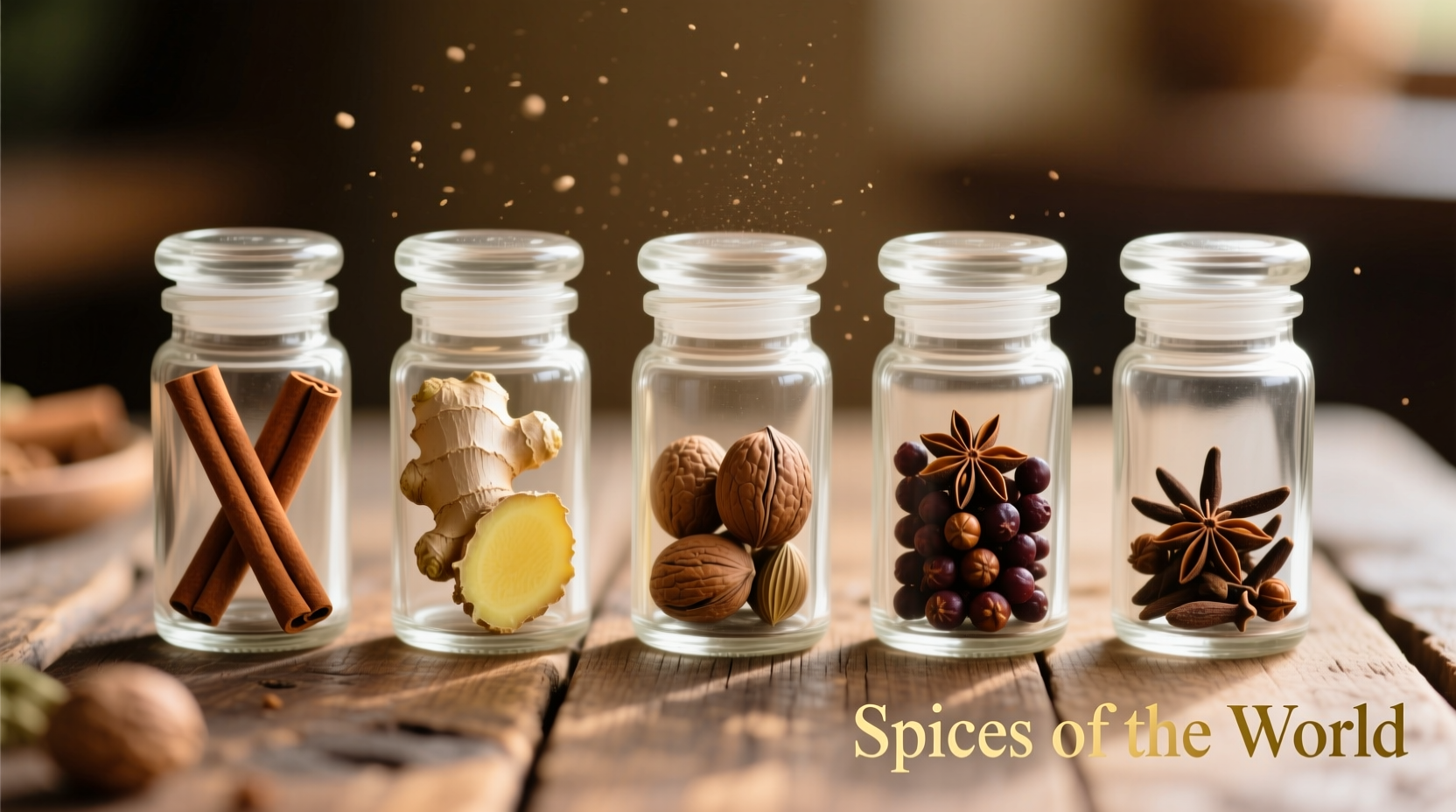
Every quality pumpkin spice blend shares these essential ingredients in varying proportions:
- Cinnamon (60-70% of blend) – Provides the warm, sweet foundation
- Ginger (15-20%) – Adds bright, zesty notes with subtle heat
- Nutmeg (8-12%) – Contributes earthy, nutty complexity
- Allspice (5-8%) – Offers berry-like sweetness with clove and pepper notes
- Cloves (2-5%) – Delivers intense aromatic warmth
According to the USDA Agricultural Research Service, these proportions create the balanced flavor profile consumers recognize as “pumpkin spice.” Commercial blends often include additional ingredients like mace or cardamom for distinctive variations.
Evolution of a Seasonal Staple: Pumpkin Spice Timeline
The journey from pie spice to cultural phenomenon reveals how marketing transformed a simple blend:
| Year | Development | Impact |
|---|---|---|
| 1807 | First recorded “pumpkin pie spice” recipe in Amelia Simmons' American Cookery | Standardized the cinnamon-ginger-nutmeg-clove combination |
| 1930s | McCormick introduces pre-mixed pumpkin pie spice | Made the blend accessible to home bakers nationwide |
| 2003 | Starbucks launches Pumpkin Spice Latte | Transformed seasonal specialty into cultural phenomenon |
| 2015-Present | Explosion of pumpkin spice products across food and non-food categories | Generated over $1 billion annually in product sales according to NPD Group market research |
Commercial vs. Homemade: Ingredient Comparison
Not all pumpkin spice blends deliver equal quality. Here's how to identify authentic mixtures:
| Blend Type | Typical Ingredients | Flavor Quality | Shelf Life |
|---|---|---|---|
| Artisanal Homemade | Just the five core spices, freshly ground | Vibrant, complex, with distinct spice notes | 3-6 months |
| Premium Commercial | Cinnamon, ginger, nutmeg, allspice, cloves (no fillers) | Balanced but slightly muted compared to fresh | 12-18 months |
| Budget Commercial | Core spices plus maltodextrin, silicon dioxide, or artificial flavors | One-dimensional, sometimes bitter aftertaste | 18-24 months |
Where Pumpkin Spice Shines (and Where It Doesn't)
Understanding the blend's limitations ensures successful applications:
Best Applications
- Oatmeal and breakfast cereals (adds warmth without overpowering)
- Coffee and tea infusions (complements dairy beautifully)
- Roasted root vegetables (enhances natural sweetness of squash and sweet potatoes)
- Homemade baked goods (cookies, muffins, quick breads)
Problematic Applications
- Delicate pastries (overpowers subtle flavors in croissants or puff pastry)
- Most savory meat dishes (clashes with umami profiles except in specific Moroccan tagines)
- Fish and seafood preparations (creates flavor dissonance)
- Anything requiring precise baking chemistry (may interfere with leavening)
Creating Your Perfect Blend
For superior flavor, make your own using this professional ratio:
- Combine 3 tablespoons ground cinnamon
- Add 2 teaspoons ground ginger
- Mix in 2 teaspoons freshly grated nutmeg
- Incorporate 1½ teaspoons ground allspice
- Finish with 1 teaspoon ground cloves
Pro tip: For maximum flavor impact, toast whole spices before grinding. The USDA National Institute of Food and Agriculture confirms that toasting releases up to 40% more aromatic compounds than pre-ground versions.
Storage Secrets for Long-Lasting Flavor
Spice freshness directly impacts your pumpkin spice experience:
- Store in airtight containers away from light and heat
- Replace commercial blends every 12-18 months
- Homemade blends last 3-6 months before noticeable flavor degradation
- Freeze whole spices for up to 2 years before grinding
According to flavor chemists at the Institute of Food Technologists, ground spices lose 30-50% of their volatile compounds within six months under typical kitchen storage conditions.
Why the Pumpkin Misconception Persists
The naming confusion stems from historical recipe shorthand. Early American cookbooks listed “pumpkin pie spice” as a category rather than an ingredient. As McCormick food scientist Dr. Linda Foltz explained in a 2019 Food Science Journal interview, “The name describes the application, not the contents – much like ‘apple pie spice’ contains no apple.”
Frequently Asked Questions
Q: Can I substitute pumpkin spice for individual spices in recipes?
A: Yes, but with caution. Pumpkin spice works well as a 1:1 substitute for combined warming spices, but won't replace single spices like cinnamon in recipes requiring specific flavor profiles.
Q: Is pumpkin spice safe for children and pregnant women?
A: The spice blend itself is generally safe, but check commercial products for added ingredients. The American Pregnancy Association confirms that moderate consumption of these spices poses no risk during pregnancy.
Q: Why does my pumpkin spice latte taste different each season?
A: Starbucks and other chains adjust their formulations annually based on spice harvest quality and consumer preference data. The core blend remains consistent, but subtle ratio changes create noticeable flavor variations.
Q: Can I use pumpkin spice in savory cooking?
A: Limited applications work well – try adding a pinch to roasted squash, sweet potato soup, or Moroccan-inspired tagines. Avoid using in dishes where the sweet spice profile would clash with savory elements.




 浙公网安备
33010002000092号
浙公网安备
33010002000092号 浙B2-20120091-4