
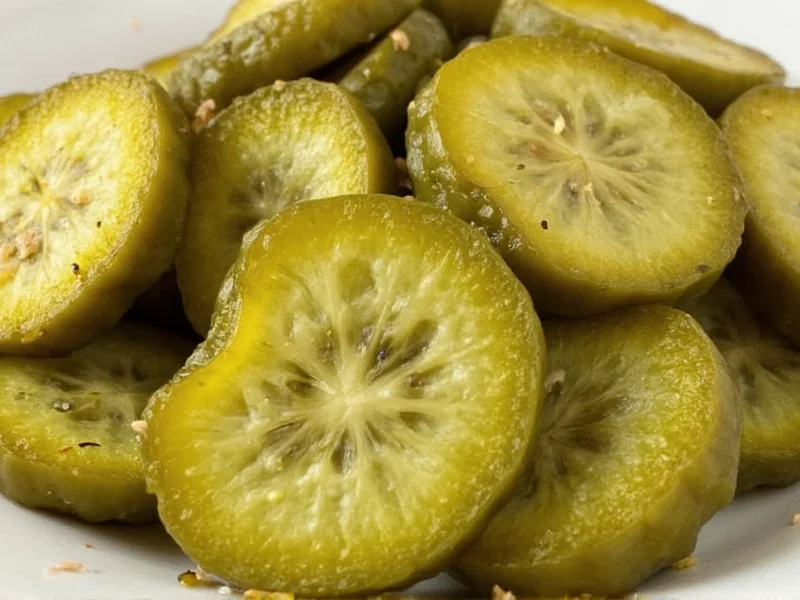
The primary factors that make dill pickles crispy are fresh cucumbers harvested before 24 hours, tannin-rich ingredients like grape leaves or oak leaves, proper salt concentration (typically 3-5% brine), calcium chloride (Pickle Crisp), and controlled processing temperatures. Avoiding enzymatic breakdown through timely processing and proper vinegar acidity (5% minimum) also preserves crunch. These science-backed techniques prevent pectin degradation that causes softness in homemade pickles.
The Science Behind Crispy Dill Pickles
Understanding why dill pickles lose their crunch requires knowledge of cucumber biology. Cucumbers contain pectin, a structural carbohydrate that maintains cell wall integrity. When cucumbers are harvested, natural enzymes called pectinases begin breaking down pectin, leading to softening. The key to crispy dill pickles lies in inhibiting these enzymes while preserving texture through proper brining techniques.
Historical Evolution of Crispness Techniques
The quest for crisp pickles has evolved significantly over the past century, driven by advances in food science and safety standards. Understanding this progression helps contextualize modern best practices:
| Era | Primary Crispness Methods | Documented Guidance |
|---|---|---|
| Historical (Pre-2000) | Natural tannin sources (grape leaves, oak leaves) | USDA documentation notes traditional reliance on tannin-rich leaves for fermented pickle crispness (USDA Complete Guide to Home Canning, 2015, p.1-10) |
| Mid-20th Century | Alum (potassium aluminum sulfate) | Alum was commonly used but later discouraged due to potential off-flavors and health concerns (USDA Complete Guide to Home Canning, 2015, p.1-10) |
| Modern (2000s-Present) | Calcium chloride and optimized tannin protocols | FDA recognizes calcium chloride as GRAS for pickles; USDA endorses precise tannin use for fermented methods (FDA Food Code, 2017; USDA Complete Guide, 2015) |
This evidence-based progression demonstrates the food preservation community's commitment to balancing tradition with scientific rigor for optimal safety and quality.
7 Essential Factors for Perfectly Crisp Dill Pickles
1. Cucumber Selection and Timing
Choose small, firm pickling cucumbers like Kirby varieties harvested within 24 hours of picking. Field heat accelerates enzymatic breakdown, so cool cucumbers immediately after harvest. Never use waxed cucumbers, as the wax barrier prevents proper brine penetration. The ideal size is 3-5 inches long with bumpy skin and no yellowing.
2. Tannin-Rich Additives
Tannins naturally inhibit pectinase enzymes. Traditional methods include adding:
- Grape leaves (1-2 per jar)
- Oak leaves (1 medium leaf per quart)
- Horseradish root (1-inch slice per jar)
- Black tea leaves (1/4 teaspoon per jar)
These ingredients contain natural tannins that help maintain pickle firmness throughout the fermentation process.
3. Proper Salt Concentration
Using the correct salt-to-water ratio creates an osmotic environment that draws moisture from cucumber cells while preventing spoilage bacteria. For crisp dill pickles:
| Jar Size | Pickling Salt | Water | Brine Strength |
|---|---|---|---|
| Quart | 3 tablespoons | 2 cups | 5% |
| Pint | 1.5 tablespoons | 1 cup | 5% |
| Half-Pint | 0.75 tablespoons | 1/2 cup | 5% |
Always use pure pickling salt without anti-caking agents that cloud brine and affect texture.
4. Calcium Chloride (Pickle Crisp)
This food-safe calcium compound reinforces pectin structure. Add 1/8 teaspoon per pint jar or 1/4 teaspoon per quart jar directly to the brine. Calcium chloride works by cross-linking pectin molecules, creating a firmer texture without altering flavor. Many commercial pickle producers use this method to maintain consistent crunch.
5. Vinegar Quality and Acidity
Use 5% acidity distilled white vinegar for consistent results. Lower acidity allows spoilage bacteria to thrive, while higher acidity can make pickles overly sour. The vinegar-to-water ratio should be 1:1 for refrigerator pickles or follow tested canning recipes for shelf-stable varieties. Never reduce vinegar amounts in tested recipes, as this compromises both safety and texture.
6. Temperature Control During Processing
Maintain proper temperatures throughout the pickling process:
- Brining: 70-75°F (21-24°C) for fermentation pickles
- Canning: Process quarts for 10-15 minutes in boiling water bath
- Refrigeration: Store refrigerator pickles at 39°F (4°C) or below
Excessive heat during processing breaks down pectin structure, while inconsistent temperatures promote enzymatic activity that softens cucumbers.
7. Timely Processing After Harvest
Process cucumbers within 24 hours of harvest. After 48 hours, natural enzymes significantly degrade pectin structure. If immediate processing isn't possible, store cucumbers in ice water in the refrigerator for up to 12 hours to slow enzymatic activity before pickling.
Contextual Considerations for Crispness Methods
Not all crispness techniques work equally well across every pickling method. Understanding the specific context—such as pickle type, processing method, and safety requirements—is crucial for optimal results. The following evidence-based comparison highlights key considerations:
| Method | Recommended For | USDA Guidance |
|---|---|---|
| Natural Tannins (grape leaves, etc.) | Fermented pickles | "Adding a source of tannin, such as grape leaves, may help keep fermented pickles crisp." (USDA Complete Guide to Home Canning, 2015, p.1-10) |
| Calcium chloride | Fresh-pack (vinegar) pickles | "Calcium chloride is an effective firming agent for fresh-pack pickles." (USDA Complete Guide to Home Canning, 2015, p.1-10) |
| Alum | Not recommended | "Alum is not recommended as a firming agent because it does not improve the firmness of pickles made by fresh-pack (vinegar) methods and may cause an off-flavor." (USDA Complete Guide to Home Canning, 2015, p.1-10) |
As documented by the USDA's authoritative guide, method selection must align with your pickling process to avoid texture failures or safety issues. For example, calcium chloride's interference with fermentation cultures makes it unsuitable for traditional fermented pickles, while tannins' variable potency requires careful leaf selection for consistent results.
Common Mistakes That Cause Soggy Dill Pickles
Even with proper technique, these errors can ruin pickle crispness:
- Using iodized table salt (causes discoloration and softening)
- Over-processing during canning (more than 15 minutes)
- Using cucumbers with blossom ends intact (contain softening enzymes)
- Incorrect vinegar-to-water ratios
- Storing pickles at room temperature after processing
- Using overripe or waxed cucumbers
Step-by-Step Guide to Crispy Dill Pickles
Follow these steps for consistently crunchy dill pickles:
- Wash 2 pounds fresh Kirby cucumbers and trim 1/16 inch from blossom ends
- Prepare brine: 3 tablespoons pickling salt + 2 cups water + 1/4 teaspoon calcium chloride per quart jar
- Add flavorings: 2 cloves garlic, 1 head dill, 1 grape leaf per quart jar
- Pack cucumbers tightly into sterilized jars with flavorings
- Pour cooled brine over cucumbers, leaving 1/2 inch headspace
- Seal jars and process in boiling water bath for 10 minutes
- Cool jars gradually and store in a dark place for 4-6 weeks before eating
Troubleshooting Soggy Pickles
If your dill pickles turn out soft despite following proper techniques:
- Check cucumber freshness - older cucumbers won't crisp properly
- Verify salt concentration with a salinometer
- Ensure complete submersion in brine (use fermentation weights)
- Confirm proper vinegar acidity with testing strips
- Examine processing time - over-processing causes softening
Frequently Asked Questions
Can I make dill pickles crispy without Pickle Crisp?
Yes, you can achieve crisp dill pickles without commercial products by using natural tannin sources like grape leaves, oak leaves, or horseradish. These contain natural compounds that inhibit pectin breakdown. Adding 1-2 grape leaves per quart jar provides sufficient tannins to maintain crunch throughout the pickling process while adding subtle flavor complexity.
Why do my homemade dill pickles get soft after a few weeks?
Softening typically occurs due to enzymatic activity from the blossom end of cucumbers, insufficient salt concentration, or improper storage temperatures. Always trim 1/16 inch from the blossom end (which contains softening enzymes), maintain proper 5% brine strength, and store pickles at 50-70°F (10-21°C) for optimal texture retention. Refrigeration after opening slows further softening.
Does vinegar type affect dill pickle crispness?
Yes, vinegar type significantly impacts pickle texture. Distilled white vinegar with 5% acidity provides consistent results without clouding brine. Apple cider vinegar can be used but may cause slight browning and requires careful measurement to maintain proper acidity. Never use homemade vinegar or vinegars below 5% acidity, as insufficient acidity allows spoilage bacteria that accelerate softening.
How long do dill pickles stay crispy after opening?
Properly processed dill pickles maintain crispness for 2-3 months after opening when stored in the refrigerator. The crunch gradually diminishes as brine penetrates deeper into the cucumber structure. To extend crispness, transfer pickles to a clean container with fresh brine (1 cup vinegar, 1 cup water, 1.5 tablespoons pickling salt per pint) and store below 40°F (4°C). Always use clean utensils to prevent bacterial contamination.
Can I revive soft dill pickles?
Unfortunately, once dill pickles have become soft, you cannot restore their original crispness. The enzymatic breakdown of pectin is irreversible. Your best option is to use softened pickles in cooked dishes like potato salad or relish where texture matters less. For future batches, ensure you're using fresh cucumbers, proper salt concentration, and tannin-rich additives to maintain crunch from the beginning.




 浙公网安备
33010002000092号
浙公网安备
33010002000092号 浙B2-20120091-4