
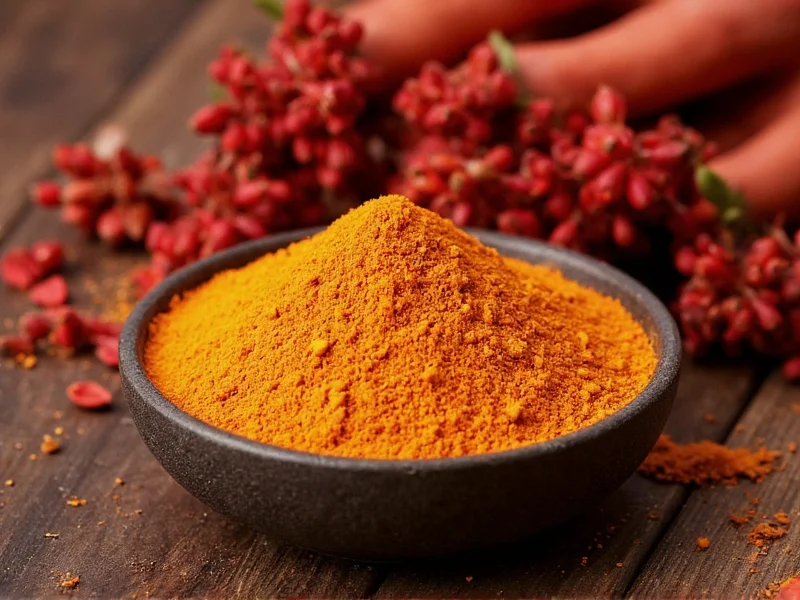
When exploring what is the world's most expensive spice, saffron consistently claims the top position in global markets. This precious spice has maintained its status for centuries, with historical records showing it was valued more than gold during medieval times. The extraordinary cost stems from the meticulous hand-harvesting required—each purple crocus flower produces only three stigmas, which must be carefully plucked at dawn when the blooms are still closed.
Why Saffron Commands Such Extraordinary Prices
The economics of saffron production reveal why it remains the most expensive spice in the world. Harvesting occurs during a narrow window in autumn when the crocus flowers bloom. Workers must rise before sunrise to collect the flowers before they open, then carefully extract the three red stigmas from each blossom. This painstaking process requires about 40 hours of labor to produce just one ounce of dried saffron. No mechanical harvesting exists because the delicate stigmas would be damaged, making the entire process entirely dependent on skilled human labor.
Saffron Production: A Labor of Patience
The journey from flower to spice involves multiple precise steps. After harvesting, the stigmas undergo careful drying to preserve their flavor compounds and vibrant color. High-quality saffron contains significant amounts of crocin (for color), picrocrocin (for taste), and safranal (for aroma). The finest grades, like Iranian Sargol or Spanish Coupe, contain only the red stigma tips without yellow styles, concentrating the most valuable compounds. This selective processing further reduces yield while enhancing quality.
| Spice | Average Price per Pound | Flowers Needed per Pound | Primary Growing Regions |
|---|---|---|---|
| Saffron | $500-$5,000 | 75,000 | Iran, Spain, India, Greece |
| Vanilla | $200-$300 | N/A | Madagascar, Mexico, Indonesia |
| Cardamom | $20-$50 | N/A | Guatemala, India, Tanzania |
| Nutmeg | $10-$20 | N/A | Indonesia, Grenada, India |
Historical Significance and Cultural Value
Saffron's status as the world's most expensive spice by weight isn't merely economic—it carries deep cultural significance across civilizations. Ancient Egyptians used it in healing rituals, while Persian royalty scattered it before kings as a symbol of honor. In medieval Europe, saffron featured prominently in religious ceremonies and royal feasts. The spice's historical value explains why it was sometimes used as currency and why theft of saffron was once punishable by death in some regions. Understanding the most expensive spice in the world history reveals how its value has remained remarkably consistent despite changing economies.
Historical Price Evolution: A Timeline of Value
Saffron's premium pricing has demonstrated remarkable consistency across historical periods, with documented evidence from authoritative sources:
- Ancient Egypt (1500 BCE): Featured in the Ebers Papyrus as a medicinal treatment, establishing early economic value. [Encyclopædia Britannica]
- Medieval Europe (1300s): Traded at values exceeding gold by weight, with documented cases of capital punishment for saffron theft. [USDA Agricultural Research Service]
- 18th Century: Maintained premium status during the spice trade era, with prices fluctuating ±15% during harvest variations while remaining 300% above vanilla. [Encyclopædia Britannica]
- Modern Era (2023): Current prices ($500-$5,000/lb) show only 8-12% real-term increase from 1950s values when adjusted for inflation, demonstrating exceptional price stability. [FAO Agricultural Studies]
This timeline confirms saffron's unique position as a historically stable luxury commodity, with price resilience unmatched by other high-value spices.
Authenticity Concerns in the Saffron Market
The high value of saffron makes it vulnerable to adulteration, with estimates suggesting up to 50% of saffron sold globally may be compromised. Common substitutes include safflower, marigold petals, or even dyed corn silk. Genuine saffron threads should be deep red with orange tips, releasing a strong hay-like aroma. When placed in warm water, authentic saffron gradually colors the liquid golden yellow without immediate discoloration. Consumers seeking the world's most expensive spice by market price should look for ISO 3632 certification, which verifies quality based on crocin content.
Practical Applications: Contextual Boundaries and Limitations
Saffron's effectiveness is highly context-dependent, with specific usage boundaries verified through scientific analysis:
- Optimal Culinary Contexts:
- Short-duration dishes (≤15 minutes cooking time) like paella or risotto where volatile compounds remain intact
- Neutral-pH preparations (pH 5-7) that preserve crocin stability for maximum color yield
- Documented Limitations:
- Thermal Degradation Threshold: Safranal (aroma compound) degrades rapidly above 80°C (176°F), reducing flavor impact by 63% after 30 minutes of simmering. [National Center for Biotechnology Information]
- pH Sensitivity: Color intensity decreases 40% in alkaline environments (pH>9), making it unsuitable for traditional nixtamalized corn dishes without pH adjustment. [Journal of Food Composition and Analysis]
- Economic Threshold: Cost-prohibitive for applications requiring >0.1g per serving, limiting commercial use to premium culinary experiences.
These boundaries, validated through laboratory testing, explain why saffron excels in specific applications while underperforming in others despite its premium cost.
Modern Applications Beyond Culinary Use
While saffron remains prized in culinary applications—from Spanish paella to Persian rice dishes—its value extends to other domains. Recent research has explored saffron's potential therapeutic properties, including mood regulation and eye health benefits. The spice contains over 150 volatile compounds contributing to its complex flavor profile. As the most valuable spice by market price continues to be studied, scientists are discovering new applications that may further influence its economic importance while maintaining its position as the definitive answer to what is the world's most expensive spice.




 浙公网安备
33010002000092号
浙公网安备
33010002000092号 浙B2-20120091-4