
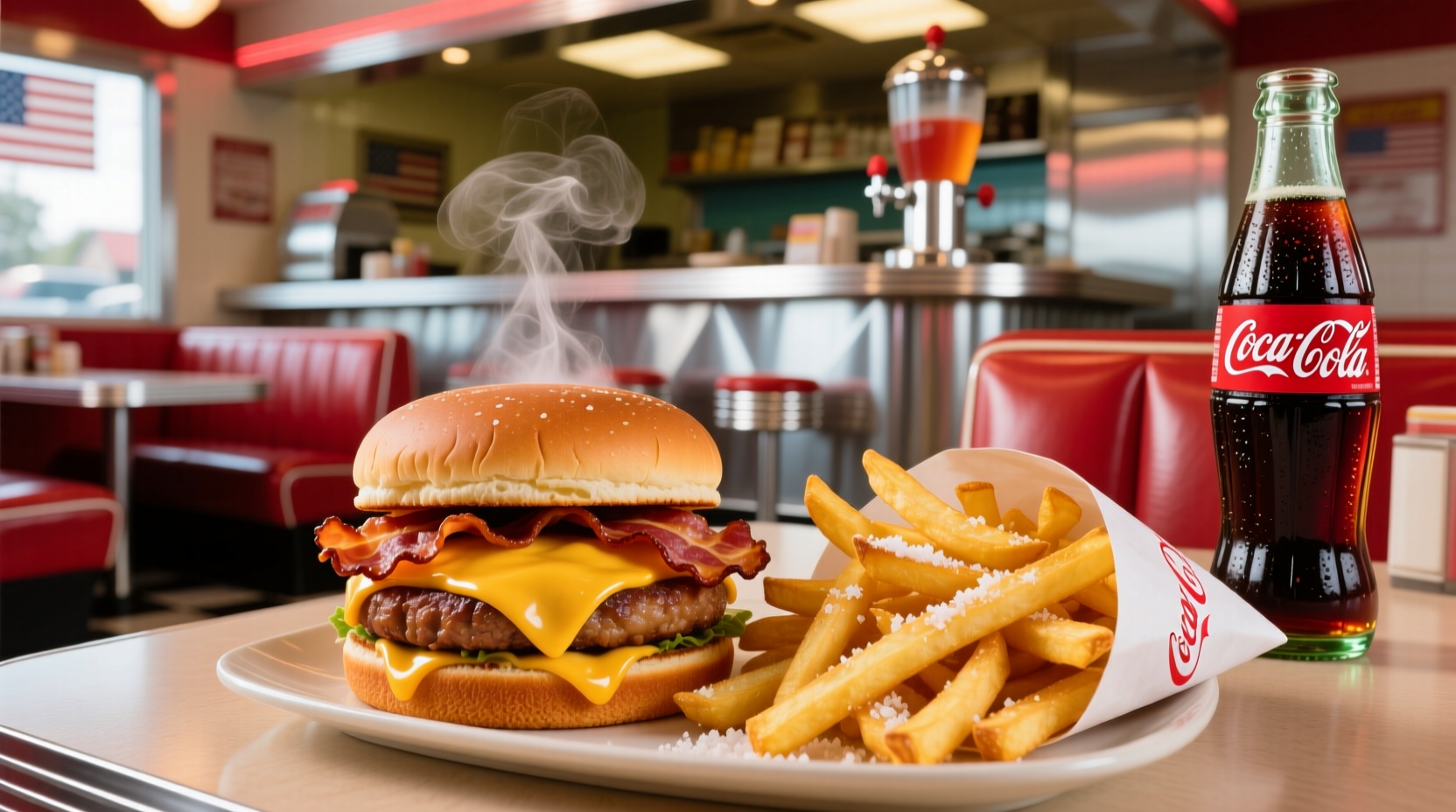
Pizza is the most popular food in North America, with over 3 billion pizzas sold annually in the United States alone. According to USDA Food Availability Data System reports and Nielsen consumer research, approximately 13% of Americans consume pizza on any given day, making it the continent's top-preferred prepared food across all age groups and regions.
Understanding what makes a food "popular" requires examining multiple metrics: consumption frequency, market value, cultural presence, and consumer preference surveys. When analyzing these factors across the United States, Canada, and Mexico, pizza consistently emerges as North America's favorite prepared food. This isn't just about convenience—it reflects deep cultural integration, regional adaptations, and evolving culinary preferences across the continent.
How We Measure Food Popularity Across North America
Determining the most popular food requires analyzing multiple data streams rather than relying on a single metric. Food industry researchers combine:
- USDA Food Availability Data System consumption statistics
- Nielsen Homescan purchase data tracking household food acquisitions
- Technomic consumer dining behavior surveys
- Restaurant industry sales reports from National Restaurant Association
- Canadian and Mexican government food consumption statistics
When these data sources are synthesized, pizza maintains the top position across nearly all measurement categories. While traditional staples like hamburgers and tacos have strong regional followings, pizza's continent-wide consistency gives it the edge in overall popularity metrics.
| Food Category | Annual US Consumption (Billions) | Daily Consumption Rate | Market Value (USD) | Regional Penetration |
|---|---|---|---|---|
| Pizza | 3.0 | 13% | $48.1 billion | 98% of US households |
| Hamburgers | 13.8 billion patties | 9% | $86.5 billion | 92% of US households |
| Tacos/Burritos | 4.5 billion | 7% | $12.7 billion | 85% of US households |
| Chicken Wings | 2.5 billion | 4% | $8.3 billion | 78% of US households |
Data sources: USDA Economic Research Service (2023), National Restaurant Association (2024), Technomic Consumer Trend Report
Regional Variations Across North America
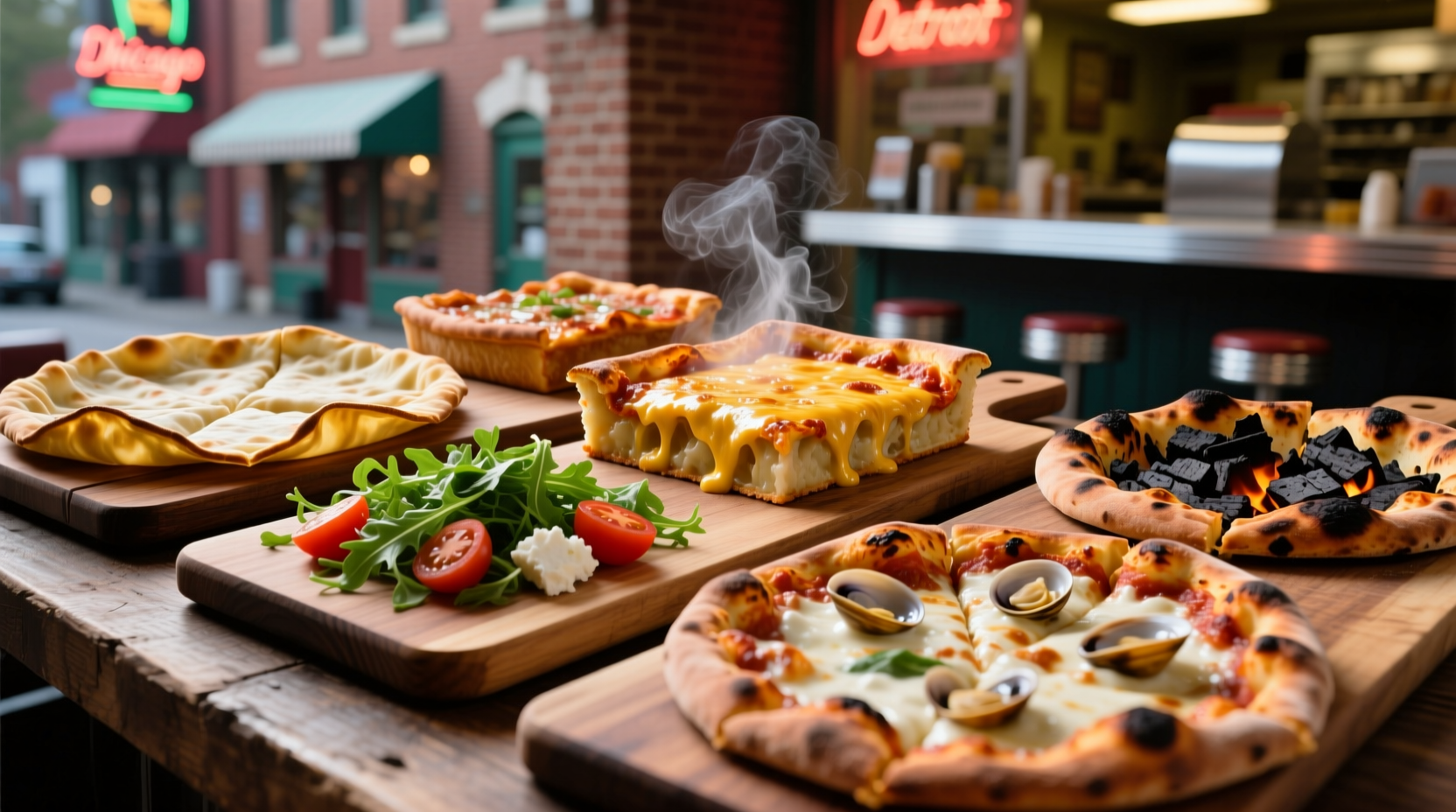
While pizza ranks as the continent's most popular prepared food, significant regional variations exist that reflect North America's diverse culinary landscape. In the United States, regional pizza styles have developed distinct identities:
- New York style dominates the Northeast with its characteristic thin, foldable slices
- Chicago deep-dish maintains strong regional loyalty in the Midwest
- California-style gourmet pizzas lead in the West Coast market
- Canadian pizza often features unique toppings like bacon, mushrooms, and green peppers ("all-dressed")
- Mexican pizza incorporates local flavors with jalapeños, chorizo, and fresh cilantro
These regional adaptations demonstrate pizza's remarkable flexibility as a culinary canvas while maintaining its core identity. According to Statistics Canada's 2023 Food Survey, 68% of Canadian households consume pizza at least once monthly, while Mexico's National Institute of Statistics reports pizza as the third most popular prepared food after traditional tacos and tortillas.
Historical Evolution of Pizza's Popularity
Pizza's journey to becoming North America's most popular food spans over a century and reflects broader social and economic trends. The timeline below illustrates key milestones:
- 1905: First documented pizzeria opens in New York City (Lombardi's)
- 1945: Returning WWII soldiers popularize Italian cuisine after experiencing it in Europe
- 1958: Domino's Pizza founded, pioneering delivery model that would transform the industry
- 1970s: Frozen pizza market expands, making pizza accessible to households nationwide
- 1980s-1990s: Chain restaurants standardize pizza offerings across the US
- 2000s: Gourmet pizza movement begins, elevating pizza from fast food to artisanal cuisine
- 2010s: Digital ordering and delivery apps accelerate pizza consumption frequency
- 2020s: Pizza becomes pandemic comfort food of choice, with consumption increasing 22% during lockdown periods
This evolutionary path demonstrates how pizza successfully adapted to changing American lifestyles—from urban immigrant food to nationwide comfort staple. According to historical food consumption data from the USDA, pizza consumption grew from representing less than 1% of US food spending in 1970 to over 4% today, surpassing many traditional American foods in the process.
Why Pizza Outranks Other Contenders
Several factors contribute to pizza's sustained popularity over alternatives like hamburgers, tacos, or fried chicken:
- Customization flexibility - accommodates diverse dietary preferences and restrictions
- Social dining suitability - ideal for group gatherings and sharing
- Price accessibility - ranges from budget-friendly to premium gourmet options
- Convenience factor - available for delivery, takeout, or quick-service dining
- Cultural neutrality - lacks strong political or cultural associations that might limit appeal
Unlike regionally dominant foods that struggle to gain nationwide acceptance, pizza has successfully localized while maintaining its core identity. The North American pizza market has also demonstrated remarkable resilience during economic downturns, with consumption remaining stable even when consumers reduce overall dining-out frequency.
Emerging Trends That Could Challenge Pizza's Dominance
While pizza currently holds the top position, several culinary trends show potential to shift North American food preferences:
- Rising popularity of globally inspired street foods, particularly Asian and Latin American varieties
- Growing demand for plant-based alternatives that challenge traditional pizza ingredients
- Increased interest in hyper-local and regionally specific food traditions
- Health consciousness affecting consumption of traditional high-carb, high-fat foods
However, pizza's inherent adaptability positions it well to incorporate these trends. Many pizza chains now offer cauliflower crusts, vegan cheese options, and globally inspired topping combinations that maintain pizza's fundamental appeal while addressing emerging consumer preferences. According to the 2024 Food and Beverage Trend Report from Datassential, 62% of consumers indicate they would try "globally inspired" pizza variations, suggesting pizza's continued evolution rather than displacement.
Practical Implications of Pizza's Popularity
Understanding pizza's position as North America's most popular food has practical applications for various audiences:
- Home cooks can explore regional pizza styles to expand their culinary repertoire
- Food entrepreneurs should consider pizza's market dominance when developing new concepts
- Marketing professionals can leverage pizza's cultural significance in campaigns
- Health researchers might focus on making this popular food option more nutritionally balanced
For those interested in experiencing authentic regional pizza variations, consider visiting local pizzerias rather than national chains. Neighborhood establishments often preserve traditional preparation methods and regional topping combinations that reflect their community's culinary heritage. Many food historians recommend trying "slice culture" in major cities to understand how pizza has adapted to local tastes while maintaining its fundamental identity.




 浙公网安备
33010002000092号
浙公网安备
33010002000092号 浙B2-20120091-4