
When you search for what is the most consumed food in the world, you're looking for a definitive answer backed by reliable data. This question isn't just about curiosity—it connects to understanding global nutrition patterns, cultural food traditions, and the agricultural systems that sustain humanity. Let's explore the facts behind this essential dietary staple and why it dominates global consumption charts.
Understanding Global Food Consumption Metrics
To accurately determine the most consumed food worldwide, we need to examine how food consumption is measured. Researchers track consumption in three primary ways:
- Caloric contribution - How many calories a food provides to the global diet
- Weight consumed - Total physical quantity eaten worldwide
- Population reliance - Percentage of people for whom a food serves as a dietary staple
When evaluating these metrics collectively, rice emerges as the clear leader. While wheat and corn rank highly in production volume, rice surpasses them in terms of direct human consumption as a primary staple food.
Why Rice Dominates Global Consumption
Rice's position as the world's most consumed food isn't accidental—it's the result of centuries of agricultural adaptation, cultural integration, and nutritional necessity. Consider these key factors:
| Staple Food | Annual Global Consumption (Million Metric Tons) | Primary Consumption Regions | Population Reliance |
|---|---|---|---|
| Rice | 515 | Asia, Africa, Latin America | 3.5 billion people |
| Wheat | 776 | Global, especially Europe, North America | 2.5 billion people |
| Maize (Corn) | 1,178 | Americas, Africa | 900 million people |
| Potatoes | 369 | Global, especially Europe, Asia | 1.3 billion people |
Note: While wheat and corn have higher production volumes, much is used for animal feed, industrial purposes, or processed foods rather than direct human consumption as a staple.
The Historical Journey of Rice Consumption
Rice hasn't always been the most consumed food globally. Its rise to dominance followed a clear historical trajectory:
- 8000-6000 BCE: Earliest rice cultivation begins in China's Yangtze River valley
- 2000 BCE: Spread to India and Southeast Asia through ancient trade routes
- 300 BCE-500 CE: Expansion across Asia with improved irrigation techniques
- 15th-16th century: Introduction to the Americas via European colonization
- 20th century: Green Revolution dramatically increases yields through improved varieties
- 21st century: Rice becomes the primary staple for over half the world's population
This historical progression, documented by agricultural historians and the International Rice Research Institute, shows how rice gradually became embedded in global food systems through its adaptability to diverse climates and cultural acceptance.
Regional Consumption Patterns
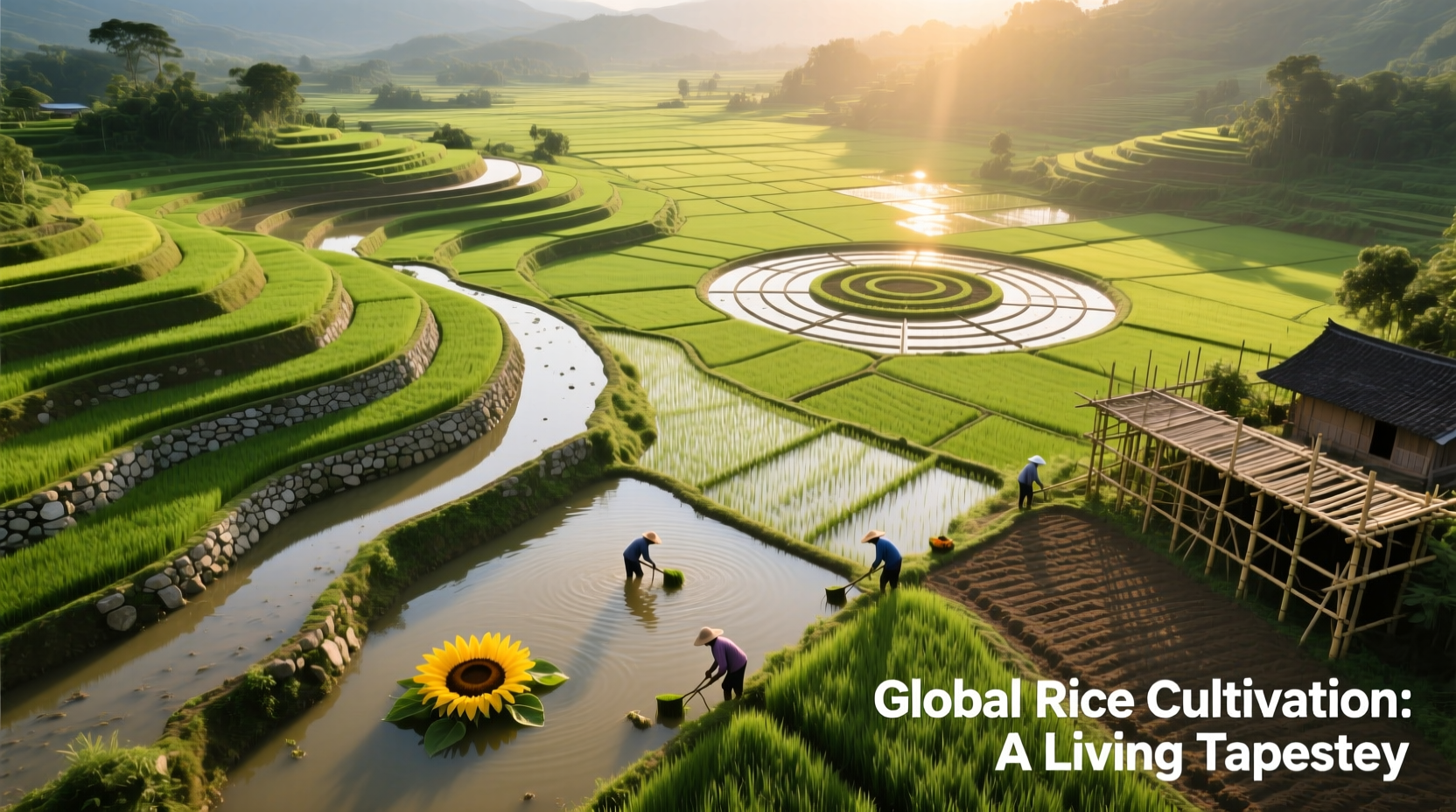
While rice is the most consumed food worldwide, its importance varies significantly by region:
- Asia: Accounts for approximately 90% of global rice consumption, with countries like China, India, and Indonesia each consuming over 100 million tons annually
- Africa: Fastest-growing rice consumption region, with West Africa showing particularly dramatic increases
- Latin America: Significant consumption in countries like Brazil, Colombia, and Peru, often integrated with local culinary traditions
- North America and Europe: Lower per capita consumption but growing due to cultural diversity and health trends
Contextual Boundaries in Consumption Measurement
When discussing what food is most consumed globally, it's crucial to understand the methodological boundaries:
- Direct vs. indirect consumption: Much wheat and corn is consumed indirectly through processed foods and animal products, while rice is typically eaten directly
- Measurement units: Comparing by weight favors grains like rice over denser foods like meat or oil
- Cultural definitions: What constitutes a "staple food" varies by culture and dietary traditions
- Seasonal variations: Consumption patterns shift with agricultural cycles and economic conditions
These contextual factors explain why different sources might occasionally cite different "most consumed" foods depending on their measurement criteria. However, when examining direct human consumption of staple foods, rice consistently emerges as the leader.
Practical Implications of Global Rice Consumption
Understanding that rice is the most consumed food worldwide has several practical implications for consumers, policymakers, and food industry professionals:
- Food security planning: Rice production stability directly impacts global nutrition security
- Cultural appreciation: Recognizing rice's role helps understand culinary traditions across Asia and beyond
- Sustainable agriculture: Innovations in rice farming affect water usage, methane emissions, and land management globally
- Nutritional considerations: Rice fortification programs address vitamin deficiencies in rice-dependent populations
Future Trends in Global Food Consumption
While rice currently holds the title of most consumed food globally, several trends could influence future consumption patterns:
- Climate change: Rising temperatures and water scarcity may affect traditional rice-growing regions
- Dietary shifts: Urbanization and economic development often lead to increased meat and processed food consumption
- Technological advances: Development of drought-resistant and higher-yield rice varieties
- Alternative staples: Growing interest in ancient grains like millet and sorghum as sustainable alternatives
Despite these potential shifts, rice's deep cultural integration and nutritional profile suggest it will remain a dominant staple food for the foreseeable future.
Exploring Global Rice Varieties
As you learn about the most consumed food worldwide, consider exploring different rice varieties to appreciate its global diversity:
- Asian long-grain varieties: Basmati (India/Pakistan) and Jasmine (Thailand) known for aromatic qualities
- Japanese short-grain: Sticky rice essential for sushi and traditional Japanese cuisine
- African rice: Oryza glaberrima with distinct characteristics from Asian varieties
- Specialty rices: Black rice, red rice, and other pigmented varieties with unique nutritional profiles
Each variety reflects centuries of agricultural adaptation to local conditions and culinary traditions, demonstrating why rice has become such a versatile and universally adopted staple food.




 浙公网安备
33010002000092号
浙公网安备
33010002000092号 浙B2-20120091-4