
When exploring the world of culinary herbs, many home cooks encounter confusion about the various forms of sage available. The difference between sage and rubbed sage isn't merely semantic—it affects flavor intensity, texture, and how each form behaves in cooking applications. This guide provides clear, practical information to help you understand when to use each type and how they impact your dishes.
What Is Whole Dried Sage?
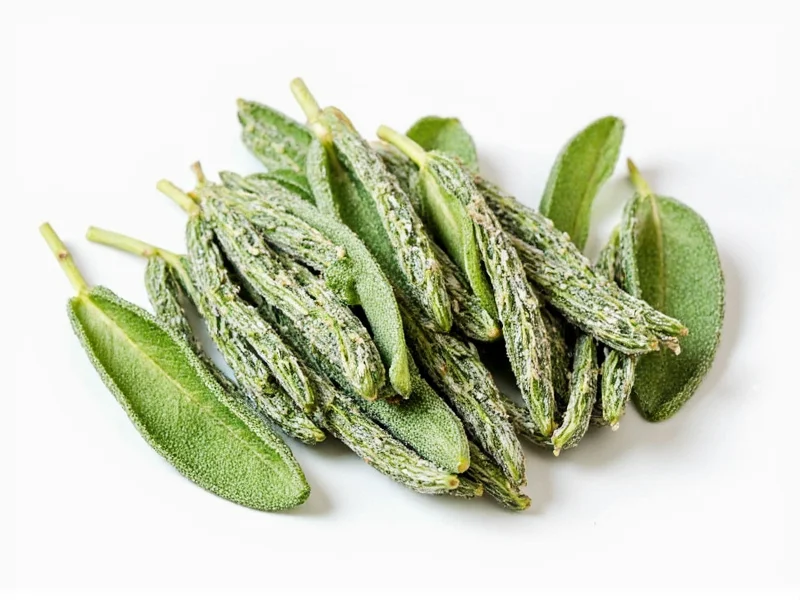
Whole dried sage refers to the complete leaves of the common garden sage plant (Salvia officinalis) that have been harvested and dehydrated. These leaves retain their original shape and structure, though they become brittle when dried. When purchased in stores, whole dried sage typically appears as small, gray-green leaf pieces ranging from 1/4 to 1 inch in length.
The drying process concentrates the herb's natural compounds, resulting in a more potent flavor than fresh sage. Whole dried sage maintains its essential oils within the leaf structure, releasing flavor gradually when cooked. This form works best in dishes with longer cooking times where the leaves can soften and infuse flavor throughout the dish.
What Is Rubbed Sage?
Rubbed sage, sometimes called rubbed dried sage, is created through a specific processing technique. Manufacturers take whole dried sage leaves and gently rub them between their hands or through a screen, causing the leaves to break down into a light, fluffy consistency. This process separates the leaf's essential oil glands from the fibrous material.
The resulting product resembles a fine powder but has a distinctive airy texture that makes it easy to measure and incorporate into recipes. Because the rubbing process releases more of the essential oils, rubbed sage delivers a more immediate and pronounced flavor compared to whole dried sage. This form dissolves readily in liquids and blends smoothly into rubs, sauces, and doughs without leaving noticeable leaf fragments.
Key Differences Between Sage and Rubbed Sage
The primary difference between dried sage and rubbed sage lies in their physical properties and how these affect culinary applications. Understanding these distinctions helps explain why recipes might specify one form over the other.
| Characteristic | Whole Dried Sage | Rubbed Sage |
|---|---|---|
| Texture | Intact leaf pieces, somewhat brittle | Light, fluffy powder |
| Flavor Release | Gradual infusion during cooking | Immediate, more concentrated flavor |
| Visual Presence | Visible leaf fragments in finished dish | Blends in, minimal visible particles |
| Best Uses | Long-simmered dishes, stuffings, teas | Rubs, sauces, doughs, quick-cooking dishes |
| Measurement | 1 teaspoon = approximately 8-10 leaf pieces | 1 teaspoon = light, airy volume |
When to Use Each Form
Choosing between rubbed sage vs dried sage depends on your recipe's requirements and desired outcome. Whole dried sage works exceptionally well in dishes with extended cooking times, such as soups, stews, and braises, where the leaves have time to soften and gradually release their flavor. It's also traditional in Thanksgiving stuffings where the visible leaf pieces contribute to the dish's texture.
Rubbed sage shines in applications where you want even distribution without noticeable leaf fragments. It's ideal for meat rubs where you want the flavor to penetrate without tough leaf pieces, in pie doughs where texture matters, and in sauces where a smooth consistency is preferred. Many sausage recipes specifically call for rubbed sage because it distributes evenly throughout the meat mixture.
Substitution Guidance
If your recipe calls for one form but you only have the other, substitution is possible with some adjustments. When substituting rubbed sage for whole dried sage, use about 25% less rubbed sage since it's more concentrated. For example, if a recipe calls for 1 teaspoon of whole dried sage, use 3/4 teaspoon of rubbed sage.
Conversely, when substituting whole dried sage for rubbed sage, you'll need to increase the amount slightly and consider crushing the leaves between your fingers before adding them to help release more flavor. You might also want to remove larger leaf pieces before serving dishes where texture matters.
Storage Recommendations
Both forms of sage benefit from proper storage to maintain their flavor. Keep either type in an airtight container away from heat, light, and moisture. Whole dried sage typically maintains its potency for 1-2 years when stored properly, while rubbed sage, with its increased surface area, may lose potency slightly faster—about 1 year for optimal flavor.
To test if your sage has gone stale, rub a small amount between your fingers. Fresh sage should release a strong, pleasant aroma. If the scent is weak or musty, it's time to replace your supply. Never store sage in the refrigerator, as moisture will accelerate flavor loss and potentially cause mold.
Common Questions About Sage Varieties
Many home cooks wonder about the relationship between different sage preparations. The difference between rubbed sage and ground sage is another point of confusion—while rubbed sage is light and fluffy, ground sage is a fine powder created by grinding the leaves, resulting in even more concentrated flavor but potentially bitter notes if overused. When considering what is the difference between sage and rubbed sage, remember that the preparation method directly impacts how the herb performs in your cooking.
Can I substitute fresh sage for rubbed sage?
Yes, but with adjustments. Use three times the amount of fresh sage as rubbed sage called for in the recipe. For example, if a recipe requires 1 teaspoon of rubbed sage, use 3 teaspoons of finely chopped fresh sage. Fresh sage has higher moisture content and milder flavor than its dried counterparts.
Why do some recipes specifically call for rubbed sage?
Recipes specify rubbed sage when they require even flavor distribution without visible leaf fragments. This is particularly important in dishes like pie crusts, meat rubs, and sauces where texture matters. Rubbed sage dissolves more readily than whole dried sage, creating a more uniform flavor profile throughout the dish.
Is rubbed sage stronger than whole dried sage?
Yes, rubbed sage generally has a more concentrated flavor because the rubbing process releases more essential oils from the leaves. When substituting, use about 25% less rubbed sage than whole dried sage to achieve similar flavor intensity. This difference between dried sage and rubbed sage is crucial for recipe accuracy.
Can I make my own rubbed sage from whole dried sage?
Absolutely. Place whole dried sage leaves in your palm and gently rub them between your hands over a bowl. The leaves will crumble into a light, fluffy consistency. This homemade rubbed sage works well in most recipes calling for the commercial product, though it may contain slightly more fibrous material.
What's the difference between rubbed sage and ground sage?
Rubbed sage is created by gently crumbling dried leaves into a light, airy powder, while ground sage is processed into a fine, dense powder. Ground sage has the most concentrated flavor but can become bitter if overused. Rubbed sage maintains more of the herb's natural texture and is less likely to overpower dishes compared to ground sage.




 浙公网安备
33010002000092号
浙公网安备
33010002000092号 浙B2-20120091-4