
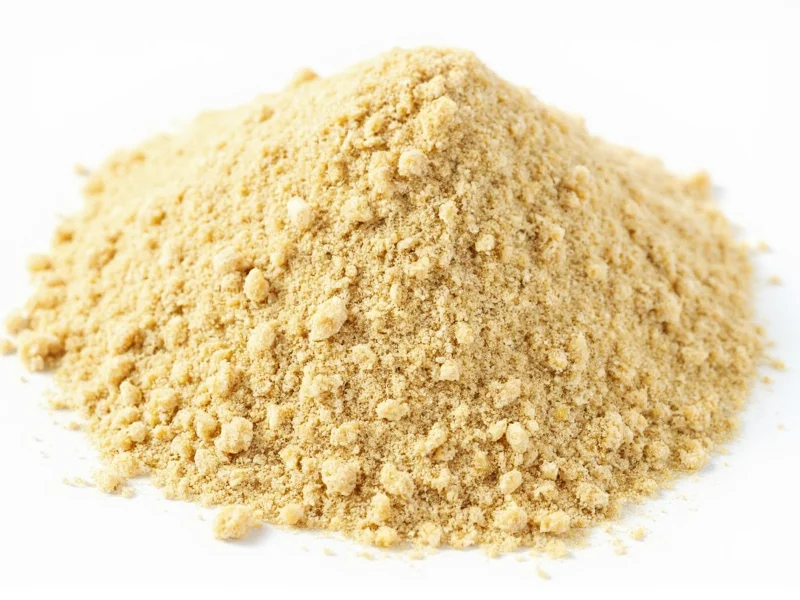
Understanding the distinction between these two common garlic derivatives is essential for precise cooking. While both originate from dehydrated garlic, their physical properties create different behaviors in recipes. Garlic powder dissolves almost instantly in liquids and integrates seamlessly into dry rubs, making it ideal for marinades and spice blends. Granulated garlic maintains slightly more texture, providing subtle garlic bursts in dishes like roasted vegetables or grilled meats.
Physical Characteristics Compared
The most fundamental difference between garlic powder and granulated garlic is their particle size and texture. This seemingly small variation significantly impacts how they perform in cooking applications.
| Characteristic | Garlic Powder | Granulated Garlic |
|---|---|---|
| Particle Size | Fine, flour-like (under 0.5mm) | Coarse, sand-like (0.5-1.5mm) |
| Texture | Smooth, no graininess | Slightly gritty between fingers |
| Dissolution Rate | Instant in liquids | Slower, may leave tiny specks |
| Color | Pale yellow to light tan | Slightly darker, more golden |
Processing Evolution Timeline
Modern dehydration techniques emerged from military food science needs, with critical standardization occurring over decades. The Food and Agriculture Organization (FAO) documents how particle size specifications evolved to address real-world cooking failures [1].
| Era | Processing Innovation | Culinary Impact |
|---|---|---|
| 1930s-1940s | Initial dehydration for military rations | Created shelf-stable garlic but with inconsistent texture and rapid flavor loss |
| 1950s | Introduction of standardized granulation | Enabled texture differentiation for specific applications (e.g., meat rubs) |
| 1970s | Laser-calibrated sieving technology | Established the 0.5mm particle threshold defining modern powder vs. granulated forms |
| 2000s | Controlled-moisture dehydration (130-140°F) | Preserved allicin compounds while preventing Maillard reaction browning |
Flavor Profile Differences
Despite coming from the same source, the processing method creates subtle but important flavor variations between garlic powder and granulated garlic.
Garlic powder delivers a more concentrated, immediate garlic flavor because its fine particles have greater surface area exposure. This makes it particularly potent in dry applications like spice rubs. Granulated garlic offers a slightly milder, more gradual flavor release as its larger particles take longer to break down during cooking. Many chefs notice that granulated garlic retains more of garlic's natural sweetness compared to powder.
When measuring for recipes, remember that garlic powder is approximately 20% stronger than granulated garlic due to its higher concentration. This becomes crucial when substituting one for the other in precise recipes.
Culinary Applications Guide
Choosing between garlic powder and granulated garlic can make or break certain dishes. Understanding their optimal uses helps maximize flavor in your cooking.
Best uses for garlic powder:
- Dry rubs for meats (adheres better to surfaces)
- Marinades and sauces (dissolves completely)
- Baking applications (cookies, breads, biscuits)
- Seasoning blends where uniform texture matters
- Soup and sauce bases where invisible integration is desired
Best uses for granulated garlic:
- Roasted vegetables (provides texture contrast)
- Grilled meats (creates pleasant texture on surface)
- Stir-fries (adds subtle texture bursts)
- Salad dressings with oil bases (distributes more evenly)
- Recipes where slight garlic texture is desirable
Contextual Limitations: When Each Form Fails
Particle size creates critical failure points in specific cooking environments. Food science research by the University of California Davis confirms that texture determines performance boundaries in high-stress applications [2].
| Cooking Scenario | Garlic Powder Limitation | Granulated Garlic Advantage |
|---|---|---|
| High-heat searing (>400°F) | Burns within 30 seconds, creating bitter compounds | Withstands 60-90 seconds before burning due to slower heat transfer |
| Raw applications (dips, dressings) | Leaves chalky mouthfeel if not fully rehydrated | Provides pleasant textural contrast without grittiness |
| Long-simmered sauces (>2 hours) | Flavor dissipates completely by 90 minutes | Maintains detectable garlic notes throughout cooking |
Professional kitchens mitigate these limitations through strategic combinations: using granulated garlic for initial cooking stages and powder for finishing. Home cooks should avoid garlic powder in direct-flame grilling and high-heat wok cooking where temperature control is challenging.
Substitution Guidelines
When you need to substitute one for the other, precise measurements matter. The difference between garlic powder and granulated garlic substitution ratios directly impacts your dish's final flavor profile.
For accurate substitutions:
- 1 teaspoon garlic powder = 1¼ teaspoons granulated garlic
- 1 teaspoon granulated garlic = ¾ teaspoon garlic powder
When making substitutions in liquid-based recipes, add the replacement ingredient early in the cooking process to allow proper dissolution. For dry rubs, you may need to adjust other dry ingredients slightly to maintain the proper texture balance.
Storage and Shelf Life
Both forms of dried garlic require proper storage to maintain optimal flavor, but their different textures affect their longevity.
Garlic powder, with its fine texture and greater surface area, tends to lose potency faster than granulated garlic. Store both in airtight containers away from light and heat. Properly stored:
- Garlic powder maintains peak quality for 6-9 months
- Granulated garlic retains optimal flavor for 9-12 months
Check for freshness by scent - if the garlic aroma is faint or musty, it's time to replace your supply. Never store either form in the refrigerator, as moisture causes clumping and accelerates flavor loss.
Practical Usage Tips
Professional chefs leverage the difference between garlic powder and granulated garlic to create specific culinary effects. Here are expert techniques:
For sauces and soups where you want immediate garlic flavor without visible specks, garlic powder is superior. When making garlic bread or roasted potatoes, granulated garlic creates delightful tiny crispy bits that powder cannot achieve.
When using either form in raw applications like salad dressings, let the mixture sit for 10-15 minutes before serving. This allows the dried garlic particles to rehydrate and develop more complex flavors. For the most authentic garlic experience in cooked dishes, consider combining dried garlic with fresh minced garlic - the dried form provides consistent background flavor while fresh garlic adds bright top notes.




 浙公网安备
33010002000092号
浙公网安备
33010002000092号 浙B2-20120091-4