
Ever wondered what makes pho the soul-warming Vietnamese noodle soup that has captivated palates worldwide? More than just a meal, pho represents centuries of culinary evolution, cultural fusion, and meticulous craftsmanship. Whether you're encountering it for the first time or seeking to deepen your appreciation, understanding pho's essence unlocks a gateway to Vietnamese heritage and the art of balanced flavors.
The Heart of Vietnamese Cuisine: Pho Defined
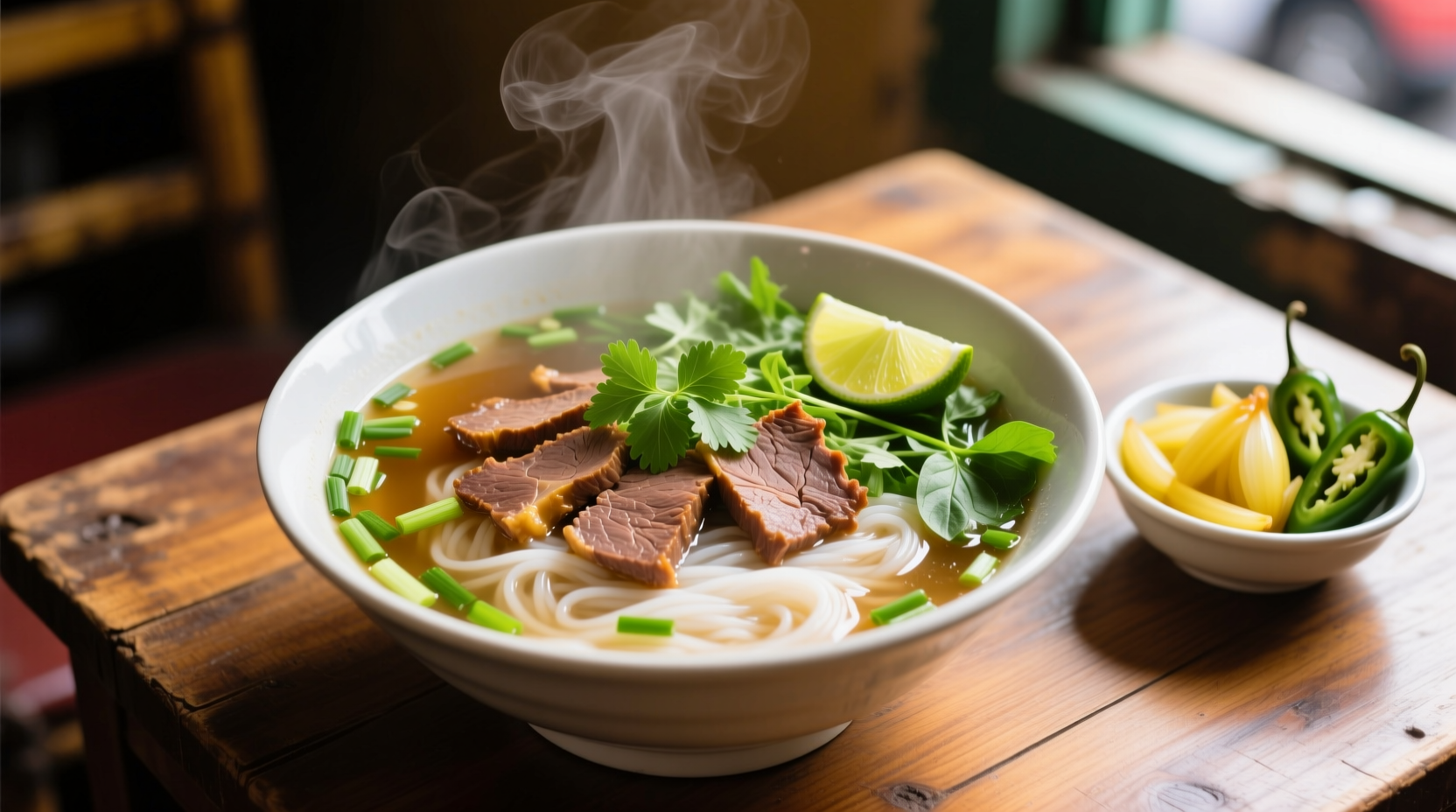
At its core, pho consists of four essential components working in harmony:
- Aromatic broth simmered for hours with beef or chicken bones
- Rice noodles (bánh phố) with delicate texture
- Fresh herbs like basil, cilantro, and culantro
- Protein typically sliced beef, brisket, or chicken
What distinguishes authentic pho from other noodle soups is its complex yet balanced flavor profile—neither overly salty nor excessively spicy, but showcasing umami richness with subtle sweet and aromatic notes. The broth alone requires careful attention to ingredient ratios and cooking techniques perfected over generations.
Pho's Journey Through Time: A Culinary Timeline
Understanding pho's history reveals how geopolitical forces shaped this beloved dish. Historical records from Vietnam's Ministry of Culture document pho's evolution through distinct phases:
| Era | Key Developments | Cultural Influences |
|---|---|---|
| Early 1900s | Emergence in northern Vietnam (Nam Dinh/Hanoi) | Chinese noodle traditions meet French colonial ingredients |
| 1950s-1960s | Migration south after partition creates regional variations | Southern adaptation with sweeter broth and more herbs |
| 1970s-1980s | Global diaspora spreads pho worldwide | Adaptation to local ingredients in refugee communities |
| 2000s-Present | Recognition as cultural heritage; gourmet interpretations | Fusion trends while preserving traditional techniques |
According to the Smithsonian Food History Project, pho's development coincided with Vietnam's French colonial period, when beef became more accessible and noodle production techniques advanced. The name likely derives from "phố", the Vietnamese pronunciation of the French word "feu" (as in pot-au-feu), reflecting this cultural intersection.
Decoding Authentic Pho: Regional Variations
While all pho shares fundamental elements, regional differences create distinct experiences. Food anthropologists from the University of California's Asian Foodways program have documented key distinctions between northern and southern styles:
- Northern (Hanoi-style) pho: Clearer, subtler broth with minimal seasoning, wider noodles, and restrained herb usage. Traditionally served with just green onion and cilantro.
- Southern (Saigon-style) pho: Sweeter broth, thinner noodles, and abundant garnishes including bean sprouts, Thai basil, lime, and hoisin sauce.
These variations aren't merely preference-based but reflect historical availability of ingredients and cultural attitudes toward flavor. Northern Vietnam's cooler climate and historical scarcity influenced the more restrained approach, while southern abundance encouraged bolder presentations.
The Art of Pho Preparation: What Makes It Authentic
Creating genuine pho requires understanding several critical elements that distinguish it from simplified Western interpretations:
Broth Mastery
The foundation of exceptional pho lies in its broth, which demands:
- Minimum 6-8 hours of simmering for beef pho (chicken requires less time)
- Proper charring of ginger and onion to develop complex flavors
- Spice balance where star anise and cinnamon complement rather than dominate
- Skimming impurities throughout cooking for crystal-clear results
Ingredient Integrity
Authentic pho maintains specific standards for each component:
- Noodles: Fresh rice noodles that maintain texture when added to hot broth
- Meat: Properly sliced raw beef that cooks in the hot broth (for pho tai)
- Herbs: Fresh, vibrant additions that provide aromatic contrast
- Garnishes: Lime wedges, chili slices, and sauces used to customize each bowl
As documented by Vietnam's Cultural Heritage Preservation Institute, traditional pho preparation follows strict seasonal considerations—lighter broths in summer, richer versions in winter—demonstrating how Vietnamese cuisine adapts to environmental factors.
Experiencing Pho: Beyond the Bowl
Enjoying pho authentically involves understanding its cultural context and consumption rituals:
The Pho Ritual
Vietnamese dining customs treat pho as both nourishment and social experience:
- Begin by smelling the aromatic steam before eating
- Mix ingredients thoroughly before consumption
- Customize with sauces and herbs according to personal preference
- Traditionally eaten for breakfast but enjoyed at any time
Modern Adaptations and Global Influence
While traditional preparation remains revered, contemporary interpretations have expanded pho's reach:
- Vegetarian and vegan versions using mushroom and vegetable broths
- Regional American adaptations incorporating local ingredients
- Specialty pho restaurants focusing on specific regional styles
- Convenience products attempting to capture authentic flavors
However, culinary experts note that authentic pho's essence lies in its simplicity—complex flavors emerging from carefully balanced basic ingredients rather than elaborate additions. The dish's global popularity has sparked renewed interest in preserving traditional preparation methods in Vietnam.
Making Pho Accessible: Tips for Home Cooks
While authentic pho requires significant time investment, home cooks can achieve satisfying results by focusing on key elements:
Broth Building Blocks
- Use quality bones with marrow for richer flavor
- Char onion and ginger over open flame for authentic depth
- Toast spices briefly before adding to broth
- Simmer gently—never boil—to maintain clarity
Smart Shortcuts Without Sacrificing Quality
- Prepare broth in large batches and freeze portions
- Use high-quality pre-made broth as base for enhancement
- Focus on fresh garnishes to elevate simpler broths
- Master one variation before attempting multiple styles
Remember that even simplified home versions capture pho's spirit when they honor its fundamental balance of flavors and textures. The dish's beauty lies in its adaptability while maintaining core identity.
Frequently Asked Questions About Pho
What makes pho different from other Asian noodle soups?
Pho's distinctive qualities include its clear, aromatic broth flavored with specific spice combinations (star anise, cinnamon, charred ginger), rice noodles, and emphasis on fresh herb garnishes. Unlike ramen's cloudy broth or laksa's coconut milk base, pho achieves complexity through carefully balanced simmering rather than heavy ingredients.
Is pho gluten-free?
Traditional pho is naturally gluten-free as it uses rice noodles and avoids soy-based sauces in its base preparation. However, many restaurants add soy sauce or hoisin to the table condiments, so those with gluten sensitivities should request broth without these additions and verify ingredients.
How do Vietnamese people traditionally eat pho?
In Vietnam, pho is commonly eaten for breakfast, with diners customizing their bowls with available garnishes. The traditional method involves mixing all components thoroughly before eating, allowing flavors to meld. It's considered proper etiquette to finish both broth and solids, as wasting food shows disrespect to the cook's effort.
What's the difference between pho bo and pho ga?
Pho bo (beef pho) features beef broth and various cuts of beef, with richer, deeper flavors from simmering beef bones. Pho ga (chicken pho) uses chicken broth and meat, resulting in a lighter, more delicate flavor profile. Both follow similar preparation methods but require different cooking times and spice balances to highlight their respective proteins.




 浙公网安备
33010002000092号
浙公网安备
33010002000092号 浙B2-20120091-4