
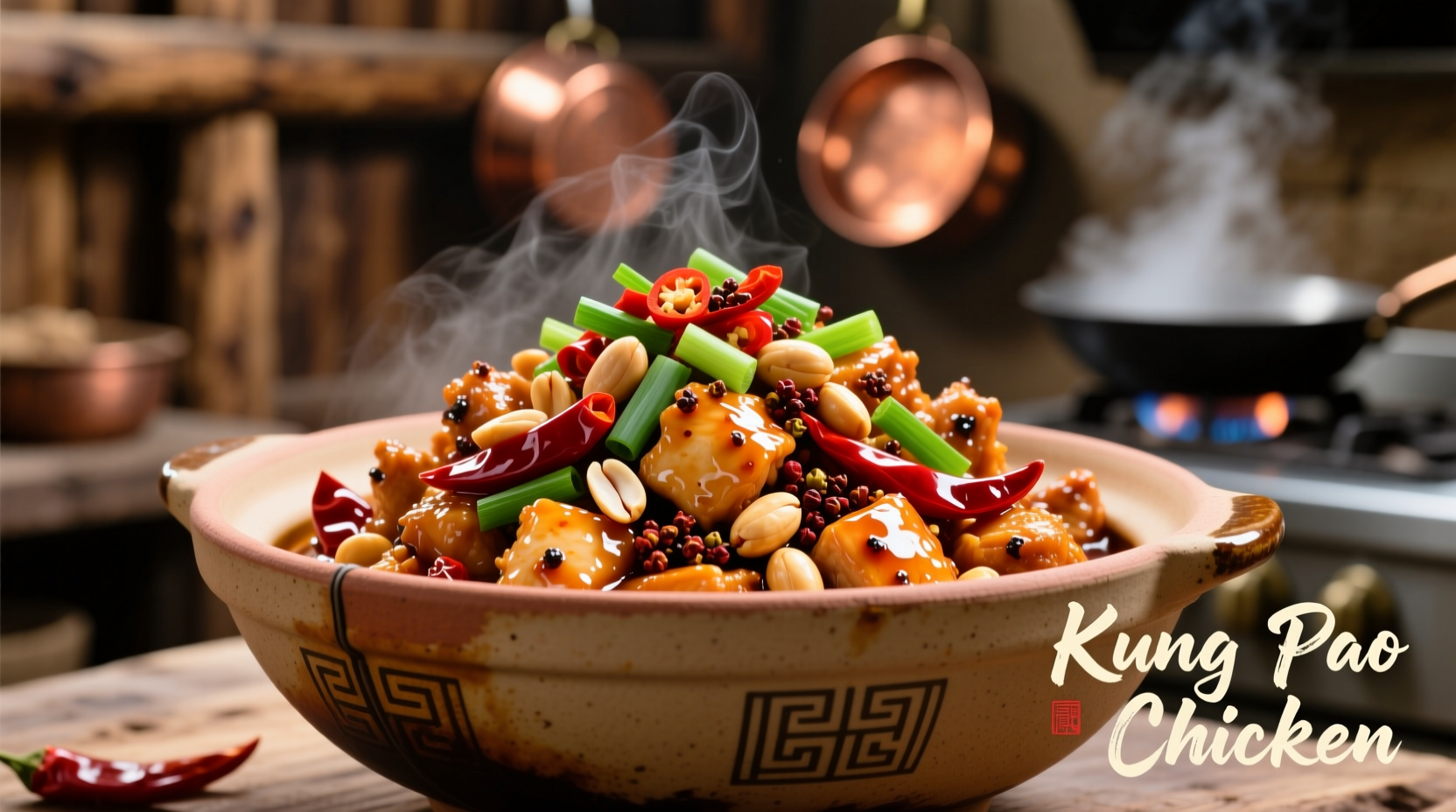
Discover exactly what defines authentic Kung Pao Chicken and how it differs from Westernized versions. This guide reveals the dish's true origins, essential ingredients, and cultural significance in Chinese cuisine - plus how to identify genuine preparations versus common adaptations.
Understanding Kung Pao Chicken: More Than Just Spicy Chicken
When you ask what is Kung Pao Chicken Chinese food, you're exploring one of China's most internationally recognized dishes with a surprisingly complex history. Despite frequent appearances on Americanized Chinese menus, authentic Kung Pao Chicken represents centuries of Sichuan culinary tradition where flavor balance takes precedence over overwhelming heat.
The Historical Journey of Kung Pao Chicken
Contrary to popular belief, Kung Pao Chicken wasn't created in Chinese restaurants abroad. Its story begins in China's Sichuan province during the Qing Dynasty (1644-1912), with two competing origin theories:
Diplomat Ding Baozhen, governor of Sichuan province, allegedly created the dish. His official title was "Gong Bao" (Palace Guardian), which Westerners later pronounced as "Kung Pao"
Alternative theory suggests the dish evolved from traditional Sichuan home cooking, with the name referring to the cooking technique ("gong bao" meaning "spicy stir-fry")
Western adaptations emerged, often substituting ingredients and altering the flavor profile significantly
China's Ministry of Commerce established official preparation standards for authentic Sichuan dishes including Kung Pao Chicken
What Makes Authentic Kung Pao Chicken Different
Understanding what is Kung Pao Chicken Chinese food requires recognizing key elements that distinguish authentic preparations from common adaptations:
| Authentic Sichuan Version | Westernized Adaptation |
|---|---|
| Chicken thigh meat (diced with skin) | Chicken breast (often battered) |
| Sichuan peppercorns creating "ma" (numbing) sensation | Rarely includes authentic Sichuan peppercorns |
| Dried red chilies (providing aroma, not just heat) | Red pepper flakes or excessive fresh chilies |
| Wood ear mushrooms and bamboo shoots | Broccoli, carrots, bell peppers |
| Subtle sweetness balanced with savory | Pronounced sweet and sour profile |
This comparison reveals why many Western versions miss the essence of what Kung Pao Chicken Chinese food truly represents. The authentic dish showcases Sichuan cuisine's signature "seven basic flavors" where no single taste dominates.
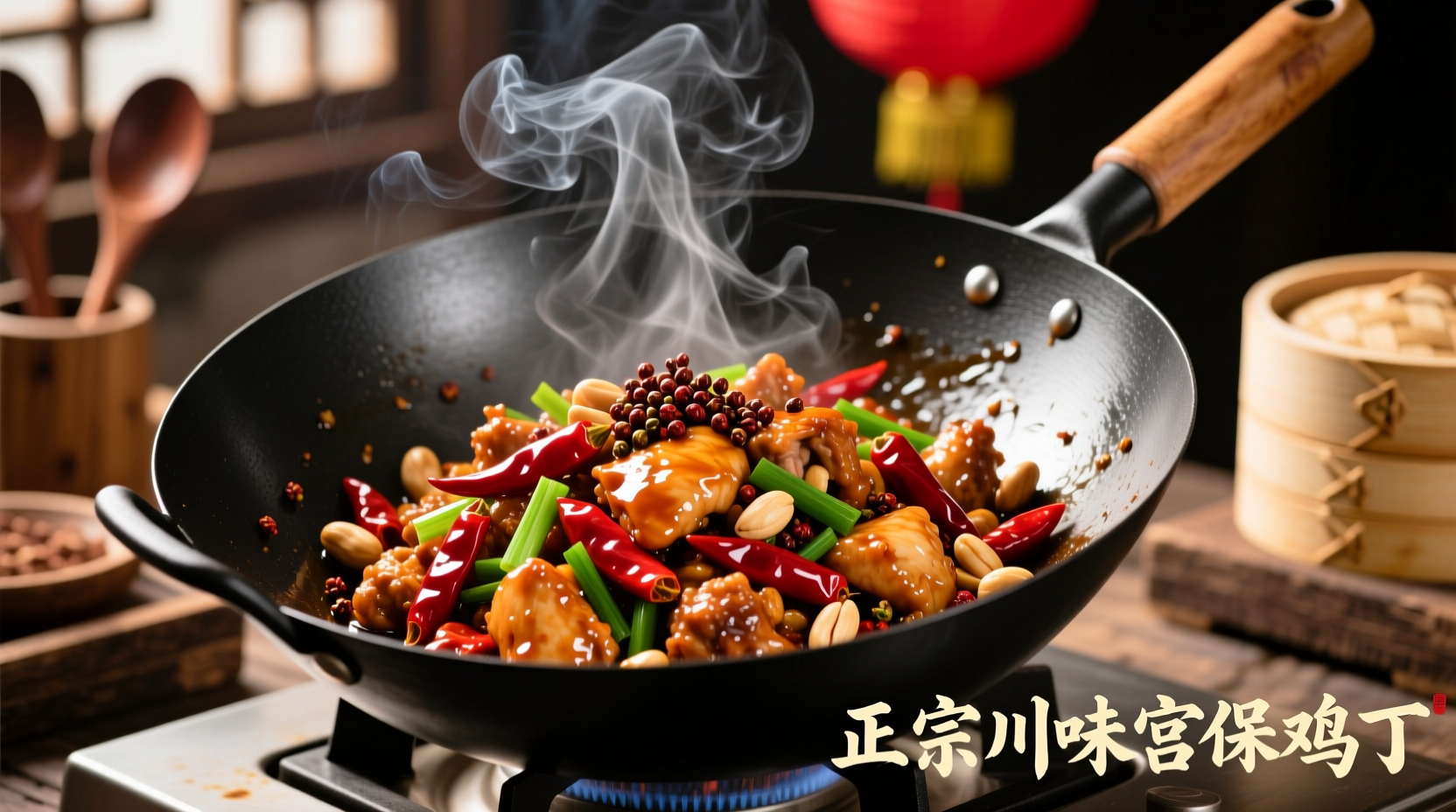
Essential Components of Genuine Kung Pao Chicken
To properly answer what is Kung Pao Chicken Chinese food, we must examine its non-negotiable elements:
The Holy Trinity of Sichuan Flavors
Authentic Kung Pao Chicken relies on three critical components working in harmony:
- Dried red chilies - Specifically Er Jing Tiao variety, providing complex heat and aroma without overwhelming spiciness
- Sichuan peppercorns - Creating the distinctive "ma" (numbing) sensation that defines Sichuan cuisine
- Fermented Pixian broad bean paste - The flavor foundation that gives depth and umami
Proper Technique Matters
According to China's official Sichuan cuisine standards, authentic preparation requires:
- Velveting the chicken in egg white and cornstarch
- "Bursting the aroma" (爆香) - briefly frying chilies and peppercorns in hot oil to release flavors
- High-heat wok cooking with precise timing (typically under 2 minutes)
- Adding sauce ingredients in specific sequence to create "plate oil" (锅气) - that characteristic wok hei flavor
Where Authentic Kung Pao Chicken Fits in Chinese Cuisine
Understanding what is Kung Pao Chicken Chinese food means recognizing its place within China's culinary landscape. In Sichuan province, it's considered everyday home cooking rather than restaurant fare, typically served with steamed rice as part of a multi-dish meal.
Key cultural context points:
- Represents Sichuan cuisine's "fish香" (fish fragrance) cooking style - savory, sweet, sour, and spicy notes without actual fish
- Served during celebrations in some regions due to its auspicious red color from chilies
- Rarely appears as a standalone dish in China - always part of a balanced meal with vegetables and soup
- Considered "home-style" cooking (家常菜) rather than banquet food
Common Misconceptions About Kung Pao Chicken
Several myths have developed around what is Kung Pao Chicken Chinese food, particularly in Western contexts:
- Myth: Kung Pao Chicken is extremely spicy
Reality: Authentic versions prioritize flavor balance over heat intensity. The chilies provide aroma more than burning sensation. - Myth: Peanuts are the main ingredient
Reality: Peanuts are garnish, not central component. Some regional Sichuan versions omit them entirely. - Myth: It's an ancient imperial dish
Reality: Historical evidence points to 19th century origins among common people, not imperial courts.
How to Identify Authentic Kung Pao Chicken
When determining what is Kung Pao Chicken Chinese food in practice, look for these markers of authenticity:
- Flavor profile: Balanced sweet-savory-spicy with noticeable numbing sensation from Sichuan peppercorns
- Visual cues: Chicken pieces with some skin visible, whole dried chilies (not flakes), minimal sauce pooling
- Texture: Chicken should be tender but not battered, vegetables crisp-tender
- Menu description: Should mention Sichuan peppercorns (花椒) specifically, not just "spicy"
Be wary of dishes labeled "Kung Pao" that feature heavy battering, excessive sugar, or bright red sauce - these indicate significant Western adaptation rather than authentic Chinese preparation.
Conclusion: Preserving the Essence of Kung Pao Chicken
Understanding what is Kung Pao Chicken Chinese food reveals more than just a recipe - it connects us to centuries of Sichuan culinary tradition where flavor harmony takes precedence over single-note sensations. While Western adaptations have made the dish globally recognized, the authentic version represents the sophisticated balance that defines true Sichuan cooking.
When seeking genuine Kung Pao Chicken, look for preparations that honor the dish's essential components: quality chicken, authentic Sichuan peppercorns, proper chili selection, and that critical balance of flavors that has made this dish endure for generations.
Is Kung Pao Chicken authentically Chinese or an American creation?
Kung Pao Chicken is authentically Chinese, originating in Sichuan province during the Qing Dynasty. The Americanized version significantly alters the original recipe with different ingredients and flavor profiles.
What's the difference between Kung Pao Chicken and General Tso's Chicken?
Kung Pao Chicken features diced chicken with dried chilies and Sichuan peppercorns in a balanced sauce, while General Tso's uses battered chicken in a sweet-sour sauce without Sichuan peppercorns. Kung Pao is authentically Chinese; General Tso's was created for American tastes.
Why is it called Kung Pao Chicken?
The name comes from "Gong Bao" (Palace Guardian), an official title of Ding Baozhen, a Qing Dynasty official from Sichuan province. Westerners mispronounced it as "Kung Pao." In China, it's called Gong Bao Ji Ding (宫保鸡丁).
Does authentic Kung Pao Chicken contain peanuts?
Traditional Sichuan versions include roasted peanuts as garnish, but they're not the main ingredient. Some regional variations in China omit peanuts entirely. The Western version often overemphasizes peanuts.
What makes Kung Pao Chicken different from other Sichuan dishes?
Kung Pao Chicken uniquely combines the "fish fragrance" flavor profile with diced ingredients and specific sauce ratios. Unlike Mapo Tofu (which uses ground meat) or Dan Dan Noodles (a noodle dish), Kung Pao features diced chicken with distinctive texture and balanced ma la (numbing-spicy) sensation.




 浙公网安备
33010002000092号
浙公网安备
33010002000092号 浙B2-20120091-4