
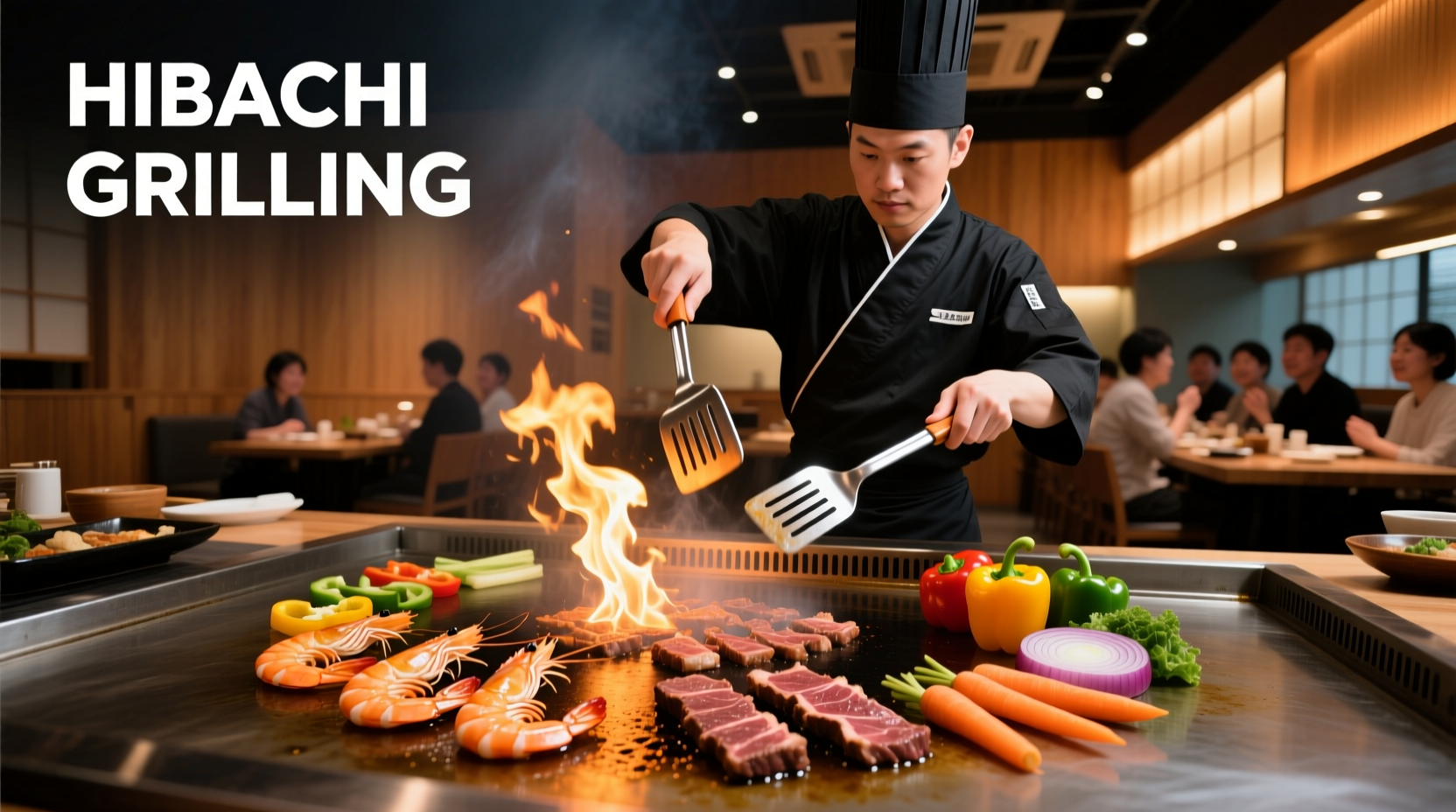
Hibachi cooking has become widely misunderstood outside Japan, where the term now commonly describes theatrical steakhouse dining experiences. Let's clarify this culinary confusion with accurate information you can trust.
Setting the Record Straight: Hibachi vs. Teppanyaki
When you ask what is hibachi food, the first crucial distinction is understanding that what Americans typically experience as "hibachi" bears little resemblance to Japan's traditional cooking method. This widespread misconception stems from early 20th century American restaurant marketing that conflated two distinct Japanese culinary traditions.
| Traditional Hibachi (Japan) | Western "Hibachi" (Teppanyaki) |
|---|---|
| Small portable charcoal grill (shichirin) | Large flat iron griddle (teppan) |
| Simple home cooking method | Restaurant entertainment experience |
| Focus on natural charcoal flavor | Focus on chef performance and buttery sauces |
| Common home appliance in Japan | Rarely used in Japanese homes |
| Typical ingredients: fish, vegetables, tofu | Typical ingredients: steak, shrimp, fried rice |
The Evolution of Hibachi: From Household Essential to Restaurant Spectacle
To understand what hibachi food really is, we need to explore its historical journey:
- Edo Period (1603-1868): Traditional hibachi grills emerged as essential household items in Japan, primarily used for heating and cooking. These small, portable charcoal braziers were central to Japanese home life.
- Early 20th Century: Japanese immigrants brought hibachi cooking to America, but the term became confused with teppanyaki after Japanese restaurants began adapting for Western audiences.
- 1945-1950s: Post-WWII, Japanese chefs like Shigeji Fujioka developed teppanyaki as a restaurant concept at Tokyo's Misono restaurant, creating the theatrical cooking style Americans now associate with "hibachi".
- 1960s: The first teppanyaki-style restaurants opened in the United States, most notably Benihana in New York City, which popularized the chef-performance aspect that defines Western "hibachi" dining.
- Present Day: In Japan, hibachi remains primarily a home cooking appliance, while teppanyaki restaurants cater largely to tourists seeking the theatrical dining experience.
Authentic Hibachi Cooking: What It Really Looks Like
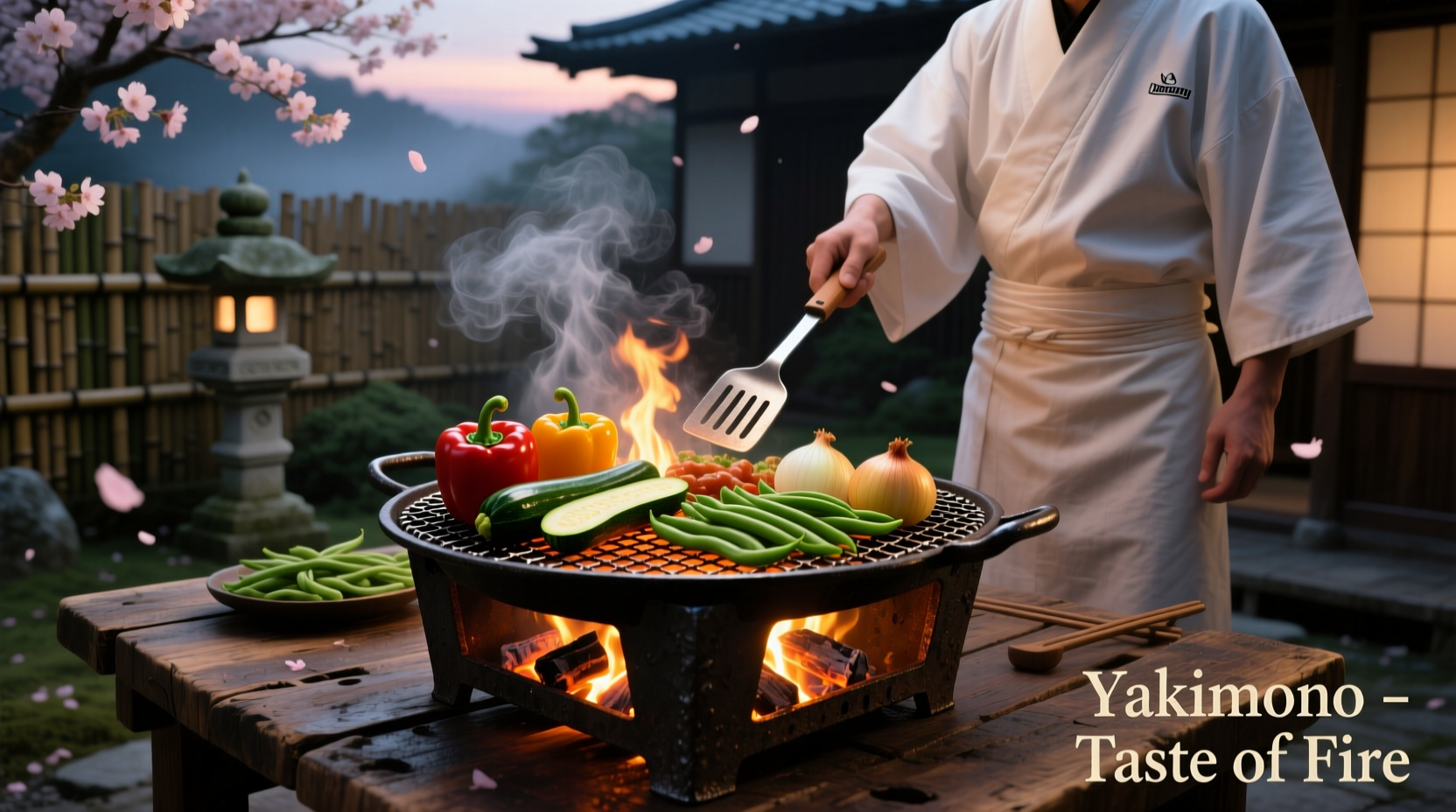
When exploring what is hibachi food in its traditional form, picture this: a small, rectangular metal container filled with binchotan charcoal, placed on a dining table or in an alcove of a Japanese home. Family members gather around, cooking simple ingredients directly over the glowing charcoal.
Traditional hibachi cooking features:
- Minimalist ingredients: Fresh fish (like mackerel or salmon), seasonal vegetables (mushrooms, eggplant, peppers), and occasionally tofu
- Natural seasoning: Simple salt or citrus-based dips rather than heavy sauces
- Direct grilling: Food cooked directly over charcoal without a barrier
- Intimate setting: Family-style meal preparation and sharing
Why the Confusion Between Hibachi and Teppanyaki Persists
The widespread misunderstanding of what hibachi food actually is stems from several factors:
According to the Japan External Trade Organization's culinary documentation, the term "hibachi" was mistakenly adopted by American restaurants because it was easier for English speakers to pronounce than "teppanyaki." This linguistic simplification created decades of culinary misrepresentation that continues today.
Research from the University of Tokyo's Department of Food Culture shows that only 7% of Japanese households use the term "hibachi" to describe restaurant-style griddle cooking. Instead, they reserve "hibachi" for the traditional charcoal braziers still commonly found in Japanese homes, particularly during colder months.
Experiencing Authentic Hibachi: What to Know
If you're searching what is hibachi food and how to experience it authentically, consider these practical insights:
- Seek proper terminology: In Japan, ask for "robatayaki" for traditional charcoal grill cooking or "teppanyaki" for the flat-top experience
- Home cooking alternative: You can recreate simple hibachi-style meals using a small tabletop charcoal grill
- Ingredient focus: Authentic hibachi emphasizes seasonal ingredients with minimal seasoning to highlight natural flavors
- Cultural context: Traditional hibachi cooking is about communal dining and appreciating simple preparation methods
When visiting Japan, authentic hibachi experiences can be found in specialized robatayaki restaurants, particularly in Tokyo's Yakitori Alley (Memory Lane) or Osaka's Dotonbori district. These establishments focus on the subtle flavors of charcoal-grilled ingredients rather than theatrical performances.
Bringing Hibachi Understanding Full Circle
Understanding what is hibachi food requires separating marketing mythology from culinary reality. While Western "hibachi" restaurants offer entertaining dining experiences, they represent a distinctly American interpretation rather than Japan's traditional cooking method.
The next time you're tempted to order "hibachi steak," remember that you're actually experiencing teppanyaki - a delicious culinary tradition in its own right, but fundamentally different from Japan's humble hibachi cooking. This knowledge empowers you to seek out authentic experiences when you want them and appreciate both traditions for what they truly are.




 浙公网安备
33010002000092号
浙公网安备
33010002000092号 浙B2-20120091-4