
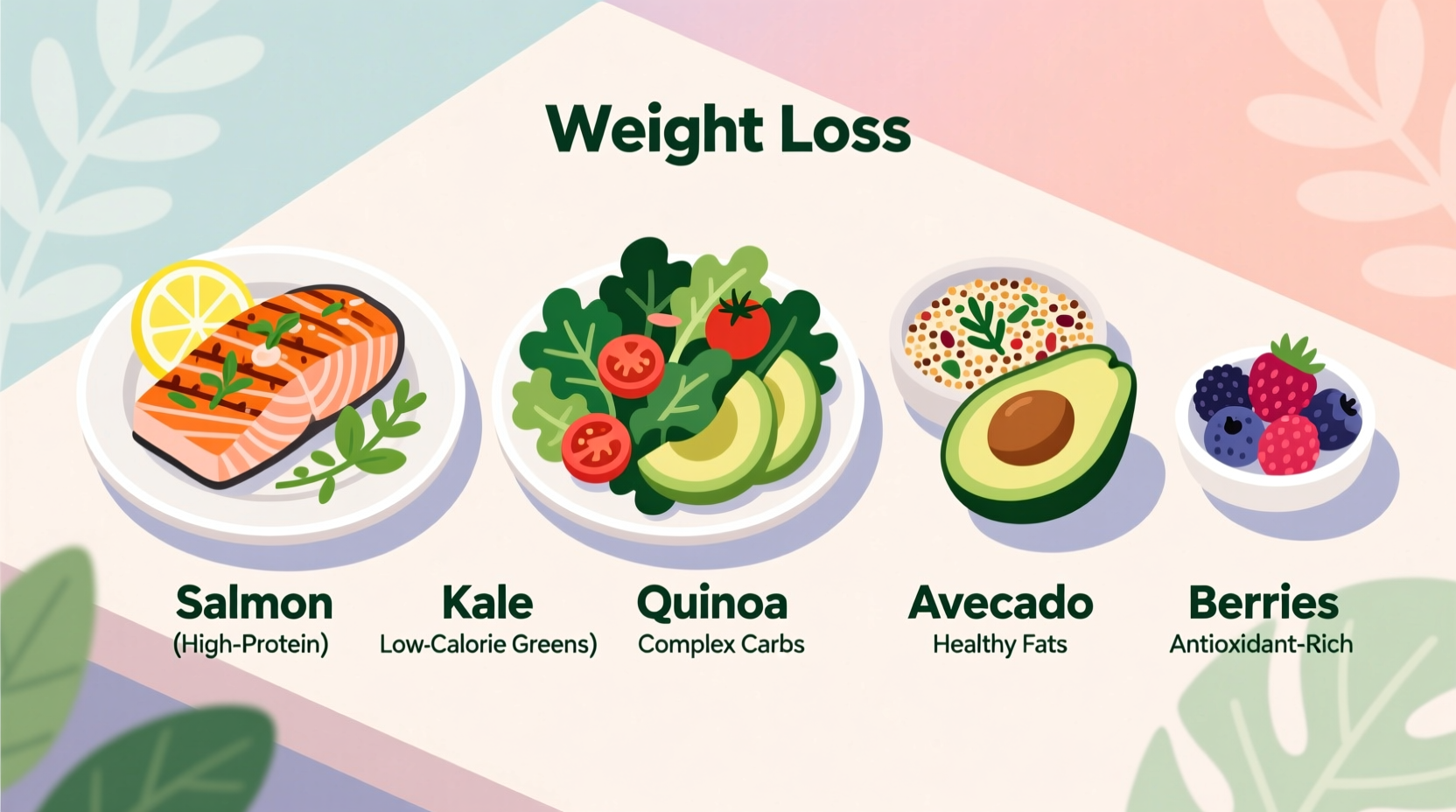
The most effective healthy foods for weight loss include leafy greens, lean proteins like chicken breast and fish, fiber-rich vegetables, healthy fats from avocados and nuts, and protein-packed legumes. These foods work by increasing satiety, stabilizing blood sugar, and providing essential nutrients while maintaining a calorie deficit. Research shows incorporating these nutrient-dense options can support sustainable weight management without extreme restriction.
When searching for what is healthy foods to lose weight, you need practical, science-backed guidance that delivers real results. Forget fad diets and extreme restrictions—sustainable weight management comes from choosing foods that nourish your body while supporting your goals. As someone who's studied culinary traditions across centuries, I've observed how cultures worldwide have naturally incorporated weight-supportive foods into daily eating patterns.
Why Certain Foods Support Weight Management
Understanding the science behind weight loss nutrition transforms how you approach eating. The most effective healthy foods to lose weight fast share key characteristics that help regulate appetite and metabolism:
- High nutrient density—more vitamins and minerals per calorie
- Strong satiety factor—keep you feeling full longer
- Low energy density—fewer calories in larger portions
- Blood sugar stabilization—prevent energy crashes and cravings
According to research from the National Institutes of Health, foods high in protein and fiber increase feelings of fullness by 25-30% compared to refined carbohydrates, making them essential components of any weight management plan.
Evidence-Based Foods That Support Weight Loss
These aren't just trendy "superfoods"—these are time-tested, research-supported options that deliver real results when incorporated into your daily eating pattern.
Leafy Greens and Non-Starchy Vegetables
Spinach, kale, broccoli, and cauliflower provide volume with minimal calories. A study published in Obesity found that increasing vegetable intake by just one serving per day correlated with 0.5 pounds of weight loss over six months without other dietary changes.
Lean Proteins
Chicken breast, turkey, fish, and eggs help preserve muscle mass during weight loss. The Harvard T.H. Chan School of Public Health notes that protein requires more energy to digest than fats or carbohydrates, creating a slight metabolic advantage.
Healthy Fats in Moderation
Avocados, nuts, and olive oil support hormone regulation crucial for weight management. Research from the PREDIMED trial showed that a Mediterranean diet rich in healthy fats led to greater weight loss than a low-fat diet over 18 months.
| Food Category | Key Weight Loss Benefit | Recommended Daily Portion | Scientific Evidence Level |
|---|---|---|---|
| Leafy Greens | High volume, low calories | 2-3 cups raw or 1-2 cups cooked | Strong (multiple RCTs) |
| Lean Proteins | Preserves muscle mass | 3-4 oz per meal (palm-sized) | Strong (systematic reviews) |
| Legumes | High fiber, slow digestion | 1/2 cup cooked | Moderate (observational studies) |
| Whole Grains | Blood sugar stabilization | 1/2 cup cooked | Moderate (cohort studies) |
Evolution of Weight Loss Nutrition Recommendations
Understanding how dietary recommendations have evolved provides valuable context for today's healthy eating for sustainable weight loss approaches:
- 1980s-1990s: Focus on low-fat diets, often replacing fats with refined carbohydrates
- 2000s: Rise of low-carb diets, sometimes eliminating entire food groups
- 2010s: Emphasis on whole foods and mindful eating patterns
- 2020s: Personalized nutrition recognizing individual responses to foods
The Dietary Guidelines for Americans 2020-2025 now emphasize dietary patterns over individual nutrients, recognizing that sustainable weight management comes from overall eating habits rather than short-term fixes.
Practical Implementation Strategies
Knowing what is healthy foods to lose weight is only half the battle—implementation makes the difference. Here's how to incorporate these foods effectively:
Grocery Shopping Approach
Focus 80% of your cart on perimeter items (fresh produce, proteins, dairy) and limit center-aisle processed foods. The CDC recommends planning meals in advance to avoid impulse purchases that derail weight management efforts.
Simple Meal Framework
Use this template for balanced meals that support weight loss without leaving you hungry:
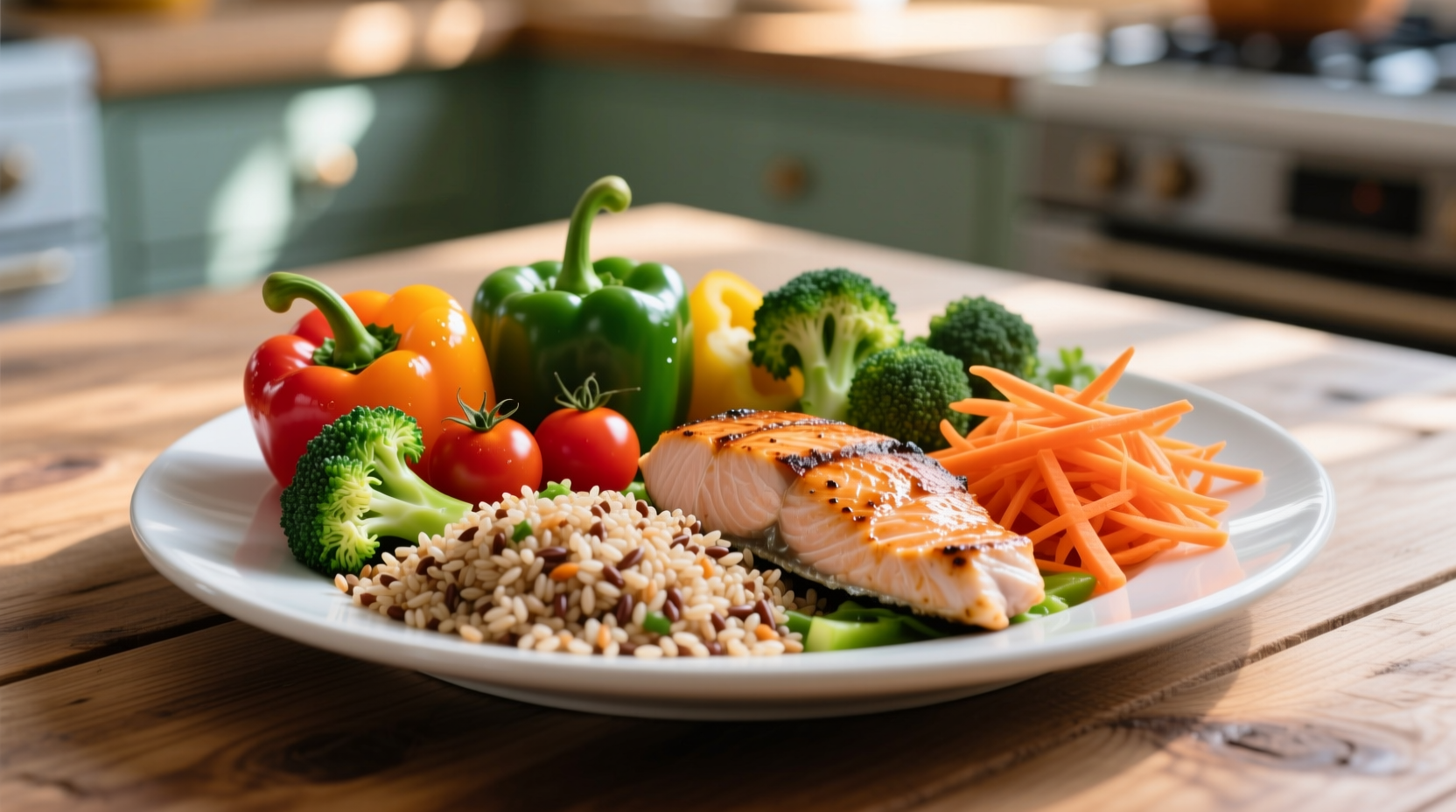
- 50% non-starchy vegetables (broccoli, spinach, peppers)
- 25% lean protein (chicken, fish, tofu)
- 25% complex carbohydrate (quinoa, sweet potato, brown rice)
- Small portion of healthy fat (olive oil, avocado, nuts)
Contextual Considerations for Weight Loss Foods
Not all nutrient-dense foods for weight management work equally well for everyone. Consider these important boundaries:
- Dietary restrictions: Those with kidney issues may need to limit certain high-potassium foods like spinach and avocado
- Calorie needs: Active individuals may require larger portions of healthy fats and carbohydrates
- Cultural preferences: Traditional diets often contain naturally weight-supportive patterns worth preserving
- Food accessibility: Frozen vegetables and canned beans provide affordable, nutritious alternatives
The American Heart Association emphasizes that sustainable weight management focuses on long-term dietary patterns rather than short-term restrictions. What works for one person might not work for another—personalization is key.
Avoiding Common Weight Loss Food Misconceptions
Many popular beliefs about foods that help burn belly fat naturally lack scientific backing. Let's clarify:
- Myth: "Detox" teas and cleanses promote lasting weight loss
Fact: These often cause temporary water weight loss with no impact on body fat - Myth: All fats make you gain weight
Fact: Healthy fats support hormone balance crucial for weight management - Myth: Carbohydrates should be eliminated for weight loss
Fact: Complex carbohydrates from whole foods provide sustained energy and fiber
Research published in The American Journal of Clinical Nutrition shows that extreme dietary restrictions often lead to weight regain, with 80% of people regaining lost weight within a year. Sustainable approaches focusing on whole foods yield better long-term results.




 浙公网安备
33010002000092号
浙公网安备
33010002000092号 浙B2-20120091-4