
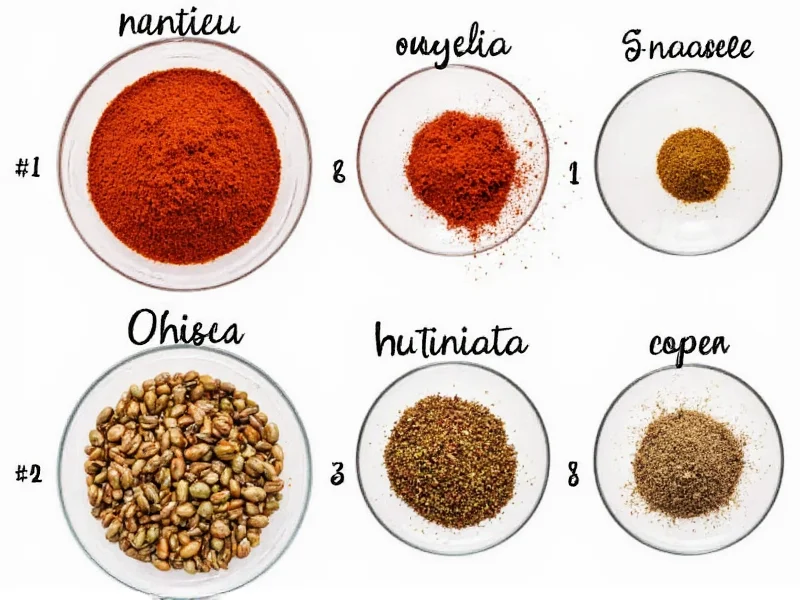
Understanding what harissa seasoning is goes beyond simply identifying it as a spicy paste. This culinary staple represents centuries of North African food tradition, with regional variations reflecting local ingredients and cultural preferences. Unlike generic hot sauces, authentic harissa delivers a distinctive flavor profile that balances heat with earthy, smoky, and slightly tangy notes.
Historical Roots and Cultural Significance
Harissa's story begins in Tunisia, where it's considered a national treasure. The name derives from the Arabic word "harasa," meaning "to pound" or "to crush," reflecting the traditional mortar-and-pestle preparation method. While Tunisia claims its origin, harissa has become integral to the cuisines of Morocco, Algeria, Libya, and other North African countries, each developing regional variations.
Historically, North African cooks created harissa as a way to preserve summer's pepper harvest through the cooler months. Families would gather to prepare large batches during peak pepper season, a tradition that continues in many households today. The paste's vibrant red color symbolizes both the fiery heat of the peppers and the cultural warmth of North African hospitality.
Harissa Historical Evolution Timeline
- Pre-15th Century: North African cuisine relied on black pepper and native spices before chili introduction
- 1493: Chili peppers first brought to Africa via Spanish and Portuguese traders (Columbian Exchange)
- 16th Century: Integration of chilies into local foodways; earliest harissa variants emerge in Tunisia
- 1881-1956: French colonial period sees commercial production begin while preserving traditional methods
- 2016: Tunisia's National Heritage Institute formally recognizes harissa production as intangible cultural heritage
- 2020: Global harissa market expands by 28% as Mediterranean cuisine gains worldwide popularity (FAO data)
Core Ingredients That Define Authentic Harissa
True harissa maintains a relatively simple ingredient profile, though regional variations exist. The essential components include:
- Chili Peppers: Primarily Baklouti peppers (mild to medium heat) or serrano peppers, sometimes combined with hotter varieties like bird's eye chilies
- Garlic: Fresh cloves providing pungent depth
- Olive Oil: High-quality extra virgin for richness and preservation
- Acid Component: Usually lemon juice or vinegar for brightness
- Spice Blend: Ground cumin, coriander, and caraway seeds
- Salt: For flavor enhancement and preservation
Many commercial products add preservatives, sugar, or additional ingredients that alter the traditional flavor. When exploring what is harissa seasoning in its purest form, look for products with minimal ingredients that reflect this North African heritage.
| Regional Variation | Primary Pepper(s) | Heat Profile | Defining Characteristics |
|---|---|---|---|
| Tunisian | Baklouti | Mild-Medium (1,000-5,000 SHU*) | Smoky, garlic-forward; often includes rose harissa variant |
| Moroccan | Serrano | Medium (10,000-25,000 SHU) | Higher acidity; frequently blended with preserved lemons |
| Algerian | Bird's Eye | Very Hot (50,000-100,000 SHU) | Intense heat with citrus notes; used sparingly in stews |
| Libyan | Mixed varieties | Medium (5,000-15,000 SHU) | Floral notes from added rose petals or caraway |
*Scoville Heat Units based on primary peppers used. Source: New Mexico State University Chile Pepper Institute Pepper Heat Chart
Flavor Profile and Culinary Applications
Understanding what harissa seasoning brings to your cooking requires examining its complex flavor dimensions. Unlike one-dimensional hot sauces, authentic harissa offers:
- Heat Level: Ranges from mild to very hot depending on pepper varieties used
- Smokiness: From roasted peppers, especially in traditional preparations
- Garlicky Depth: Fresh garlic provides aromatic complexity
- Earthy Undertones: From cumin and coriander
- Subtle Tang: Natural acidity from lemon or vinegar
When incorporating harissa into dishes, remember that its flavor evolves during cooking. Raw harissa delivers brighter, more acidic notes, while cooked harissa develops deeper, smokier characteristics. This versatility makes it valuable for multiple cooking techniques:
- As a marinade for meats, fish, or vegetables
- Stirred into soups, stews, and braises for depth
- Mixed with yogurt or mayo for dipping sauces
- Swirled into hummus or other dips
- Added to salad dressings for spicy complexity
- Used as a pizza or flatbread topping
Contextual Boundaries: Appropriate Usage Scenarios
While harissa's versatility is celebrated, understanding its cultural and culinary boundaries ensures authentic application. According to Tunisia's Ministry of Cultural Affairs, harissa is traditionally paired with robust dishes like couscous and grilled meats but is culturally inappropriate in:
- Delicate seafood preparations: Overpowers subtle flavors in dishes like ceviche or poached fish
- Sweet applications: Traditional North African cuisine rarely uses harissa in desserts (unlike modern fusion experiments)
- Non-Mediterranean bases: Creates flavor dissonance when paired with soy-based or vinegared sauces
- Religious contexts: Avoided in some Muslim communities during Ramadan fasting periods due to its intense nature
Limited substitutions are acceptable when:
- Using Tunisian-style harissa in Moroccan dishes (though locals consider it inauthentic)
- Replacing 50% of harissa with smoked paprika in vegetarian applications where traditional fish-based umami is absent
Source: Tunisia Ministry of Cultural Affairs, "Traditional Food Heritage Guidelines" (2022)
Harissa Paste vs. Powder: Understanding the Differences
When exploring what is harissa seasoning available commercially, you'll encounter both paste and powder forms. These represent distinct products with different culinary applications:
Harissa Paste: The traditional form, containing moisture from peppers and olive oil. This version delivers immediate flavor impact and integrates smoothly into sauces and marinades. It typically has a refrigerated shelf life of 2-3 weeks once opened.
Harissa Powder: A dried version created by dehydrating the paste. This requires reconstitution with oil or liquid before use. While less convenient, powder offers longer shelf stability (6-12 months) and concentrated flavor. Many chefs consider paste superior for authentic applications, while powder works well for spice rubs or when moisture content matters.
Creating Authentic Harissa at Home
Making your own harissa allows complete control over ingredients and heat level. Here's a traditional preparation method that reveals what harissa seasoning is at its essence:
Traditional Harissa Recipe
- 6-8 dried guajillo peppers (soaked)
- 2-4 dried New Mexico peppers
- 3 garlic cloves
- 1 tsp ground cumin
- 1 tsp ground coriander
- ½ tsp caraway seeds
- ½ cup olive oil
- 1 tbsp lemon juice
- Salt to taste
- Remove stems and seeds from dried peppers
- Soak peppers in hot water for 20 minutes until soft
- Drain peppers, reserving ¼ cup soaking liquid
- Combine all ingredients in food processor
- Pulse until smooth paste forms, adding reserved liquid as needed
- Store in airtight container with thin layer of olive oil on top
This homemade version captures what harissa seasoning is meant to be—fresh, vibrant, and full of layered flavors without artificial additives. For a roasted variation, char fresh red bell peppers and serranos over open flame before blending.
Substitutes and Complementary Flavors
When authentic harissa isn't available, understanding what harissa seasoning alternatives exist can save your recipe. While no substitute perfectly replicates harissa's unique profile, these options work in a pinch:
- Sriracha + Smoked Paprika: Provides heat with smoky depth
- Chili Garlic Sauce + Cumin: Captures garlic element with adjustable heat
- Aji Amarillo Paste: Similar fruity heat profile (Peruvian yellow chili)
- Chipotle in Adobo: Offers smokiness with different heat character
For authentic results, pair harissa with complementary flavors that enhance rather than compete with its distinctive profile:
- Lemon or preserved lemon for brightness
- Honey or date syrup for balancing heat
- Yogurt or labneh for cooling contrast
- Cumin and coriander for flavor harmony
- Olive oil for richness and mouthfeel
Selecting Quality Harissa Products
When purchasing harissa, understanding what harissa seasoning should contain helps identify quality products. Look for these markers of authenticity:
- Minimal ingredient list focused on peppers, garlic, oil, and spices
- No artificial preservatives or colors
- Visible pepper flakes rather than uniform puree
- Olive oil as the primary fat source
- Region-specific labeling (Tunisian, Moroccan, etc.)
Avoid products listing water, sugar, or vinegar as primary ingredients, as these dilute the authentic flavor profile. Premium harissas often specify the pepper varieties used and may include additional traditional ingredients like rose petals (Libyan style) or roasted peppers.
Storage and Shelf Life Considerations
Proper storage preserves what makes harissa seasoning special. Homemade versions last 2-3 weeks refrigerated with a protective oil layer on top. Commercial pastes typically remain fresh for 4-6 weeks after opening when refrigerated.
For extended storage, freeze harissa in ice cube trays, then transfer cubes to freezer bags. This method preserves flavor for 6-8 months. Always use clean utensils when handling harissa to prevent contamination and spoilage.
Global Culinary Evolution
While understanding what harissa seasoning is traditionally remains important, its global adoption has sparked creative adaptations. Chefs worldwide now incorporate harissa into unexpected dishes:
- Harissa-infused chocolate for complex heat
- Breakfast applications like harissa scrambled eggs
- Cocktail ingredients for spicy margaritas
- Harissa butter for corn or seafood
- Marinades for unconventional proteins like tofu or tempeh
This culinary evolution demonstrates harissa's remarkable versatility while raising awareness of its North African roots. As you explore what harissa seasoning can do in your kitchen, remember its cultural significance and traditional preparation methods.




 浙公网安备
33010002000092号
浙公网安备
33010002000092号 浙B2-20120091-4