
When you search what is ham food, you're looking for clear, factual information about this popular meat product. This comprehensive guide delivers exactly that - explaining ham's definition, production methods, historical background, nutritional profile, and practical usage tips. You'll learn how ham differs from other pork products, discover regional varieties worldwide, and gain insights for selecting and using ham in your cooking.
Defining Ham: More Than Just Pork
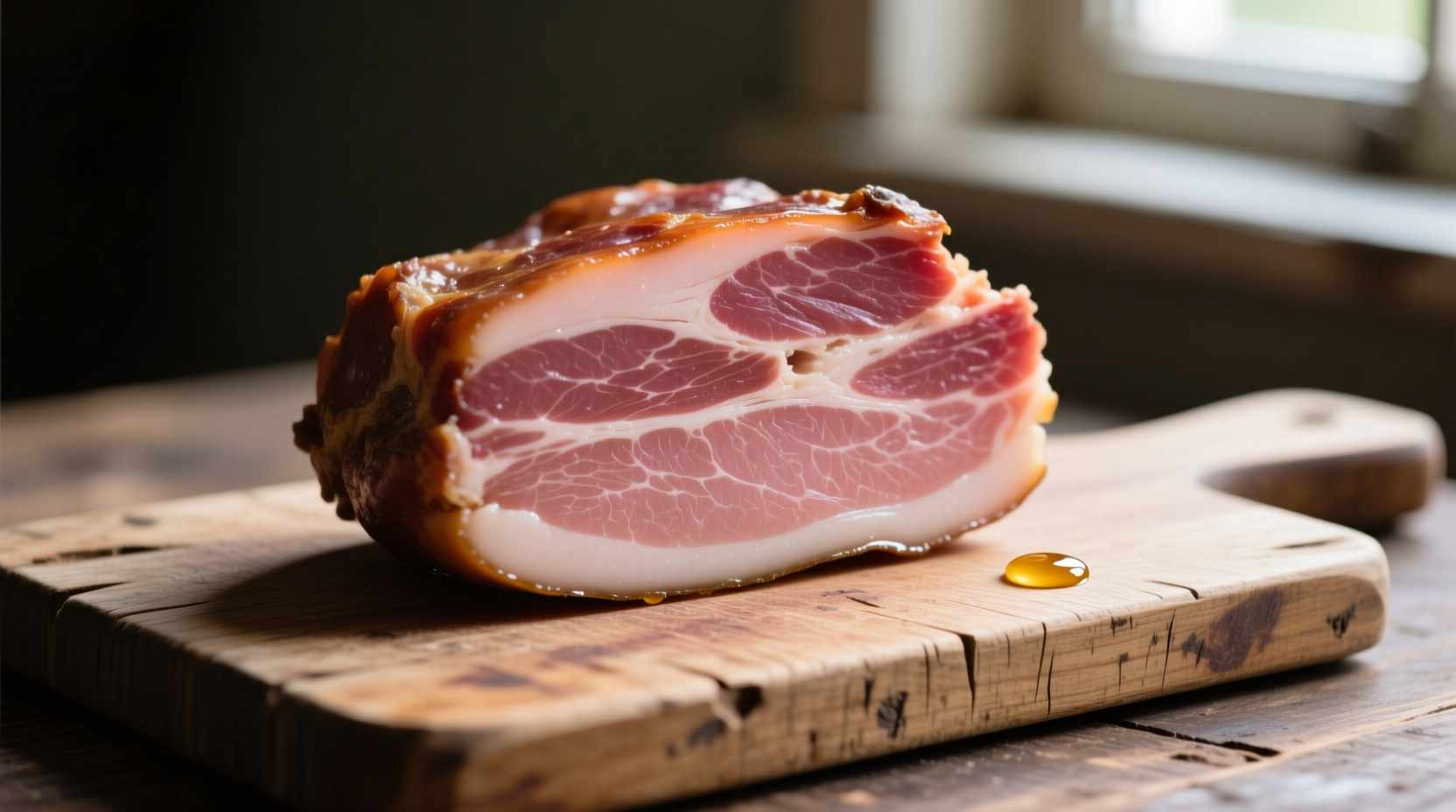
Ham specifically refers to the cured meat from a pig's hind leg. Unlike fresh pork, ham undergoes preservation processes that transform both its flavor and shelf life. The curing process, whether through dry salt rubs, wet brines, or smoking, fundamentally changes the meat's chemical composition through osmosis and protein breakdown.
According to the USDA Food Safety and Inspection Service, "cured meat" means any product made from meat that has been treated with salt, sugar, nitrite, or other curing agents to preserve it and develop characteristic flavor and color. This definition forms the scientific basis for what qualifies as true ham.
Ham Through Time: A Historical Perspective
Ham production represents one of humanity's earliest food preservation techniques. Historical evidence shows that ancient civilizations independently developed curing methods to extend meat's shelf life:
- 8000 BCE: Earliest evidence of meat preservation using salt in Mesopotamia
- 1st Century CE: Roman texts document sophisticated ham curing techniques
- 15th Century: Prosciutto production documented in Italian monasteries
- 18th Century: Wet-curing methods developed in Europe and America
- 20th Century: Industrial production standardizes ham processing
This evolutionary timeline demonstrates how ham production methods responded to technological advances while maintaining traditional quality markers. The National Academy of Sciences confirms that meat curing represents one of humanity's most significant food preservation breakthroughs, with techniques refined over millennia.
How Ham Is Made: The Science of Curing
Understanding what ham food is requires examining the two primary curing methods:
| Curing Method | Process Duration | Key Characteristics | Common Examples |
|---|---|---|---|
| Dry Curing | Months to years | Salt-rubbed, air-dried, develops complex flavors | Prosciutto, Serrano, Country Ham |
| Wet Curing | Days to weeks | Brine-soaked, faster process, milder flavor | City Ham, Deli Ham, Spiral-cut |
| Smoked | Varies | Exposed to smoke after curing, distinctive flavor | Hickory-smoked, Applewood-smoked |
The curing process fundamentally transforms pork through three mechanisms: dehydration, protein modification, and flavor development. Salt draws out moisture through osmosis while inhibiting bacterial growth. Nitrates convert to nitric oxide, which reacts with myoglobin to create ham's characteristic pink color. Enzymes break down proteins into flavorful amino acids during aging.
Global Ham Varieties: A Culinary Tour
Ham production varies significantly across cultures, reflecting local traditions and available resources. These regional differences create distinct flavor profiles and textures:
- European Hams: Spain's Jamón Ibérico (from acorn-fed pigs), Italy's Prosciutto di Parma (PDO protected), and Germany's Westphalian ham each represent centuries-old traditions
- American Hams: Virginia's country ham (dry-cured with salt and spices), Smithfield ham (specifically from Virginia), and standard supermarket hams
- Asian Interpretations: Chinese Jinhua ham, Japanese Kurobuta ham, and Korean aged hams showcase regional adaptations
The European Union's Protected Designation of Origin system recognizes over 30 specific ham varieties with legally protected production methods, highlighting the cultural significance of traditional ham making.
Nutritional Profile: What's in Ham?
Ham provides valuable protein and nutrients but contains higher sodium levels due to the curing process. A 3-ounce serving typically contains:
- 110-150 calories
- 15-20 grams of protein
- 1-4 grams of fat (varies by cut and preparation)
- 800-1,200 mg of sodium
- Essential B vitamins and minerals like selenium
The National Institutes of Health notes that while ham provides high-quality protein and essential nutrients, consumers should be mindful of sodium content, particularly those with hypertension. Choosing low-sodium varieties or rinsing ham before cooking can reduce sodium intake by up to 30%.
Practical Ham Selection and Usage Guide
When selecting ham, consider these practical factors based on your intended use:
- For sandwiches: Choose wet-cured deli ham for consistent texture and mild flavor
- For cooking: Bone-in hams provide more flavor; spiral-cut for convenience
- For charcuterie: Opt for dry-cured varieties like prosciutto or serrano
- Storage: Unopened vacuum-sealed ham lasts 2-3 weeks refrigerated; opened ham should be consumed within 5-7 days
Chef's tip: When cooking ham, add moisture through glazes or surrounding liquid to prevent drying. The ideal internal temperature for reheating cooked ham is 140°F (60°C), while uncooked ham should reach 145°F (63°C) with a 3-minute rest time according to USDA guidelines.
Frequently Asked Questions About Ham
What's the difference between ham and pork?
Ham specifically refers to the cured hind leg of a pig, while pork is the general term for all pig meat. The curing process transforms fresh pork into ham through preservation techniques that change its flavor, texture, and shelf life. All ham is pork, but not all pork is ham.
Is ham considered processed meat?
Yes, ham is classified as processed meat because it undergoes preservation through curing, smoking, or the addition of chemical preservatives. The World Health Organization categorizes all cured meats, including ham, as processed meats due to the preservation methods used.
How long does ham last in the refrigerator?
Unopened, vacuum-sealed ham lasts 2-3 weeks refrigerated. Once opened, cooked ham should be consumed within 5-7 days. Fresh (uncured) ham lasts 3-5 days refrigerated. Always store ham in its original packaging or wrapped tightly in plastic wrap or aluminum foil.
Can you eat ham raw?
Dry-cured hams like prosciutto, serrano, and country ham are safe to eat raw because the curing process preserves them sufficiently. Wet-cured or smoked hams typically require cooking before consumption. Always check packaging instructions as preparation requirements vary by product.




 浙公网安备
33010002000092号
浙公网安备
33010002000092号 浙B2-20120091-4