
Ever wonder what gives your favorite candies their vibrant colors or makes sports drinks look so refreshingly blue? Understanding what food dyes are made of matters more than you might think—especially when you're making informed choices about what goes into your body. This comprehensive guide breaks down the science behind food coloring, explaining exactly what's in those colorful additives and how they impact your food.
The Two Worlds of Food Coloring: Natural vs. Artificial
When you ask "what is food dye made of," the answer falls into two main categories: natural and artificial. Each has distinct origins, production methods, and applications in the food industry. Let's explore both worlds to help you understand exactly what's coloring your food.
| Type | Primary Sources | Common Examples | Color Range |
|---|---|---|---|
| Natural | Plants, fruits, vegetables, minerals, insects | Beetroot, turmeric, annatto, spirulina | Limited (earth tones, pastels) |
| Artificial | Petroleum derivatives, coal tar | Red 40, Yellow 5, Blue 1 | Full spectrum (vibrant, consistent) |
Natural Food Dyes: Nature's Color Palette
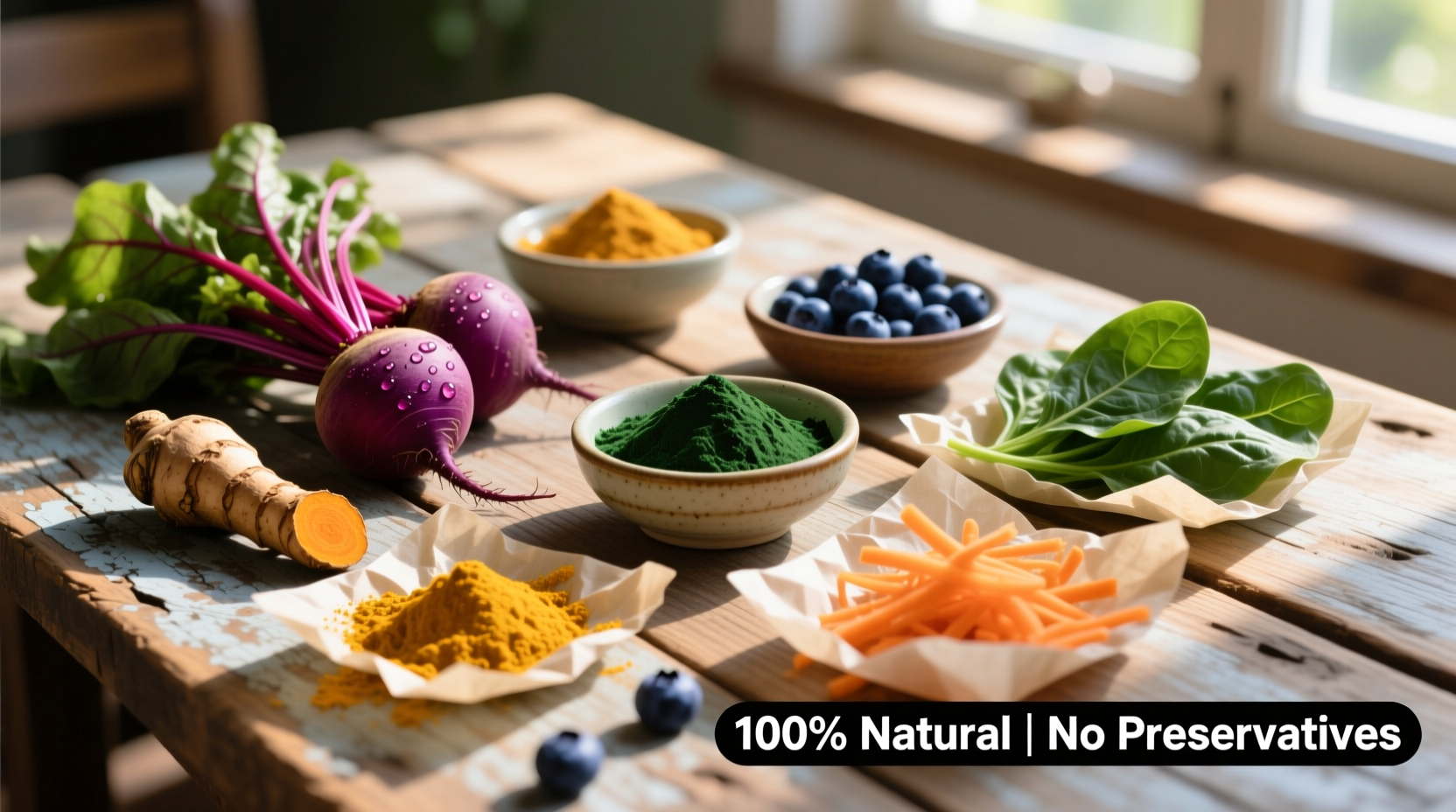
Natural food dyes harness pigments found in everyday ingredients. These colorants have been used for centuries, long before synthetic options existed. Modern extraction methods have refined these traditional techniques while maintaining their natural origins.
Plant-Based Color Sources
Most natural food dyes come from plants, each offering unique coloring properties:
- Beetroot extract - Provides rich red and pink hues through betalain pigments. Used in ice creams, yogurts, and baked goods.
- Turmeric - Contains curcumin, creating vibrant yellow coloring. Common in mustard, cheese, and snack foods.
- Annatto - Derived from achiote tree seeds, producing orange to red colors. Widely used in cheese products like cheddar.
- Spirulina - A blue-green algae that creates stunning blue and green shades. Increasingly popular in "natural" candy and beverages.
- Caramel color - Created through controlled heating of sugars, producing various brown shades. Found in colas, sauces, and baked goods.
Less Common Natural Sources
Some natural dyes come from less obvious sources:
- Cochineal extract (Carmine) - Made from crushed cochineal insects, producing intense red colors. Used in some yogurts, juices, and cosmetics.
- Butterfly pea flower - Creates brilliant blue that changes color with pH levels. Popular in specialty beverages.
- Red cabbage - Contains anthocyanins that shift from red to purple to blue depending on acidity.
Artificial Food Dyes: The Science of Synthetic Color
Artificial food dyes are petroleum-derived compounds specifically engineered for food coloring. These synthetic colors offer advantages that natural dyes often can't match—particularly in terms of color intensity, stability, and consistency.
How Artificial Dyes Are Made
The manufacturing process for artificial food dyes begins with petroleum or coal tar derivatives. Through a series of chemical reactions, these raw materials are transformed into stable, water-soluble color compounds that meet strict food safety standards. The U.S. Food and Drug Administration (FDA) maintains a list of approved color additives that have undergone rigorous safety testing before receiving certification for food use.
Most Common Artificial Food Dyes
These synthetic colors dominate the food industry due to their vibrant hues and stability:
- Red 40 (Allura Red) - The most widely used food dye, found in candies, soft drinks, and baked goods. Made from petroleum derivatives.
- Yellow 5 (Tartrazine) - Creates bright yellow coloring in beverages, desserts, and snacks. Some individuals report sensitivity to this dye.
- Yellow 6 (Sunset Yellow) - Provides orange-yellow coloring in soft drinks, candies, and gelatin desserts.
- Blue 1 (Brilliant Blue) - Creates vivid blue hues in sports drinks, ice creams, and confections.
- Blue 2 (Indigo Carmine) - Produces deep blue coloring in candies and beverages.
Evolution of Food Coloring: A Historical Timeline
Food coloring has evolved dramatically over centuries, with significant milestones shaping today's industry:
- Pre-1856 - Only natural color sources available (plants, minerals, insects)
- 1856 - First synthetic dye (mauveine) accidentally discovered by William Perkin
- Early 1900s - U.S. approved 7 synthetic food dyes; many unregulated coal-tar colors in use
- 1938 - Federal Food, Drug, and Cosmetic Act required certification of synthetic colors
- 1960s-1970s - Growing safety concerns led to bans of several synthetic dyes
- 1990s-Present - Increased demand for natural alternatives drives innovation in plant-based colors
Reading Food Labels: Identifying Dyes in Your Products
Knowing what food dye is made of helps you spot them on ingredient lists. Here's what to look for:
Natural Dyes on Labels
Manufacturers may list natural color sources directly:
- "Color added (vegetable juice for color)"
- "Beet juice concentrate"
- "Turmeric (color)"
- "Annatto extract"
- "Carmine" or "Cochineal extract" (insect-derived red)
Artificial Dyes on Labels
Synthetic colors appear as:
- "FD&C Red No. 40" or "Allura Red AC"
- "FD&C Yellow No. 5" or "Tartrazine"
- "FD&C Blue No. 1" or "Brilliant Blue FCF"
- "Artificial color" or "Artificially colored"
Food Dye Safety: What You Should Know
All food dyes used in the United States must receive approval from the FDA through the certification process. The FDA maintains strict standards for color additives, requiring extensive testing to ensure safety before they can be used in food products.
While most people consume food dyes without issue, some individuals may experience sensitivities. The FDA requires certification of artificial colors and monitors their safety through ongoing research. Natural dyes generally have fewer reported sensitivities, though rare reactions to ingredients like annatto can occur.
For parents concerned about children's consumption, research shows that while some children may be sensitive to certain artificial colors, the evidence linking food dyes to widespread behavioral issues remains inconclusive. The European Union requires warning labels on foods containing certain artificial colors, while the FDA continues to permit their use with appropriate labeling.
Practical Considerations for Consumers
When evaluating food dyes in your diet, consider these practical factors:
- Natural dyes often provide more subtle coloring and may fade or change with heat and pH
- Artificial dyes deliver consistent, vibrant colors that withstand processing conditions
- "Natural" labeled products may still contain natural dyes like carmine (insect-derived)
- Organic products can only use specific natural colorants approved for organic certification
- Some natural dyes (like beet juice) add nutritional value beyond just color




 浙公网安备
33010002000092号
浙公网安备
33010002000092号 浙B2-20120091-4