
Colorado's Culinary Identity: More Than Just Mountain High Flavors
When travelers ask what is Colorado famous for food, they're often surprised to learn the Centennial State offers far more than ski resort dining. Colorado's culinary scene blends Native American traditions, Western ranching culture, and modern agricultural innovation. The high-altitude environment creates distinctive growing conditions that produce uniquely flavorful ingredients sought by chefs nationwide.
Rocky Mountain Oysters: Courage on a Plate
Perhaps Colorado's most talked-about specialty, Rocky Mountain oysters aren't seafood at all—they're bull testicles. This Western ranch tradition dates back to the 19th century when cowboys utilized every part of the animal. Prepared by cleaning, breading, and deep-frying, they're commonly served with cocktail sauce at festivals like the Colorado State Fair in Pueblo. Despite the intimidating name, they taste remarkably similar to fried calamari.
| Colorado Specialty | Origin Story | Best Season to Try | Where to Find |
|---|---|---|---|
| Palisade Peaches | Grown in Western Slope's unique microclimate | July-September | Orchards along I-70 near Grand Junction |
| Colorado Lamb | High-altitude grazing creates distinctive flavor | Year-round | Local farmers markets statewide |
| Green Chili | Mexican and Native American culinary fusion | August-October | Denver's Santa Fe Drive restaurants |
| Bison Meat | Revival of Native American food traditions | Year-round | Specialty butchers in Boulder and Colorado Springs |
Palisade Peaches: The Sweet Heart of Colorado Agriculture
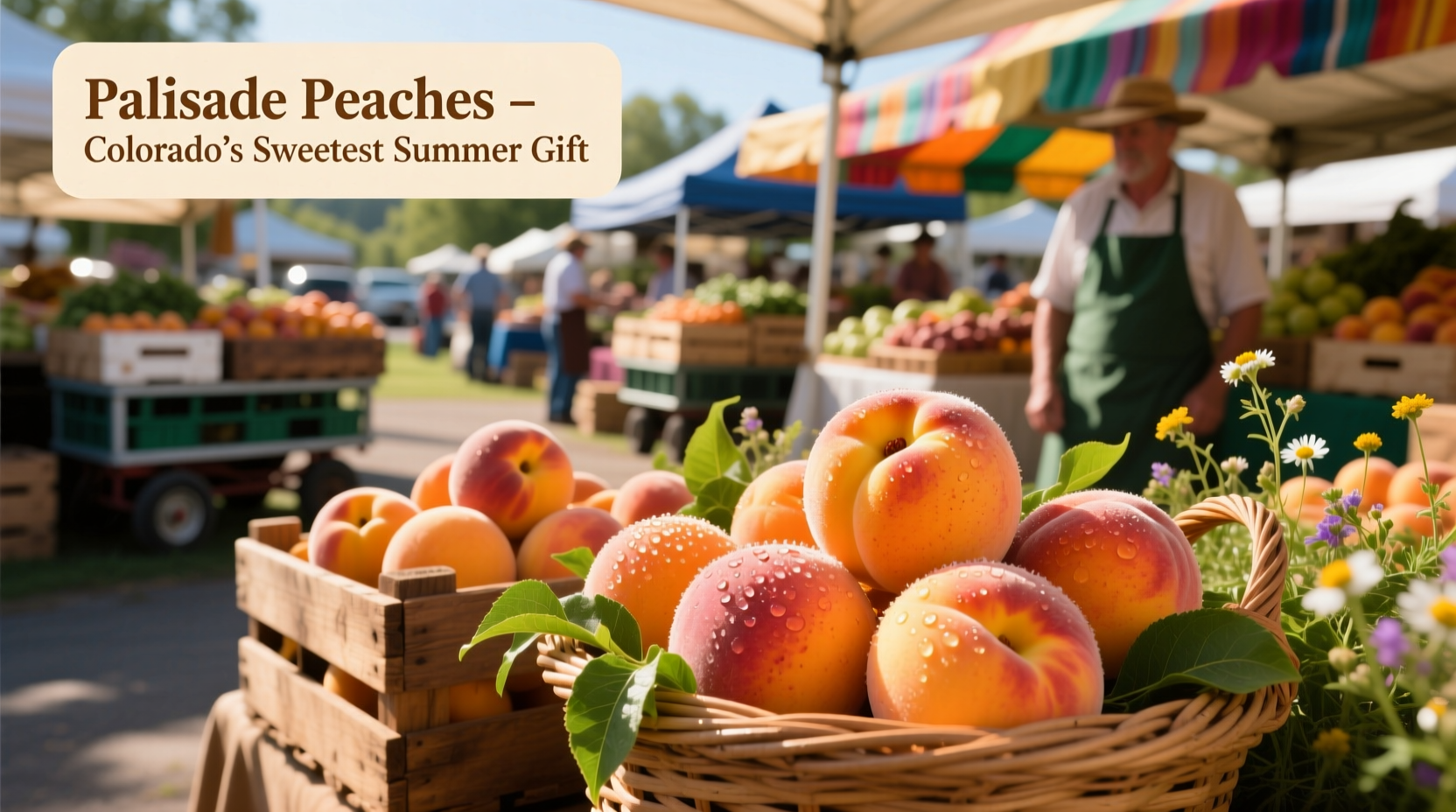
Nestled along the Colorado River, Palisade's unique microclimate produces peaches with extraordinary sweetness and firm texture. The Colorado Department of Agriculture reports over 3,000 acres dedicated to peach production in the Grand Valley region. These peaches have earned Protected Geographical Indication status, meaning only fruit grown within the designated region can bear the "Palisade Peach" name. Visit during harvest season (July-September) for farm stands offering fresh peaches, jams, and even peach wine.
Green Chili: Colorado's Official Comfort Food
While New Mexico claims red chili, Colorado proudly serves green. This regional variation features roasted Hatch or Anaheim peppers simmered with pork, tomatoes, and spices. The Colorado Historical Society documents green chili's evolution from Native American pueblo cooking to its current status as a cultural staple. During harvest season (August-October), you'll find chili roasting events throughout Denver and Colorado Springs, where vendors transform bushels of fresh peppers into smoky, flavorful batches.
Colorado Lamb: High-Altitude Flavor Profile
Colorado ranks among the top lamb-producing states in America, with over 200,000 head raised annually according to USDA agricultural reports. The high-altitude grazing creates meat with distinctive flavor notes—less gamey than other regions due to the diverse native grasses. Colorado lamb earned True Grassfed American certification, recognizing its natural grazing practices. Look for it on menus at Denver's historic Buckhorn Exchange, established in 1893.
From Frontier to Foodie Destination: Colorado's Culinary Timeline
Colorado's food evolution follows a clear historical trajectory:
- Pre-1858: Native American tribes cultivated corn, beans, and squash while hunting bison
- 1858-1900: Gold rush era introduced diverse immigrant influences to frontier cooking
- 1900-1950: Ranching culture established meat-centric Western cuisine
- 1950-1990: Agricultural expansion brought specialty crops to Western Slope
- 1990-Present: Craft food movement elevated local ingredients to gourmet status
Where to Experience Authentic Colorado Cuisine
For the true what is Colorado famous for food experience, visit these culinary destinations:
- Denver's Historic 16th Street Market: Sample green chili and craft beer from local vendors
- Western Slope Farm Tours: Pick-your-own peaches and wine tasting along the Grand Valley
- Colorado Lamb Cookoff: Annual event in Pueblo showcasing creative lamb preparations
- Bison Ranch Tours: Educational experiences at facilities like The Mile High Stockyard
Modern Colorado Food Scene: Beyond Traditional Specialties
While traditional foods define Colorado's culinary identity, the state has evolved into a sophisticated food destination. Colorado now boasts over 4,000 craft breweries—the highest concentration per capita in America—according to the Colorado Brewers Guild. The Front Range has become a hub for farm-to-table dining, with chefs incorporating Colorado-grown ingredients like Olathe sweet corn and San Luis Valley potatoes into innovative dishes. This blend of tradition and innovation creates a dynamic food scene that honors Colorado's heritage while embracing contemporary culinary trends.
Frequently Asked Questions
Here are answers to common questions about Colorado's famous foods:




 浙公网安备
33010002000092号
浙公网安备
33010002000092号 浙B2-20120091-4