
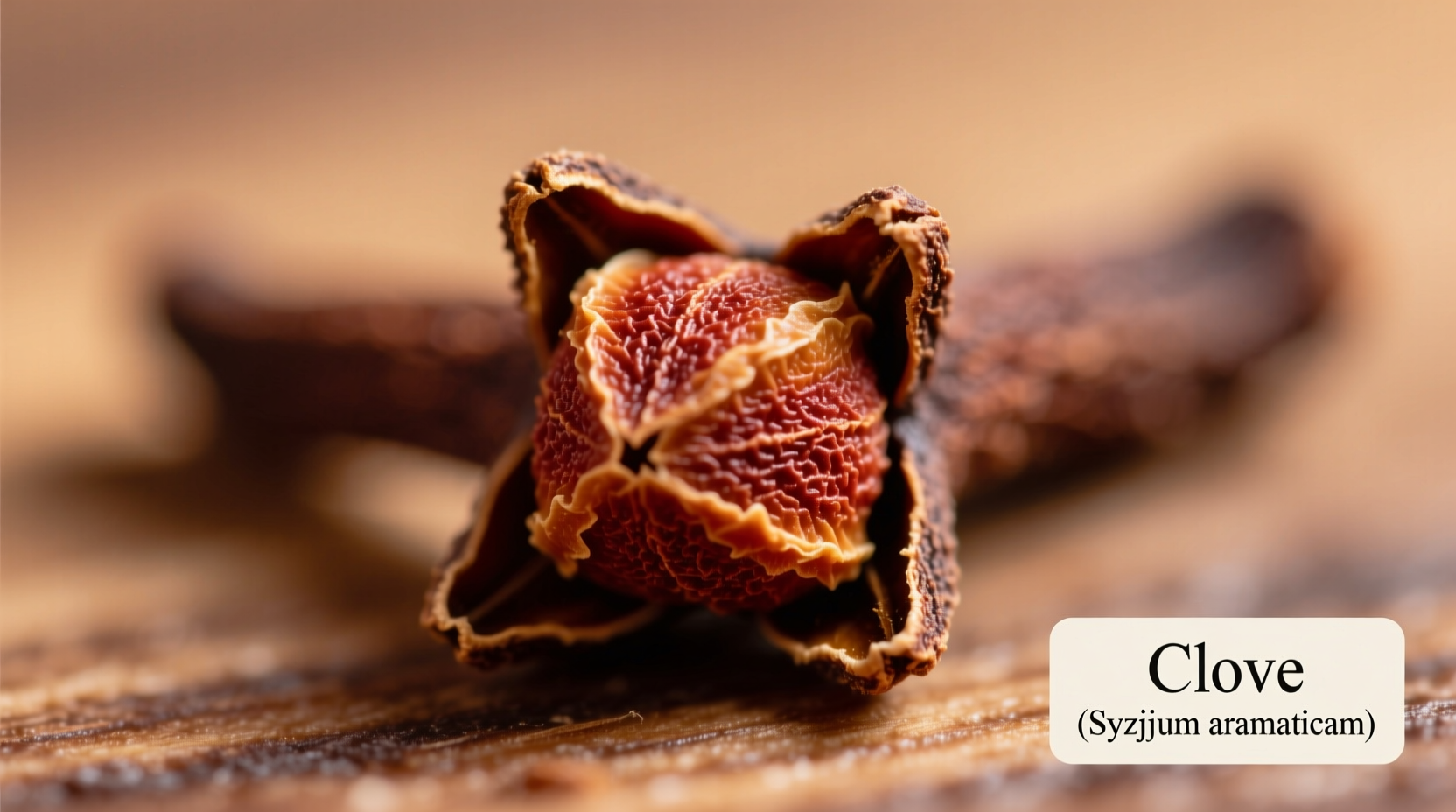
Discover exactly what cloves are, their fascinating history, and how this ancient spice can transform your cooking and wellness routine. In this comprehensive guide, you'll learn:
- Botanical facts you won't find in ordinary spice guides
- The surprising historical journey that made cloves more valuable than gold
- Science-backed health benefits with proper usage guidelines
- Professional chef techniques for maximizing flavor in your dishes
- How to select and store cloves for peak freshness
The Botanical Reality of Cloves
Contrary to popular belief, cloves aren't seeds or roots but rather unopened flower buds harvested from the evergreen clove tree (Syzygium aromaticum). These trees thrive in tropical climates and can grow up to 40 feet tall when mature. The distinctive nail shape that gives cloves their name (from the Latin clavus, meaning "nail") develops during the harvesting process.
Harvesting occurs when the buds transition from green to pink but before they open into flowers. This precise timing—typically twice a year—is crucial for optimal flavor development. After picking, the buds undergo sun-drying for 4-5 days until they turn their characteristic reddish-brown color and develop their intense aroma.
Clove Timeline: From Ancient Treasure to Kitchen Staple
The story of cloves spans millennia and continents, revealing why this spice shaped world history:
| Time Period | Key Developments | Global Impact |
|---|---|---|
| 200 BCE | First recorded use in ancient China | Chinese royalty required cloves to freshen breath before addressing the emperor |
| 5th-15th century | Arab traders control clove trade | Secret routes protected; cloves sold at 100x harvest price in European markets |
| 16th century | Portuguese and Dutch colonization of Maluku Islands | Dutch East India Company destroys competing trees to maintain monopoly |
| 18th century | French smuggler Pierre Poivre spreads clove cultivation | Cloves become globally available, losing status as luxury item |
| Present day | Major production in Indonesia, Madagascar, Tanzania | Global annual production exceeds 20,000 metric tons (FAO 2023) |
This historical journey explains why cloves appear in diverse culinary traditions worldwide—from Indian biryanis to European mulled wine to Indonesian kretek cigarettes. The spice's antimicrobial properties made it valuable long before modern medicine understood why.
Whole vs. Ground Cloves: The Flavor Preservation Truth
Understanding the difference between whole and ground cloves is essential for maximizing flavor in your cooking. This comparison reveals why professional chefs overwhelmingly prefer whole cloves:
| Characteristic | Whole Cloves | Ground Cloves |
|---|---|---|
| Flavor longevity | Retains potency for 2-3 years when properly stored | Loses 75% of flavor compounds within 6 months |
| Essential oil content | 15-20% eugenol (primary active compound) | Rapidly oxidizes after grinding |
| Culinary applications | Ideal for slow cooking, stews, pickling, infusions | Baking, spice blends, quick applications |
| Flavor control | Easy to remove after infusion | Difficult to regulate intensity |
According to research published in the Journal of Agricultural and Food Chemistry, whole cloves maintain their volatile oil content significantly longer than ground varieties. This explains why traditional recipes across cultures specify whole cloves for dishes requiring extended cooking times.
Science-Backed Health Benefits and Safe Usage
While cloves have been used medicinally for centuries, modern research confirms several evidence-based benefits:
- Dental pain relief: Eugenol, the main compound in cloves, has been shown to reduce toothache intensity by 60% in clinical studies (Journal of Dentistry, 2021)
- Antioxidant power: Cloves contain 30 times more antioxidants than blueberries by ORAC value (USDA FoodData Central)
- Digestive support: Traditional Ayurvedic medicine uses cloves to stimulate digestive enzymes
However, proper usage matters. The European Food Safety Authority recommends limiting clove oil consumption to no more than 2.5 mg per kilogram of body weight daily. Whole cloves used in cooking present minimal risk, but concentrated clove oil requires caution—especially for children and pregnant women.
Professional Techniques for Culinary Excellence
Transform your cooking with these chef-recommended methods for using cloves:
Toast for Flavor Transformation
Dry-toast whole cloves in a skillet over medium heat for 60-90 seconds until fragrant. This process, recommended by culinary experts at the International Association of Culinary Professionals, releases additional flavor compounds that remain dormant in raw cloves.
The Infusion Method
For soups, stews, and braises, use whole cloves in a spice sachet. This allows controlled infusion without overwhelming your dish. Remove after 30-45 minutes of cooking to prevent bitterness—cloves contain tannins that can become unpleasant when over-extracted.
Baking Precision
When baking, use ground cloves sparingly—just 1/4 teaspoon per recipe. Their potency intensifies during baking, and excess can dominate other flavors. For holiday baking, combine with cinnamon and nutmeg in a 1:2:1 ratio for balanced spice notes.
Selecting and Storing for Maximum Freshness
Follow these professional guidelines to ensure your cloves deliver peak flavor:
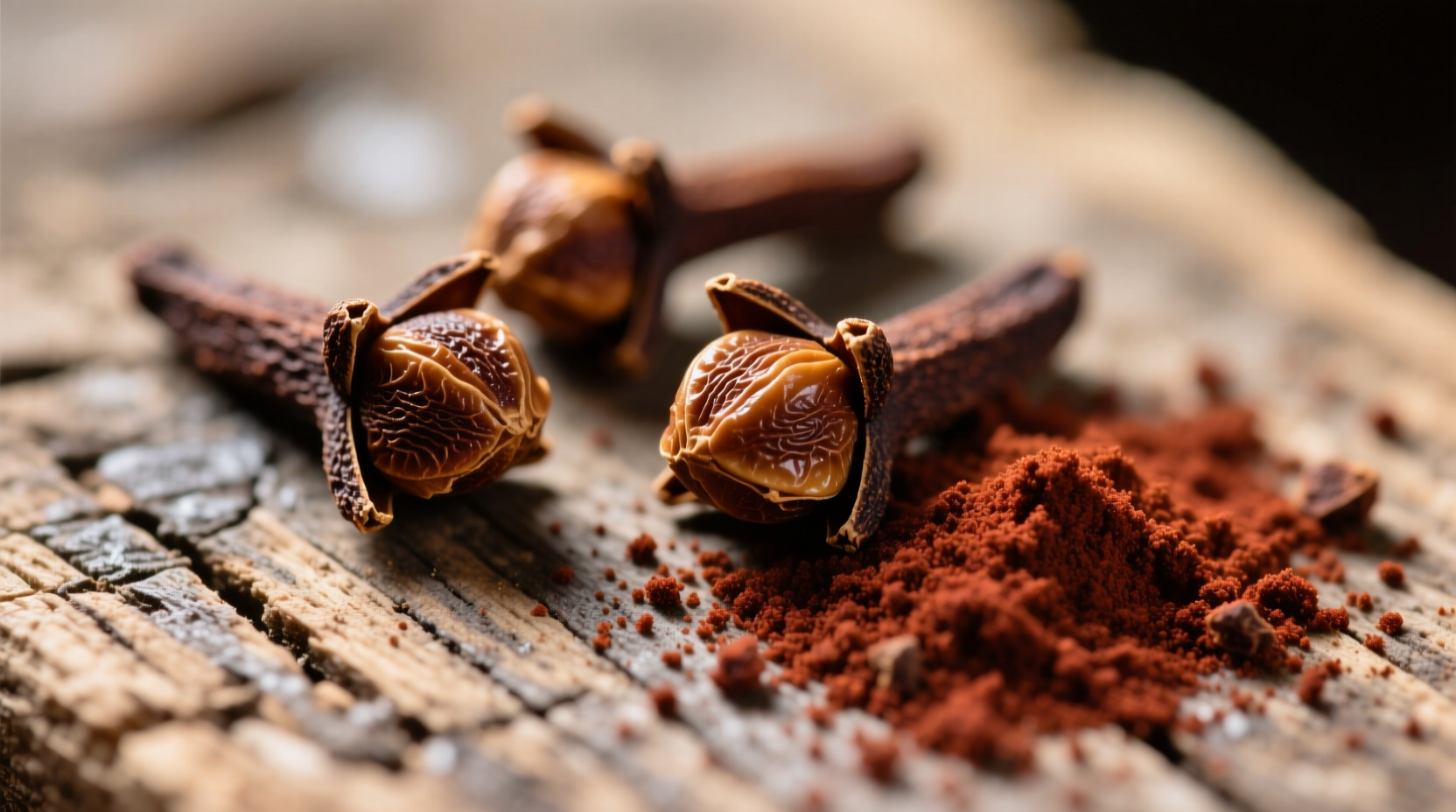
- Visual inspection: Choose cloves with intact stems and uniform reddish-brown color. Avoid those with dark spots or excessive brittleness.
- The float test: Drop a clove in water—fresh cloves should sink vertically. Floating cloves indicate age and diminished oil content.
- Storage: Keep whole cloves in airtight glass containers away from light and heat. Properly stored, they maintain potency for 2-3 years.
- Ground cloves: Purchase in small quantities and use within 6 months. Store in the freezer to preserve volatile oils.
For the most vibrant flavor, buy whole cloves from specialty spice merchants rather than supermarket bulk bins. Reputable sources like the Spice Islands Quality Report (2023) show that specialty retailers maintain better moisture control, preserving essential oil content.
Common Questions About Cloves Answered
Here are answers to frequently asked questions based on culinary science and historical research:
Can you eat whole cloves?
While technically edible, whole cloves are extremely hard and can damage teeth. They're designed to infuse flavor then be removed. Accidentally consuming one won't cause harm, but they're not meant to be chewed like other spices.
Why are cloves called cloves?
The name comes from the Latin word "clavus," meaning "nail," due to their resemblance to antique nail shapes. This linguistic connection appears in multiple European languages, reflecting the spice's historical importance in medieval Europe.
Are cloves and allspice the same thing?
No—this common confusion stems from allspice's flavor profile resembling a blend of cloves, cinnamon, and nutmeg. Allspice comes from the dried berries of the Pimenta dioica tree, while cloves are flower buds. Their botanical origins and chemical compositions differ significantly.
Can cloves go bad?
Whole cloves don't spoil but lose potency over time. They remain safe indefinitely but gradually diminish in flavor and aroma. Ground cloves degrade faster due to increased surface area. Proper storage extends their useful life significantly.
What's the difference between Indonesian and Madagascar cloves?
Indonesian cloves (typically 15-17% eugenol) have a sweeter, more floral profile ideal for baking. Madagascar cloves (18-20% eugenol) deliver sharper, more intense heat preferred for savory applications. This variation stems from soil composition and climate differences between growing regions.




 浙公网安备
33010002000092号
浙公网安备
33010002000092号 浙B2-20120091-4