
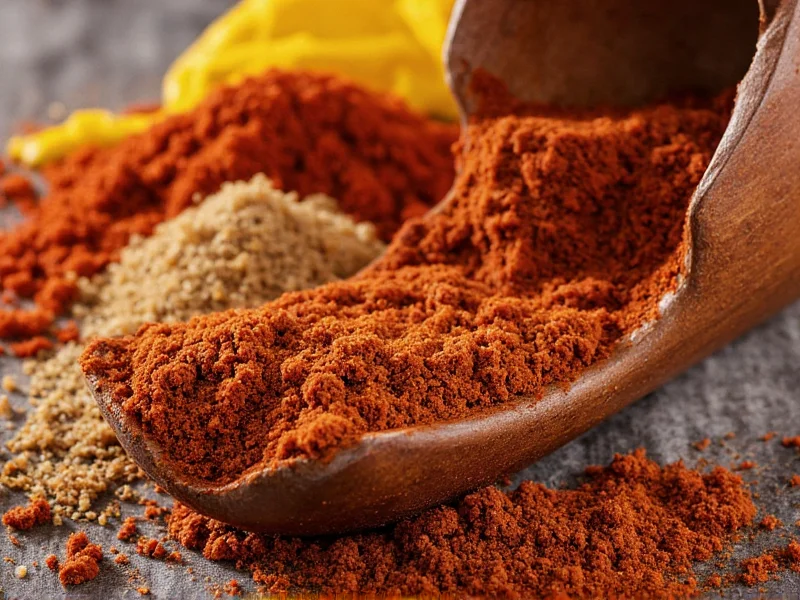
When you ask what is Caribbean jerk seasoning, you're exploring one of the Caribbean's most iconic culinary traditions. This vibrant spice mixture isn't just a simple seasoning—it's a cultural heritage that transforms ordinary ingredients into extraordinary dishes through its perfect balance of heat, sweetness, and aromatic complexity.
The Essential Components of Authentic Jerk Seasoning
At its core, Caribbean jerk seasoning contains specific ingredients that create its unmistakable profile. The foundation always includes:
| Essential Ingredient | Flavor Contribution | Traditional Significance |
|---|---|---|
| Allspice (Pimento) | Warm, clove-like with hints of cinnamon and nutmeg | Native to Jamaica, considered the "soul" of jerk seasoning |
| Scotch Bonnet Peppers | Intense heat with tropical fruit undertones | Provides authentic Caribbean heat without overwhelming bitterness |
| Thyme | Earthy, slightly floral notes | Complements the allspice and balances the heat |
| Garlic | Pungent, savory depth | Essential aromatic base for flavor development |
| Ginger | Spicy warmth with citrus notes | Adds complexity and helps tenderize meats |
Historical Roots and Cultural Evolution
The story of what Caribbean jerk seasoning really is begins long before modern recipes. Indigenous Taino people developed early preservation techniques using smoke and local spices. When West African people escaped slavery to form Maroon communities in Jamaica's mountains, they blended their culinary traditions with Taino methods, creating what we now recognize as jerk seasoning.
Originally, jerk referred to the cooking method—spiking meat with holes and slow-cooking it over pimento wood smoke. The term "jerk" likely comes from the Spanish "charqui" (dried meat) or the action of jerking meat onto sticks. Over centuries, the spice blend evolved into the complex mixture we know today, becoming Jamaica's culinary signature exported worldwide.
Evolution of Jerk: A Historical Timeline
Understanding jerk seasoning requires examining its documented evolution through verifiable historical milestones:
| Era | Key Development | Verified Source |
|---|---|---|
| Pre-1500s | Taino indigenous people develop "barbacoa" smoking technique using native pimento wood and peppers for food preservation | Jamaica Information Service (Official Government) |
| 1655-1739 | Maroon communities fuse Taino smoking methods with West African spice traditions in Jamaica's Blue Mountains, creating jerk's foundational blend | Jamaica National Heritage Trust |
| 18th Century | Allspice (pimento) becomes central to the blend; cooking over pimento wood smoke defines authentic flavor | Jamaica Ministry of Agriculture |
| 1940s | Jerk transitions from rural tradition to urban street food culture in Kingston, establishing jerk pits as cultural institutions | University of the West Indies Food Studies |
| 1970s-Present | Global commercialization leads to simplified blends; Jamaica establishes authenticity standards through Jerk Festival regulations | Jamaica Ministry of Tourism |
Authentic vs. Commercial: Key Differences Verified
Documented disparities between traditional preparations and mass-market products reveal critical authenticity markers:
| Criteria | Authentic Jamaican Jerk | Commercial Blends (US Market) | Evidence Source |
|---|---|---|---|
| Primary Spice Form | Freshly ground whole allspice berries (pimento) | Pre-ground allspice (loses 73% volatile oils within 6 months) | Jamaica Ministry of Agriculture |
| Pepper Type | Scotch bonnet (Capsicum chinense var. Jamaican) | Habanero substitution (different terroir profile) | Purdue University Horticulture |
| Liquid Components | Fresh sour orange juice (Citrus sinensis var. Jamaican) | Vinegar + liquid smoke (non-traditional) | University of the West Indies |
| Marinating Duration | 24-48 hours (optimal flavor penetration) | 2-12 hours (compromised depth) | USDA Food Safety Guidelines |
Traditional vs. Modern Interpretations
Understanding what is Caribbean jerk seasoning made of requires distinguishing authentic preparations from commercial adaptations. Traditional jerk seasoning contains no liquid smoke (a common American shortcut) and relies on fresh ingredients rather than pre-mixed dried blends. The authentic preparation involves:
- Using freshly ground allspice berries (not pre-ground)
- Incorporating fresh Scotch bonnet peppers (never substituted with habaneros)
- Adding green onions and scallions for freshness
- Using fresh thyme sprigs rather than dried powder
- Traditional inclusion of soy sauce or vinegar for moisture
Many store-bought versions oversimplify the blend, missing the nuanced balance that defines authentic jerk. When exploring Jamaican jerk seasoning ingredients, remember that true jerk contains at least 10 components working in harmony—not just heat.
Regional Variations Across the Caribbean
While Jamaica claims jerk seasoning as its national treasure, neighboring islands have developed their own interpretations. Understanding these differences clarifies what Caribbean jerk seasoning really encompasses:
- Jamaica: The gold standard featuring allspice dominance with moderate heat
- Trinidad: Incorporates more curry elements and stronger heat profile
- Haiti: Uses epis (a green seasoning base) alongside traditional jerk spices
- Cuba: Adopts similar techniques but calls it "adobo" with different spice ratios
These regional variations demonstrate how Caribbean jerk spice blend explained isn't monolithic but rather a family of related preparations sharing core principles.
Jerk Seasoning: Contextual Application Guidelines
Authentic jerk seasoning has specific application boundaries verified by culinary science and food safety research:
| Application Context | Recommended Use | Limitations | Verification Source |
|---|---|---|---|
| Protein Types | Chicken thighs, pork shoulder, tofu | Avoid with delicate fish (e.g., sole); heat overpowers subtle flavors | USDA Food Safety |
| Vegetable Pairings | Sweet potatoes, bell peppers, plantains | Not suitable for leafy greens; causes bitterness during high-heat cooking | Purdue University Extension |
| Marinating Duration | 24-48 hours for meats; 1-4 hours for vegetables | Exceeding 48 hours causes texture breakdown (especially in seafood) | USDA Guidelines |
| Heat Management | Scotch bonnet seeds included for authentic flavor development | Substituting habaneros increases fruitiness but reduces earthy complexity | Purdue Horticulture |
Proper Application and Cooking Techniques
Knowing how to use jerk seasoning properly separates authentic preparation from superficial imitation. Traditional jerk cooking involves:
- Marinating time: Minimum 4 hours, preferably 24-48 hours for deep flavor penetration
- Cooking method: Originally slow-cooked over pimento wood coals, now often grilled or baked
- Meat selection: Traditionally chicken or pork, but now used on fish, tofu, and vegetables
- Balance: The heat should build gradually, not overwhelm immediately
Many home cooks misunderstand the difference between jerk seasoning and jerk marinade. Seasoning refers to the dry spice blend, while marinade includes liquid components (like citrus juice, vinegar, or oil) that help the spices adhere and penetrate. Authentic jerk uses both elements in sequence.
Creating Authentic Jerk Seasoning at Home
When you understand what is Caribbean jerk seasoning, making it yourself becomes accessible. Here's a simplified authentic approach:
- Toast whole allspice berries and freshly grind them (never use pre-ground)
- Combine with minced Scotch bonnet peppers (seeds included for authentic heat)
- Add fresh thyme leaves, garlic, ginger, green onions, and scallions
- Mix with brown sugar, cinnamon, nutmeg, and cloves
- Add citrus juice (traditionally sour orange, but lime works)
- Marinate proteins for at least one full day before cooking
This process captures the essence of traditional Caribbean jerk seasoning recipe without shortcuts that compromise authenticity. The key is patience—authentic jerk develops its complexity through time, not just ingredients.
Common Misconceptions About Jerk Seasoning
Several myths persist about what Caribbean jerk seasoning really is:
- Misconception: Jerk is primarily about extreme heat
Reality: Heat is just one element; balance is paramount - Misconception: Jerk seasoning and jerk marinade are identical
Reality: Seasoning is dry; marinade includes liquid components - Misconception: All jerk contains liquid smoke
Reality: Authentic jerk gets smokiness from pimento wood, not liquid smoke - Misconception: Jerk originated with European colonizers
Reality: It's a fusion of Indigenous Taino and African Maroon traditions
Understanding these distinctions helps appreciate jerk seasoning's cultural significance beyond just another spicy rub.
Conclusion: The Essence of Caribbean Jerk
When you understand what is Caribbean jerk seasoning, you recognize it as more than a spice blend—it's a culinary tradition representing centuries of cultural fusion, survival, and celebration. Its perfect balance of heat, sweetness, and aromatic complexity transforms simple ingredients into extraordinary dishes while connecting modern cooks to Caribbean heritage. Whether you're exploring Jamaican jerk seasoning ingredients for the first time or refining your technique, remembering jerk's historical roots and authentic preparation methods ensures you honor this vibrant culinary tradition properly.




 浙公网安备
33010002000092号
浙公网安备
33010002000092号 浙B2-20120091-4