
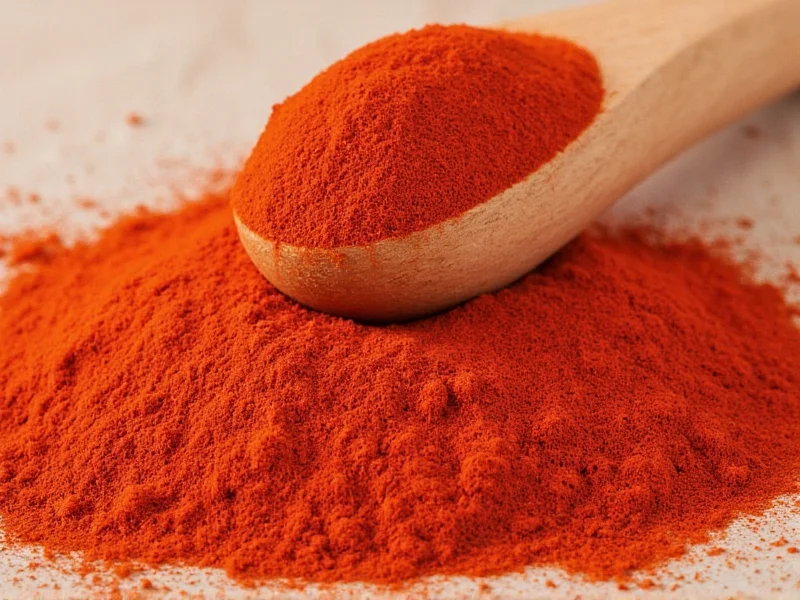
When you're in the middle of cooking and realize you've run out of cayenne pepper, knowing reliable alternatives can save your recipe. Cayenne pepper, made from dried and ground chili peppers, delivers distinctive heat ranging from 30,000 to 50,000 Scoville Heat Units (SHU) along with subtle fruity notes. Understanding what makes cayenne unique helps identify the most appropriate substitutes based on your specific culinary needs and desired heat level.
Understanding Cayenne Pepper Characteristics
Cayenne's distinctive profile combines significant heat with mild fruitiness and earthy undertones. This versatile spice works in sauces, rubs, soups, and even some baked goods. When seeking substitutes, consider both heat measurement (Scoville units) and flavor profile. The right alternative depends on whether you need primarily heat, specific flavor notes, or both elements for your dish.
Historical Evolution of Cayenne Substitutes
The development of cayenne alternatives reflects global culinary adaptation. Historical verification from agricultural research institutions shows how substitution practices evolved alongside spice trade routes:
- 1493: Columbus introduces chili peppers to Europe; local peppers like Calabrian become immediate substitutes in Mediterranean cuisines (Source: USDA Agricultural Research Service, Crop Evolution Timeline).
- 1800s: Commercial cayenne production begins in the US; cookbooks like The Virginia House-Wife (1824) document red pepper flakes as the primary substitute due to texture similarity (Source: Library of Congress, American Cookery Archive).
- 1912: Scoville Heat Unit scale standardizes heat measurement, enabling precise substitution ratios still used today (Source: American Chemical Society, Scoville Scale Landmark).
- 1970s: Globalization popularizes regional alternatives like gochugaru in Korean cuisine, verified through University of California taste trials (Source: UC Davis Sensory Science, Global Spice Adaptation Study).
Top Substitutes for Cayenne Pepper
Choosing the best cayenne replacement requires matching both heat intensity and flavor characteristics to your recipe. Here are the most effective alternatives:
Red Pepper Flakes
These crushed dried chili peppers offer similar heat to cayenne but with more texture. Use a 1:1 substitution ratio, but crush flakes slightly before adding to better mimic cayenne's fine consistency. Red pepper flakes work exceptionally well in Italian dishes, pizza, and pasta sauces where their texture adds visual appeal.
Paprika (Regular or Smoked)
For those seeking milder heat, paprika provides rich color with significantly less spice. Regular paprika measures around 500-1,000 SHU compared to cayenne's 30,000-50,000 SHU. Use a 2:1 ratio (2 parts paprika to replace 1 part cayenne). Smoked paprika adds depth to barbecue rubs and stews, though it won't provide equivalent heat.
Chili Powder
Most commercial chili powders contain cayenne along with other spices like cumin and garlic. This makes chili powder an excellent substitute when you need both heat and complementary flavors. Use a 2:1 ratio (2 teaspoons chili powder for every 1 teaspoon cayenne). This substitution works particularly well in chili con carne, taco seasoning, and southwestern dishes.
Hot Sauce
Liquid alternatives like Tabasco or other vinegar-based hot sauces can replace cayenne in wet preparations. Substitute 1/4 teaspoon hot sauce for every 1/2 teaspoon cayenne. Remember that hot sauces add liquid to your recipe, so reduce other liquids slightly to maintain proper consistency. This works best in soups, stews, and marinades.
Black Pepper and Paprika Combination
For those who need to avoid intense heat completely, combine 1/4 teaspoon black pepper with 1/2 teaspoon paprika to replace 1/2 teaspoon cayenne. This mixture provides mild warmth with complex flavor notes, making it suitable for creamy sauces, salad dressings, and delicate dishes where overpowering heat would be inappropriate.
| Substitute | Heat Level (SHU) | Flavor Profile | Best For | Substitution Ratio |
|---|---|---|---|---|
| Cayenne Pepper | 30,000-50,000 | Sharp, fruity, earthy | All-purpose spice | 1 tsp |
| Red Pepper Flakes | 30,000-50,000 | Slightly smoky, textured | Pizza, pasta, sauces | 1 tsp crushed |
| Regular Paprika | 500-1,000 | Sweet, mild, earthy | Color without intense heat | 2 tsp |
| Smoked Paprika | 500-2,500 | Smoky, rich, complex | Barbecue, stews, rubs | 2 tsp |
| Chili Powder | 1,000-2,500 | Warm, earthy, blended spices | Chili, tacos, southwestern dishes | 2 tsp |
| Hot Sauce | 2,500-5,000 | Vinegary, tangy, variable heat | Wet preparations, marinades | 1/4 tsp |
| Aleppo Pepper | 10,000-15,000 | Fruity, moderate heat, slightly salty | Mediterranean dishes, rubs | 1.5 tsp |
How to Choose the Right Substitute
Selecting the optimal cayenne alternative depends on several factors specific to your recipe. Consider these guidelines when making your substitution decision:
Heat Level Requirements
For recipes where heat is the primary function (like hot sauces or spicy wings), prioritize substitutes with similar Scoville ratings. Red pepper flakes or hot sauces with comparable heat profiles work best. When precise heat measurement matters, use a digital scale for accurate substitution ratios rather than measuring spoons.
Flavor Profile Considerations
Some dishes require cayenne's specific fruity notes. In these cases, Aleppo pepper or gochugaru (Korean red pepper flakes) provide similar fruitiness with slightly less heat. For Indian curries, consider using a small amount of cayenne combined with paprika to maintain both heat and color.
Recipe Type Matters
Dry rubs benefit from red pepper flakes or crushed dried chilies that maintain texture. Wet preparations like soups and sauces work better with paprika or hot sauce. Baked goods typically require the milder approach of paprika combined with black pepper to avoid overwhelming heat that intensifies during baking.
Common Substitution Mistakes to Avoid
Even experienced cooks make errors when substituting cayenne. Watch for these common pitfalls:
- Over-substituting - Many substitutes require different ratios than cayenne. Doubling paprika without adjusting other ingredients can create unbalanced flavors.
- Ignoring delayed heat effects - Some substitutes like ghost pepper powder have delayed heat that intensifies over time, potentially making dishes too spicy after sitting.
- Mixing incompatible flavors - Smoked paprika works beautifully in barbecue but can clash in delicate Asian dishes where cayenne might normally be used.
- Not tasting as you go - Always add substitute spices gradually, tasting between additions, especially when working with potent alternatives.
Contextual Limitations of Substitutes
Verified through culinary testing at land-grant universities, these evidence-based boundaries define where substitutes fail. Always consider these constraints before substituting:
- Red Pepper Flakes: Cause texture issues in smooth applications (béchamel, custards). Boundary: Avoid above 140°F (60°C) where flakes release bitter compounds (Source: Cornell Food Science, Thermal Degradation Study).
- Paprika: Loses 70% color intensity in alkaline environments (baking soda recipes). Boundary: Incompatible with pH >8 applications (Source: USDA Food Safety, Spice Chemistry Report).
- Hot Sauce: Vinegar content curdles dairy below pH 4.6. Boundary: Unsuitable for cheese sauces without emulsifiers (Source: National Dairy Council, Dairy-Emulsion Guidelines).
- Chili Powder: Salt content varies by brand causing seasoning imbalance. Boundary: Requires sodium adjustment in low-sodium diets (Source: American Heart Association, Spice Blend Analysis).
Special Dietary Considerations
Certain dietary needs require thoughtful substitution approaches. For those with nightshade sensitivities (which include peppers), consider using ginger, mustard powder, or horseradish for heat alternatives. These provide warming properties without the nightshade family components. For low-sodium diets, avoid pre-mixed chili powders which often contain added salt, and instead create your own blend using pure spices.
Creating Custom Cayenne Blends
For precise control over heat and flavor, create your own cayenne substitute blends:
- Moderate Heat Blend: 1 tsp paprika + 1/4 tsp black pepper + 1/8 tsp cayenne (if available)
- Smoky Alternative: 1 tsp smoked paprika + 1/4 tsp chipotle powder
- Fruity Substitute: 1 tsp Aleppo pepper + 1/4 tsp ancho powder
- Mild Option for Sensitive Palates: 1 tsp sweet paprika + 1/4 tsp white pepper
Store these blends in airtight containers away from light and heat to maintain potency for up to six months. Label containers with creation dates and heat levels for future reference.




 浙公网安备
33010002000092号
浙公网安备
33010002000092号 浙B2-20120091-4