
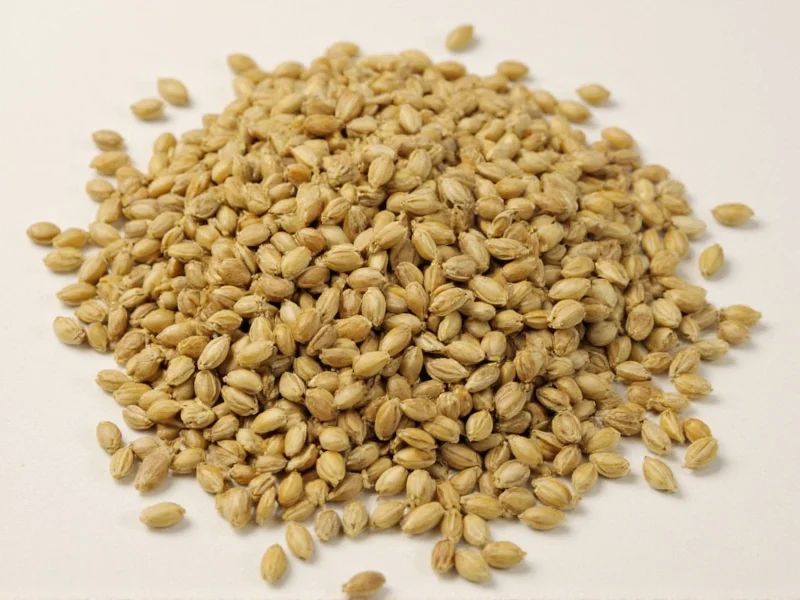
The best substitutes for caraway seeds are fennel seeds (use 1:1 ratio), dill seeds (3:4 ratio), anise seeds (1:1 ratio with caution), or a blend of cumin and coriander (1:1 ratio). Each alternative offers a similar earthy, slightly sweet flavor profile with subtle citrus and licorice notes that work well in rye bread, goulash, sauerkraut, and other traditional recipes calling for caraway.
When you're in the middle of preparing traditional European dishes and realize you're out of caraway seeds, knowing reliable alternatives can save your recipe. Caraway seeds provide a distinctive flavor that's essential in many classic preparations, from hearty rye bread to authentic goulash. Understanding what makes caraway unique helps you select the most appropriate substitute for your specific culinary needs.
Understanding Caraway Seeds and Their Role in Cooking
Caraway seeds come from the caraway plant (Carum carvi), a member of the parsley family. These crescent-shaped seeds deliver a complex flavor profile: earthy with subtle citrus notes, a hint of pepper, and a distinctive licorice-like undertone. This unique combination makes them indispensable in traditional Central and Eastern European cuisine.
Chefs and home cooks rely on caraway seeds for specific applications where their flavor shines:
- Rye bread and other traditional European breads
- German sauerkraut preparations
- Hungarian goulash and stews
- Certain cheese varieties like havarti
- Some sausage recipes
- Traditional liqueurs and aquavits
Top Caraway Seed Substitutes Compared
When selecting a caraway substitute, consider both the flavor profile and the specific dish you're preparing. The following table compares the most effective alternatives for replacing caraway seeds in your recipes:
| Substitute | Flavor Profile Comparison | Best For | Substitution Ratio |
|---|---|---|---|
| Fennel seeds | Slightly sweeter, milder licorice note | Rye bread, sauerkraut, soups | 1:1 |
| Dill seeds | More herbaceous, less sweet | Sauerkraut, potato dishes, pickling | 3:4 (use slightly less) |
| Anise seeds | Stronger licorice flavor | Baked goods, liqueurs | 1:1 (use cautiously) |
| Cumin + coriander blend | Earthy with citrus notes | Meat dishes, stews, goulash | 1:1 (equal parts) |
| Cardamom | Floral, complex, less earthy | Baked goods, some breads | 1:1 (use sparingly) |
Detailed Analysis of Each Caraway Seed Alternative
Fennel Seeds: The Closest Match
Fennel seeds offer the most similar flavor profile to caraway, with their mild licorice notes and slight sweetness. While fennel has a brighter, more pronounced anise flavor, it works exceptionally well as a 1:1 replacement in most applications. When substituting fennel for caraway seeds in rye bread recipes, you'll notice a slightly sweeter, more aromatic result that still maintains the traditional character.
Professional bakers often recommend toasting fennel seeds lightly before use to enhance their earthy qualities and bring them closer to caraway's distinctive profile. This simple technique makes fennel an excellent choice for what to use instead of caraway seeds in traditional European breads.
Dill Seeds: The Savory Alternative
Dill seeds provide a more herbaceous, less sweet alternative that works particularly well in savory applications. While fresh dill weed has a completely different flavor, the seeds share some earthy characteristics with caraway. When determining how to substitute dill seeds for caraway, use about 25% less than the recipe calls for, as dill seeds have a more subtle flavor.
This substitution works best in sauerkraut preparations, potato salads, and certain meat dishes where the distinctive licorice note isn't as critical. Dill seeds won't replicate caraway's full complexity but provide a satisfactory alternative when other options aren't available.
Anise Seeds: For Stronger Licorice Flavor
Anise seeds deliver a more intense licorice flavor than caraway, making them suitable when that characteristic note is essential to the dish. Use anise seeds as a 1:1 replacement but consider reducing the amount by 20-25% if you're sensitive to strong licorice flavors.
This substitute works particularly well in baked goods and traditional liqueurs where the pronounced anise flavor is desirable. However, anise seeds aren't ideal for savory meat dishes where caraway's earthier notes are preferred. When searching for what spice can replace caraway in sweet applications, anise often proves the most satisfactory option.
Cumin and Coriander Blend: The Earthy Combination
For recipes where caraway's earthy notes are more important than its licorice character, a 50/50 blend of cumin and coriander creates a surprisingly effective substitute. The citrus notes of coriander complement cumin's earthiness to approximate caraway's complex profile.
This combination works exceptionally well in goulash, stews, and meat dishes. Use equal parts of both spices to replace caraway seeds measure for measure. The resulting flavor won't be identical, but it provides a satisfying depth that serves the dish well. This blend represents one of the most practical solutions for what to substitute for caraway seeds in hearty meat preparations.
Recipe-Specific Substitution Recommendations
Not all caraway substitutes work equally well across different applications. Consider these specific recommendations when replacing caraway seeds:
For Rye Bread and Other Baked Goods
Fennel seeds provide the closest match for traditional rye bread. For a more complex flavor, try a blend of 3 parts fennel seeds to 1 part anise seeds. If you're wondering what can I use instead of caraway seeds in bread recipes, this combination delivers the most authentic results.
For Sauerkraut and Pickled Vegetables
Dill seeds work particularly well in sauerkraut preparations, providing a complementary herbal note without overwhelming the dish. Use about 3/4 teaspoon of dill seeds for every teaspoon of caraway called for in the recipe. This substitution maintains the traditional character while offering a slightly different flavor profile.
For Goulash and Hearty Stews
A blend of cumin and coriander creates the most satisfying substitute for caraway in Hungarian goulash and similar meat dishes. Use equal parts of both spices to replace caraway measure for measure. This combination provides the earthy depth caraway contributes without the pronounced licorice note, which may be preferable in some interpretations of the dish.
Creating Your Own Caraway Substitute Blend
For the most versatile caraway alternative, create a custom spice blend you can keep on hand:
- 2 parts fennel seeds
- 1 part cumin seeds
- 1 part coriander seeds
- Small pinch of anise seeds (optional)
Grind these together in a spice grinder or mortar and pestle. Store in an airtight container away from light. This blend captures caraway's essential characteristics while providing flexibility across various recipes. When you need a reliable substitute for caraway seeds in multiple applications, this custom mix delivers consistent results.
When Substitutes Won't Work Well
While these alternatives work well in most situations, certain traditional recipes rely so heavily on caraway's unique flavor that substitutes may disappoint. Authentic Czech caraway cake (koprivnik) and some traditional German breads derive their distinctive character primarily from caraway. In these cases, the best solution is to purchase caraway seeds specifically for the recipe.
For everyday cooking and most applications, however, the substitutes outlined above provide satisfactory alternatives that maintain the integrity of your dishes. Understanding what spice is similar to caraway seeds helps you adapt recipes confidently when your pantry lacks this specific ingredient.
Frequently Asked Questions
Can I use caraway powder instead of caraway seeds?
Yes, you can substitute caraway powder for caraway seeds at a 1:1 ratio by volume. However, ground caraway loses its flavor more quickly, so use freshly ground powder for best results. For long-cooking dishes, whole seeds provide more consistent flavor throughout the cooking process.
What's the difference between caraway and cumin?
Caraway has a sweeter, more complex flavor with distinct citrus and licorice notes, while cumin delivers a stronger earthy, smoky flavor with less sweetness. Visually, caraway seeds are smaller and curved, while cumin seeds are straighter and larger. They're not interchangeable without adjusting other ingredients in the recipe.
How should I store caraway seeds to maintain freshness?
Store caraway seeds in an airtight container away from light and heat. Properly stored, they'll maintain their flavor for 1-2 years. For maximum freshness, buy whole seeds and grind them as needed rather than purchasing pre-ground caraway.
Can I substitute caraway seeds in sauerkraut?
Yes, dill seeds make an excellent substitute for caraway in sauerkraut at a 3:4 ratio (use 3/4 teaspoon dill for every teaspoon of caraway). Fennel seeds also work well as a 1:1 replacement, providing a similar aromatic quality that complements the fermented cabbage.
What's the best substitute for caraway seeds in rye bread?
Fennel seeds are the best substitute for caraway in rye bread, used at a 1:1 ratio. For a more complex flavor closer to traditional caraway-infused rye bread, toast the fennel seeds lightly before incorporating them into your dough.




 浙公网安备
33010002000092号
浙公网安备
33010002000092号 浙B2-20120091-4