

When you're growing chili peppers and suddenly notice a fruit that looks nothing like the variety you planted, you've likely encountered a sport pepper. These botanical anomalies fascinate gardeners and horticulturists alike, representing nature's unpredictable genetic experimentation.
Understanding Pepper Plant Sports
Sport peppers occur due to spontaneous genetic mutations during cell division in the plant's meristem—the actively growing tissue responsible for new growth. Unlike hybrids created through deliberate cross-pollination, sports emerge randomly on otherwise stable plants. These mutations affect only certain parts of the plant, creating what horticulturists call "chimeras"—plants with genetically different tissues growing side by side.
The scientific term for this phenomenon is somatic mutation, which differs from mutations passed through seeds. When a pepper plant produces a sport, it means that a section of the plant's growing tip has experienced a genetic change that affects fruit development. This explains why you might find one unusual pepper among dozens of normal ones on the same plant.
| Characteristic | Regular Pepper | Sport Pepper |
|---|---|---|
| Genetic Origin | Stable variety | Somatic mutation |
| Appearance Consistency | Uniform across plant | Differs from parent plant |
| Heat Level | Predictable | May vary significantly |
| Propagation | True to seed | Requires cloning for stability |
Identifying Sport Pepper Characteristics
Sport peppers often display dramatic differences from their parent plants. Common variations include:
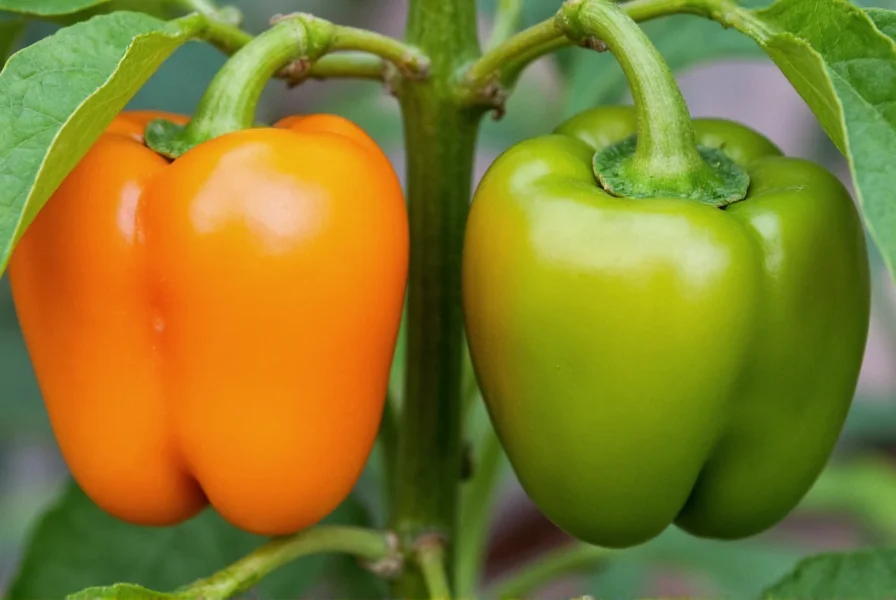
- Color changes—a red bell pepper plant producing yellow or orange fruits
- Shape alterations—blocky bell peppers developing elongated forms
- Size differences—significantly larger or smaller fruits than typical
- Heat level shifts—mild peppers producing unexpectedly hot fruits
- Texture variations—changes in skin thickness or flesh density
One famous example in horticultural history is the 'Purple Beauty' bell pepper, which originated as a sport from a standard red bell pepper variety. These mutations aren't limited to appearance—sometimes sport peppers develop entirely new flavor profiles that delight culinary enthusiasts exploring unique chili pepper sport characteristics.
Are Sport Peppers Edible and Safe?
Many gardeners wonder if these unexpected fruits are safe to consume. The answer is unequivocally yes—sport peppers pose no health risks. The genetic mutation affects only physical characteristics, not safety. However, the flavor and heat level might surprise you, especially if you've encountered a sport from a normally mild variety suddenly producing hot peppers.
When evaluating whether to eat a sport pepper, consider:
- Has the fruit fully matured? Immature peppers may taste bitter
- Does it show signs of disease or pest damage? (Sports themselves aren't diseased)
- How does the heat level compare to expectations? Always test cautiously
Professional chefs sometimes seek out sport peppers for their unique qualities, incorporating these naturally occurring variations into specialty dishes that highlight distinctive pepper plant genetic variation.
Propagation Possibilities for Sport Peppers
One of the most intriguing aspects of sport peppers is whether you can preserve these unique traits. Since sports originate from somatic mutations rather than seed genetics, planting seeds from a sport pepper typically produces plants with the original characteristics, not the sport features.
To maintain a sport's unique qualities, you must propagate vegetatively through cuttings. This cloning process preserves the mutated tissue. Many commercial pepper varieties actually began as sports that growers successfully propagated, including certain ornamental pepper varieties prized for their unusual colors.
Frequency and Significance in Agriculture
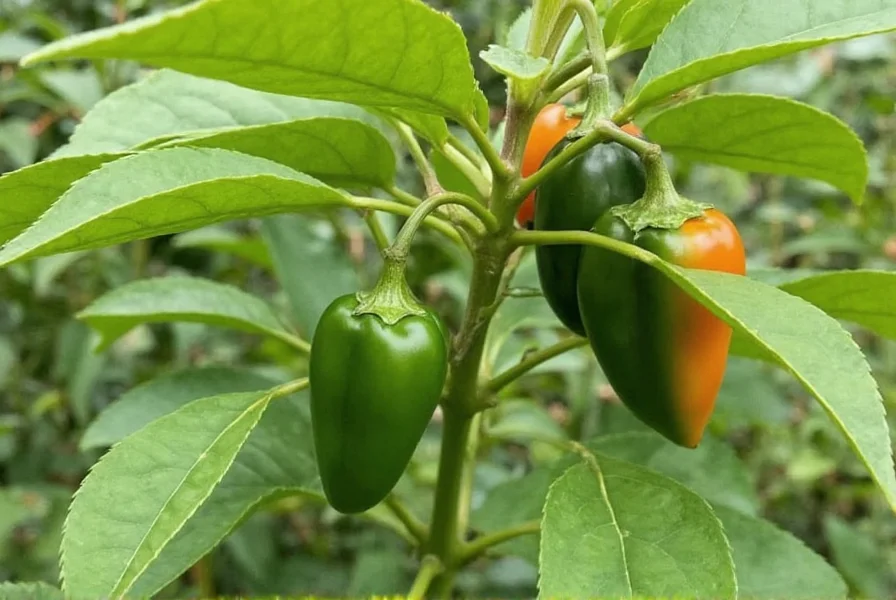
Sport peppers occur more frequently than many gardeners realize. In commercial pepper production, growers might notice one sport per several hundred plants. While most go unremarked upon, significant sports can lead to new cultivars. The horticulture industry carefully monitors these mutations, as they represent potential improvements in disease resistance, yield, or consumer appeal.
Understanding how do sport peppers form helps breeders develop new varieties without genetic engineering. By recognizing and propagating beneficial sports, growers have developed numerous pepper varieties with improved characteristics—a natural form of selective breeding that's been practiced for centuries.
Historical Case Study: The Fish Pepper Evolution
One of the most documented sport pepper success stories is the Fish pepper, which originated as a spontaneous mutation of the Tabasco pepper (Capsicum frutescens) in the Chesapeake Bay region. This case illustrates how a single sport can evolve into a culturally significant cultivar through preservation efforts:
| Period | Development Stage |
|---|---|
| Early 19th Century | First observed as a variegated sport on Tabasco pepper plants, featuring pale green to white stripes and higher heat levels |
| Mid-1800s | Adopted by African American seafood workers for its unique property: adding heat to dishes without altering color (crucial for "white" crab and fish sauces) |
| 1940s-1980s | Nearly extinct due to commercial agriculture's focus on uniform varieties; preserved only in a few home gardens |
| 1995 | Rediscovered by William Woys Weaver and reintroduced through Seed Savers Exchange |
| 2000s-Present | Stabilized through selective propagation; now available from multiple seed companies as a heritage variety with consistent traits |
This evolution from spontaneous mutation to stabilized cultivar required decades of careful vegetative propagation to maintain the sport's characteristics before seed lines could be developed. The Fish pepper's journey demonstrates how sports can contribute to agricultural biodiversity when properly documented and preserved.
Source: Seed Savers Exchange: Fish Pepper History
Practical Considerations for Gardeners
If you discover a sport pepper on your plant, consider these steps:
- Document the differences with photographs and notes
- Allow the fruit to fully mature before harvesting
- Take cuttings from the sporting branch for propagation
- Save seeds from both normal and sport fruits for comparison
- Evaluate flavor and heat characteristics carefully
Remember that finding a sport pepper doesn't indicate problems with your growing conditions—it's simply nature's genetic variation at work. Many experienced gardeners view these occurrences as exciting opportunities rather than anomalies.
Contextual Factors Affecting Sport Occurrence
Sport pepper formation occurs within specific environmental and genetic contexts. Recognizing these boundaries helps gardeners distinguish true sports from other growth anomalies:
- Varietal susceptibility: Certain varieties (notably heirloom types like Tabasco peppers) demonstrate higher natural mutation rates, as evidenced by historical cases like the Fish pepper
- Environmental triggers: Stressors including extreme temperatures, drought, or physical damage to meristem tissue increase the likelihood of somatic mutations (RHS, 2020)
- Plant maturity: Sports typically appear during active fruiting phases in mature plants, rarely in seedlings
- Localized expression: Mutations affect only specific branches—adjacent growth remains genetically original, requiring precise cutting selection for propagation
These factors don't cause sports but create conditions where genetic instabilities are more likely to manifest. Notably, sports remain rare events even under these conditions, typically occurring in fewer than 1 in 500 plants under optimal growing circumstances.
Source: Royal Horticultural Society: Understanding Sports in Plants
Conclusion: Embracing Nature's Experimentation
Sport peppers represent one of nature's fascinating experiments in genetic variation. These spontaneous mutations create unique fruits that delight gardeners and challenge our understanding of plant genetics. Whether you're a home gardener or commercial producer, recognizing and understanding sport peppers enhances your appreciation for the dynamic nature of plant biology.
When you encounter a pepper that defies expectations, take a closer look—you might be holding the next breakthrough variety that could delight palates worldwide. The next time someone asks about the difference between sport peppers and regular peppers, you'll understand this natural phenomenon that continues to shape our agricultural landscape.




 浙公网安备
33010002000092号
浙公网安备
33010002000092号 浙B2-20120091-4