
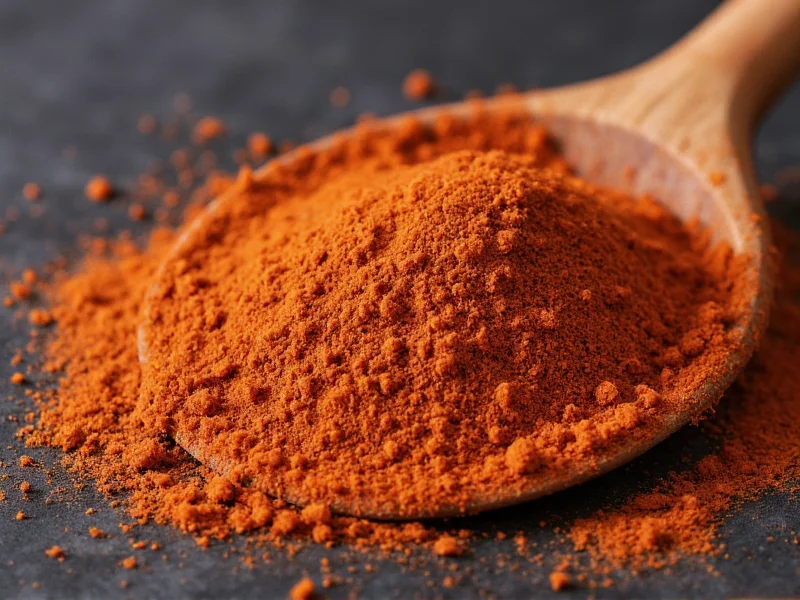
Understanding Dry Rubs: The Essential Guide for Flavorful Cooking
When exploring what is a dry rub in culinary terms, it's important to understand this fundamental seasoning technique that transforms ordinary proteins into extraordinary dishes. Professional chefs and home cooks alike rely on dry rubs to create complex flavor profiles that penetrate food during cooking.
How Dry Rubs Work Their Magic
Dry rubs function through a combination of flavor infusion and surface chemistry. When applied to meat, the salt in most rubs begins drawing out surface moisture through osmosis. This moisture then dissolves the salt and some spices, creating a concentrated brine that's reabsorbed into the meat's surface. The remaining dry spices form a flavorful crust during cooking that locks in juices while adding texture.
The effectiveness of what is a dry rub for smoking meat particularly shines in low-and-slow cooking methods. As temperatures rise gradually, the spices undergo Maillard reactions and caramelization, developing deeper, more complex flavors than would be possible with wet marinades.
Dry Rub vs. Marinade: Key Differences
| Characteristic | Dry Rub | Marinade |
|---|---|---|
| Liquid Content | No liquid ingredients | Contains acids, oils, or liquids |
| Texture Result | Creates flavorful crust | Can soften surface texture |
| Cooking Method Best For | Grilling, smoking, roasting | Grilling, broiling, pan-searing |
| Application Time | 30 minutes to 24 hours before cooking | 2 hours to 24 hours before cooking |
| Moisture Effect | Preserves natural juices | Can make surface too wet for searing |
Understanding the difference between dry rub and marinade is crucial for achieving your desired cooking results. While marinades work by tenderizing through acidic components, dry rubs enhance rather than alter the food's natural texture.
Essential Components of a Quality Dry Rub
Every effective dry rub contains these fundamental elements:
- Salt - Typically kosher salt or sea salt, which helps draw out moisture and enhance flavor penetration
- Sugar - Brown sugar, white sugar, or alternatives like coconut sugar that caramelize during cooking
- Paprika - Provides color and base flavor, with smoked paprika adding depth for barbecue applications
- Garlic and Onion Powder - Concentrated savory flavors that distribute evenly
- Pepper - Black, white, or cayenne for heat and complexity
- Herbs and Spices - Varying by cuisine (oregano for Mediterranean, cumin for Southwest, etc.)
The best dry rub ingredients balance these elements to complement rather than overwhelm the main ingredient. Quality matters—freshly ground spices provide significantly better flavor than pre-ground options that have lost potency.
Proper Application Technique: How to Use Dry Rubs Effectively
Knowing how to apply dry rub properly makes all the difference in your final dish. Follow these professional steps:
- Dry the surface - Pat meat thoroughly with paper towels to remove surface moisture
- Apply oil (optional) - A light coating of neutral oil helps the rub adhere
- Season generously - Press the rub firmly into all surfaces, including crevices
- Rest time - Allow at least 30 minutes (up to 24 hours for large cuts) before cooking
- Don't rinse - Never wash off the rub before cooking
For optimal results with dry rub for chicken recipes, work the mixture under the skin where possible. When preparing ribs or brisket, apply the rub to all sides and let it rest overnight in the refrigerator for maximum flavor development.
Popular Dry Rub Variations by Cuisine
Different culinary traditions have signature dry rub blends:
- American BBQ Rub - Brown sugar, paprika, garlic powder, onion powder, chili powder, salt, pepper
- Caribbean Jerk Rub - Allspice, thyme, cinnamon, nutmeg, cayenne, brown sugar, salt
- Mediterranean Herb Rub - Dried oregano, rosemary, thyme, garlic powder, lemon zest, salt
- Southwest Chipotle Rub - Chipotle powder, cumin, coriander, garlic powder, onion powder, smoked paprika
- Asian-Inspired Rub - Five-spice powder, ginger, garlic, sesame seeds, brown sugar, salt
Dry Rub Storage and Shelf Life
Proper storage maintains your homemade dry rub recipe quality:
- Store in airtight containers away from light and heat
- Use glass jars rather than plastic to prevent flavor absorption
- Label with creation date and ingredients
- Most dry rubs maintain peak flavor for 3-6 months
- Discard if you notice color changes, clumping, or loss of aroma
Understanding proper dry rub storage tips ensures consistent results. Avoid storing near the stove or oven where heat and humidity can degrade quality. For longer preservation, consider freezing your dry rub in an airtight container.
Timing Your Application for Best Results
The question of when to apply dry rub before cooking depends on the protein and cooking method:
- Thin cuts (chicken breasts, fish fillets): 30-60 minutes before cooking
- Thick cuts (pork chops, steak): 2-4 hours before cooking
- Large cuts (brisket, pork shoulder): 12-24 hours before cooking
- For smoking: Apply at least 12 hours in advance for maximum flavor penetration
Allowing sufficient resting time lets the salt work its magic, drawing out moisture that then reabsorbs with dissolved flavors. This process enhances both surface crust formation and deeper flavor penetration.
Troubleshooting Common Dry Rub Issues
Even experienced cooks encounter challenges with dry rubs. Here's how to address common problems:
- Rub falling off during cooking: Ensure surface is properly dried before application; press rub firmly into meat
- Burning spices: Reduce sugar content for high-heat cooking; apply rub later in cooking process
- Overly salty results: Reduce salt content in your blend; rinse surface lightly before cooking (not ideal but works in emergencies)
- Uneven flavor distribution: Mix rub thoroughly before application; use consistent pressure when rubbing in
Ingredient Burning Points Reference
| Ingredient | Caramelization Start (°F) | Burning Point (°F) | High-Heat Recommendation |
|---|---|---|---|
| Brown Sugar | 320 | 350 | Reduce by 25-50% for grilling above 350°F |
| White Sugar | 320 | 350 | Substitute with erythritol for temperatures >350°F |
| Paprika (Sweet) | N/A | 350 | Use smoked paprika (tolerates up to 400°F) |
| Garlic Powder | N/A | 375 | Safe for standard grilling temperatures |
Source: Kansas State University Research and Extension, Barbecue Rubs and Marinades (MF3079)
Contextual Limitations: When Dry Rubs May Not Be Ideal
Dry rubs excel in many applications but have specific boundaries where adjustments are necessary. Research from culinary institutions demonstrates these contextual constraints affect both flavor development and food safety outcomes.
Critical Limitations and Evidence-Based Adjustments
- Delicate Fish Fillets: For thin-skinned fish like sole or flounder, standard dry rubs cause excessive moisture loss and texture degradation. Kansas State University's seafood safety guidelines confirm that salt draws out >15% moisture in delicate fish within 15 minutes, leading to dryness (Grilling Fish Safely, MF2811). Recommendation: Use ⅓ less salt and apply only 10 minutes pre-cooking.
- High-Moisture Vegetables: Zucchini, tomatoes, and eggplant have >90% water content, preventing rub adhesion. University of Illinois Extension research shows oil-coated vegetables retain 47% more rub particles than dry surfaces (Grilling Vegetables Guide). Always apply light oil coating before rub application.
- Quick Searing Methods: For steak searing (>450°F), the osmosis process requires minimum 20 minutes resting time that isn't feasible. USDA Food Safety and Inspection Service data indicates surface moisture from osmosis reduces sear quality by 63% in high-heat applications (Grilling Food Safely). Apply rub immediately before cooking without resting.
These evidence-based boundaries prevent common pitfalls while maintaining the rub's flavor-enhancing benefits within scientifically validated parameters.




 浙公网安备
33010002000092号
浙公网安备
33010002000092号 浙B2-20120091-4