
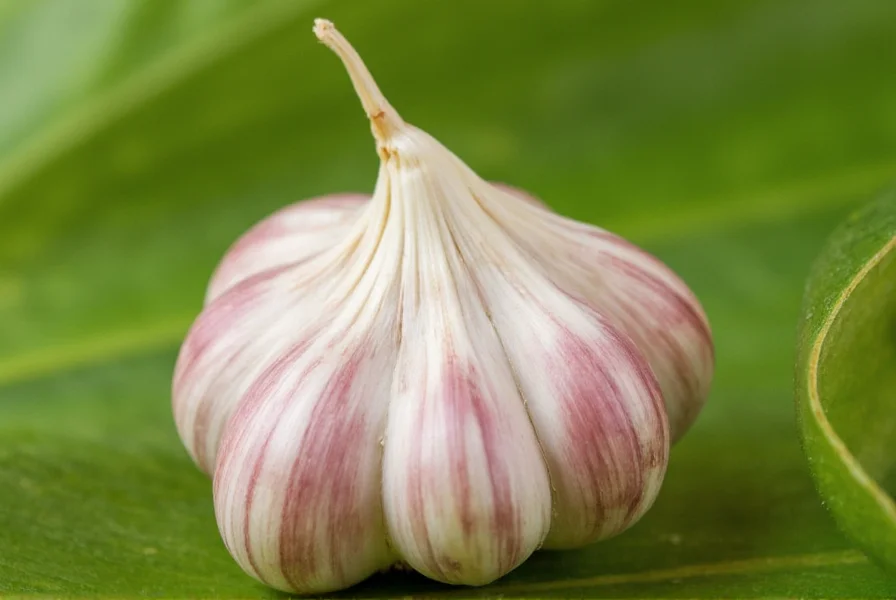
Understanding what a garlic clove is essential for anyone who enjoys cooking or wants to incorporate this versatile ingredient into their diet. While the term might seem confusing at first, it's actually quite simple once you see a garlic bulb broken down.
Garlic Clove: The Basic Unit of Flavor
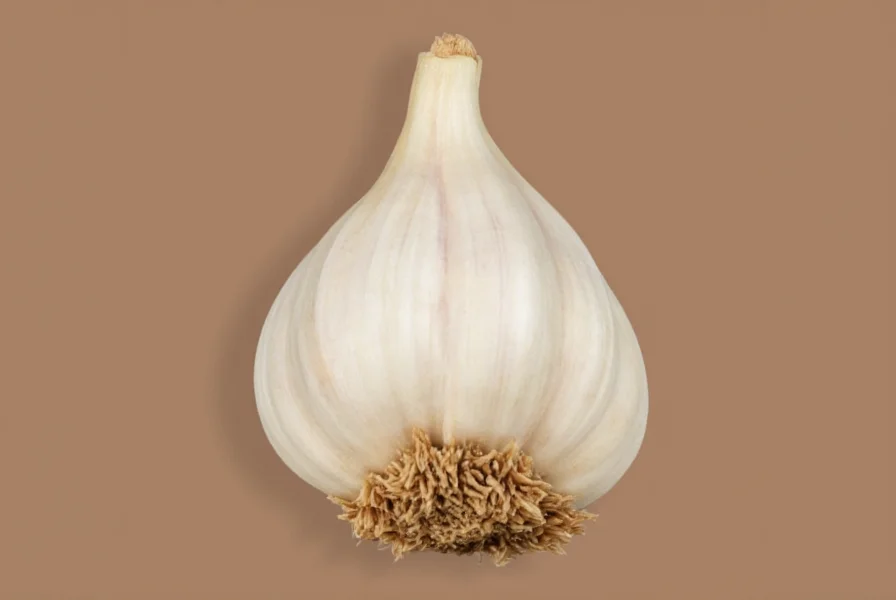
When you purchase garlic at the store, you typically get a whole bulb, which is the round, multi-segmented head of garlic. Inside this bulb are individual sections called cloves. Each garlic bulb usually contains 10-20 cloves, though this varies by variety. The cloves are arranged in layers around the bulb's central stem.
Physical Characteristics of a Garlic Clove
A single garlic clove has a distinctive shape—typically asymmetrical with one pointed end and one flat end where it was attached to the bulb's core. The size of individual cloves can vary significantly, even within the same bulb. Larger cloves come from bigger garlic varieties like elephant garlic (though technically a leek), while smaller, more potent cloves come from hardneck varieties.
The outer layer of each clove is covered in a thin, translucent skin that protects the moist, ivory-colored flesh inside. When cut open, fresh garlic cloves reveal a firm, slightly moist interior that releases garlic's characteristic aroma when damaged.
| Garlic Component | Description | Typical Quantity |
|---|---|---|
| Garlic Bulb | The entire head of garlic | 1 per purchase |
| Garlic Clove | Individual segment within the bulb | 10-20 per bulb |
| Garlic Skin | Papery outer layer of each clove | 1 layer per clove |
How to Identify and Prepare a Garlic Clove
When a recipe calls for "one clove of garlic," it means a single segment from the bulb. To use a garlic clove in cooking, you'll typically need to:
- Separate the clove from the bulb by gently breaking it off
- Peel the papery skin (methods include crushing with the flat side of a knife to loosen the skin)
- Prepare according to recipe needs: mince, slice, crush, or leave whole
Many home cooks wonder how many cloves in a garlic bulb they can expect. As mentioned, most standard grocery store bulbs contain between 10-20 cloves, with larger bulbs generally having more segments. The outer cloves tend to be larger than those in the inner layers.
Culinary Uses of Garlic Cloves
Garlic cloves serve as the foundation for flavor in countless dishes worldwide. When raw, they deliver a sharp, spicy bite that can dominate a dish if used excessively. Cooking transforms garlic, mellowing its flavor and creating rich, nutty notes.
Chefs often consider what does a garlic clove look like when selecting garlic at the market. Look for firm, plump cloves without soft spots or green sprouts (which indicate aging). The skin should be dry and papery, not moist or moldy.
Understanding garlic clove vs garlic bulb is crucial for proper measurement in recipes. One medium garlic clove yields approximately 1/2 teaspoon of minced garlic or 1 teaspoon of chopped garlic. When substituting jarred minced garlic, remember that fresh always provides superior flavor.
Nutritional Benefits of Garlic Cloves
Despite their small size, individual garlic cloves pack a nutritional punch. A single raw garlic clove (about 3 grams) contains:
- Approximately 4-5 calories
- 0.2 grams of protein
- 1 gram of carbohydrates
- Trace amounts of vitamins C and B6
- Small amounts of manganese and selenium
- Allicin and other beneficial sulfur compounds
The compound allicin, which forms when garlic is cut or crushed, is responsible for many of garlic's health benefits, including potential cardiovascular support and immune system enhancement.
Common Questions About Garlic Cloves
Many home cooks have questions about how to use garlic cloves in cooking effectively. The key is understanding that cooking time and method dramatically affect the final flavor. Sautéing garlic briefly in oil creates a mellow flavor, while roasting whole cloves transforms them into sweet, spreadable delights. Be careful not to burn garlic, as it becomes bitter quickly.
When recipes specify what is the difference between a garlic clove and a garlic bulb, they're usually clarifying measurement. Remember: a bulb is the entire head, while a clove is one segment. This distinction matters because recipes typically specify cloves rather than bulbs.
How many teaspoons is one garlic clove?
One medium garlic clove equals approximately 1/2 teaspoon of minced garlic or 1 teaspoon of chopped garlic. The exact measurement can vary based on the clove's size and how finely you chop it.
Can I eat raw garlic cloves?
Yes, you can eat raw garlic cloves, but they have a very strong, pungent flavor and can cause digestive discomfort for some people. Raw garlic contains the highest concentration of allicin, the compound responsible for many of garlic's health benefits.
How do I easily peel a garlic clove?
To easily peel a garlic clove, place it on a cutting board and press down firmly with the flat side of a chef's knife. This loosens the skin, making it simple to remove. Alternatively, you can shake cloves in a sealed container to separate the skins.
Why does my garlic clove have a green sprout?
A green sprout in the center of a garlic clove indicates the garlic is older and beginning to grow. While still safe to eat, the sprout can taste bitter. Simply cut the clove in half lengthwise and remove the green sprout before using.
How should I store individual garlic cloves?
Store peeled garlic cloves in an airtight container in the refrigerator for up to 1 week. For longer storage, place cloves in olive oil and refrigerate for up to 2 weeks. Never store peeled garlic at room temperature as it can develop botulism.




 浙公网安备
33010002000092号
浙公网安备
33010002000092号 浙B2-20120091-4