
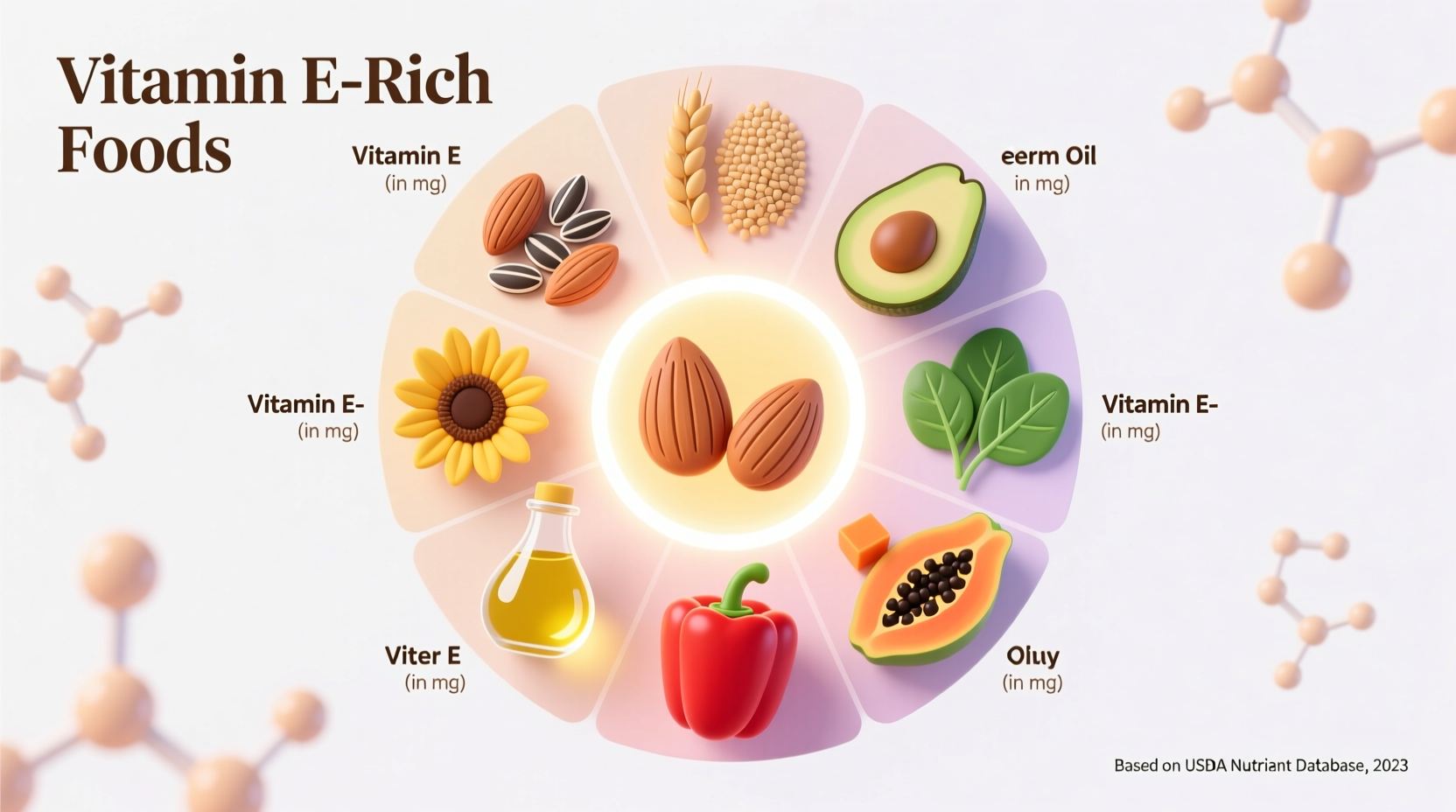
Discover how to naturally boost your vitamin E intake with scientifically-backed food choices that support skin health, immune function, and overall wellness. This guide reveals the most potent dietary sources of vitamin E, practical ways to incorporate them into your daily meals, and important considerations for maximizing absorption.
Why Vitamin E Matters for Your Health
Vitamin E serves as your body's primary fat-soluble antioxidant, protecting cell membranes from oxidative damage. According to the National Institutes of Health, adequate vitamin E intake supports immune function, prevents blood clotting, and maintains healthy skin and eyes. Deficiency can lead to nerve and muscle damage, vision problems, and weakened immunity.
Your Complete Vitamin E Food Guide
Nuts and Seeds: Powerhouse Sources
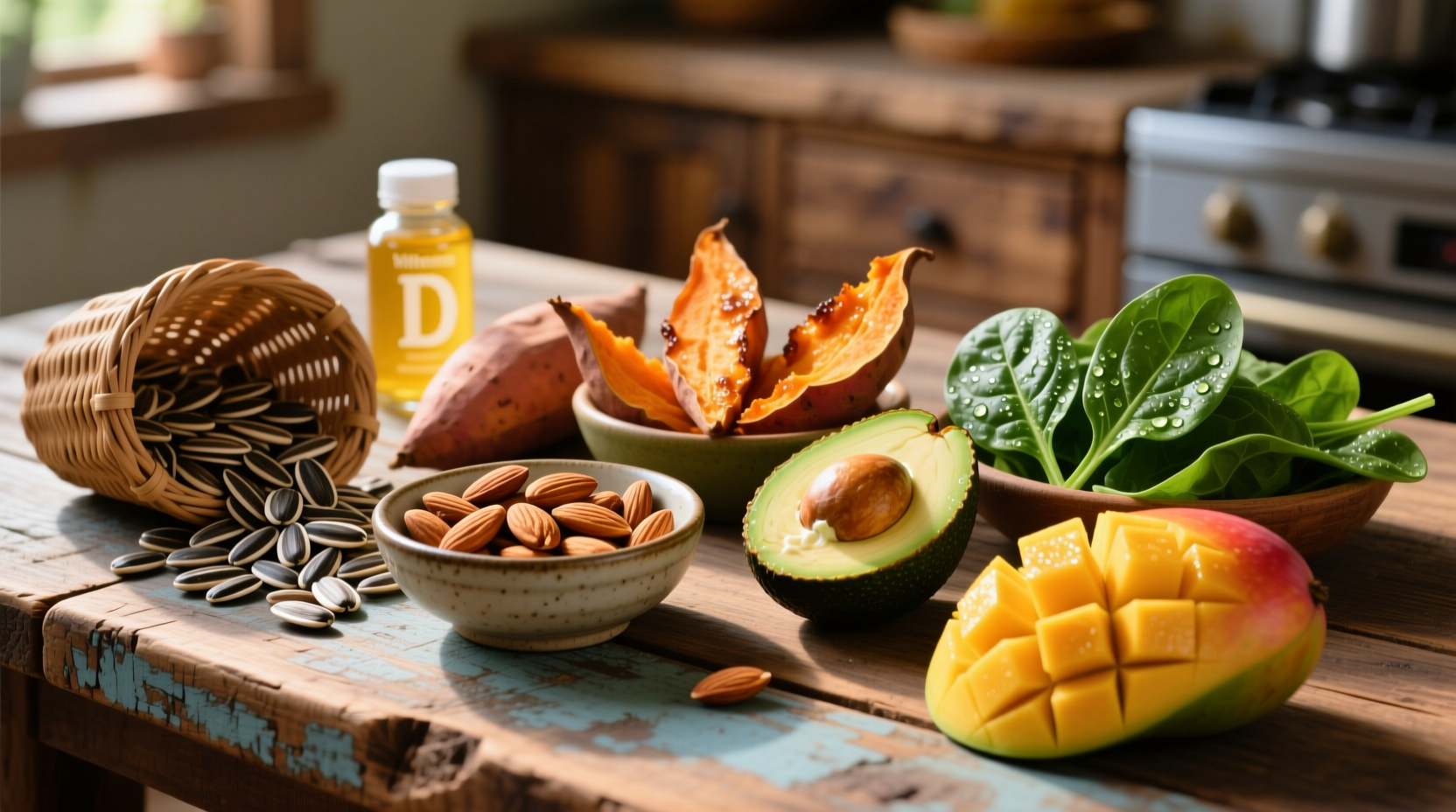
Nuts and seeds deliver concentrated vitamin E in convenient portions. One ounce of sunflower seeds provides nearly half your daily requirement, while almonds offer excellent bioavailability. These portable snacks also provide healthy fats that enhance vitamin E absorption.
| Food (1 ounce) | Vitamin E (mg) | % Daily Value |
|---|---|---|
| Sunflower seeds | 7.4 | 49% |
| Almonds | 6.8 | 45% |
| Hazelnuts | 4.3 | 29% |
| Peanuts | 2.4 | 16% |
Vegetable Oils: Kitchen Staples with Benefits
Wheat germ oil stands out as the richest oil source, providing 100% of your daily vitamin E in just one tablespoon. Sunflower and safflower oils offer substantial amounts while maintaining neutral flavors suitable for various cooking methods. Remember that heating can degrade vitamin E content, so use these oils primarily for dressings or low-heat cooking.
Leafy Greens: Nutrient-Dense Options
Spinach and Swiss chard deliver impressive vitamin E levels alongside other essential nutrients. One cup of cooked spinach contains 3.7mg of vitamin E—more than many fruits and vegetables. The cooking process actually increases bioavailability by breaking down cell walls, making the vitamin more accessible to your body.
Maximizing Vitamin E Absorption
Vitamin E is fat-soluble, meaning your body absorbs it best when consumed with dietary fats. Pair vitamin E-rich foods with healthy fats like olive oil or avocado to boost absorption by up to 300%, according to research published in the American Journal of Clinical Nutrition. Avoid low-fat diets when focusing on vitamin E intake, as this significantly reduces absorption efficiency.
Practical Daily Incorporation Strategies
Create vitamin E-rich meals with these simple approaches:
- Add sunflower seeds to morning yogurt or oatmeal (5mg per serving)
- Use almond butter instead of peanut butter on whole grain toast
- Make spinach salad with avocado and sunflower seeds
- Replace regular cooking oil with wheat germ oil in dressings
- Snack on a small handful of almonds (6.8mg) between meals
Special Considerations and Limitations
Certain medical conditions like Crohn's disease or cystic fibrosis can impair vitamin E absorption, requiring higher dietary intake or supplementation under medical supervision. While food sources are generally safe, vitamin E supplements above 1,000mg daily may increase bleeding risk. The American Heart Association recommends obtaining nutrients primarily from whole foods rather than supplements for optimal health benefits.
Vitamin E Through the Years: Key Research Milestones
Vitamin E was first identified in 1922 by researchers studying reproductive health in rats. The 1930s brought isolation of the compound, followed by recognition of its antioxidant properties in the 1960s. Modern research focuses on its role in preventing chronic diseases, with ongoing studies examining optimal dietary patterns for maximum benefit. This evolving understanding highlights why whole food sources remain preferable to isolated supplements.
Frequently Asked Questions
How much vitamin E do I need daily?
Adults require 15mg (22.4 IU) of vitamin E daily. Breastfeeding women need slightly more at 19mg. Children's requirements range from 6-11mg depending on age. These amounts can be met through a balanced diet containing vitamin E-rich foods without supplementation for most healthy individuals.
Can I get too much vitamin E from food?
It's extremely difficult to consume excessive vitamin E from natural food sources alone. The upper safety limit is 1,000mg daily, which would require eating enormous quantities of vitamin E-rich foods. Problems typically arise only from high-dose supplementation, not from dietary sources.
Which cooking methods preserve vitamin E best?
Steaming and quick sautéing preserve vitamin E better than boiling or prolonged high-heat cooking. Since vitamin E is fat-soluble, cooking vegetables with a small amount of healthy oil actually enhances absorption. Raw consumption of nuts and seeds provides maximum vitamin E content.
Does vitamin E help with skin health?
Yes, vitamin E protects skin from UV damage and supports skin barrier function. Research shows dietary vitamin E works synergistically with vitamin C for enhanced skin protection. Foods like almonds, sunflower seeds, and avocado provide vitamin E that supports skin health from within, complementing topical applications.




 浙公网安备
33010002000092号
浙公网安备
33010002000092号 浙B2-20120091-4