
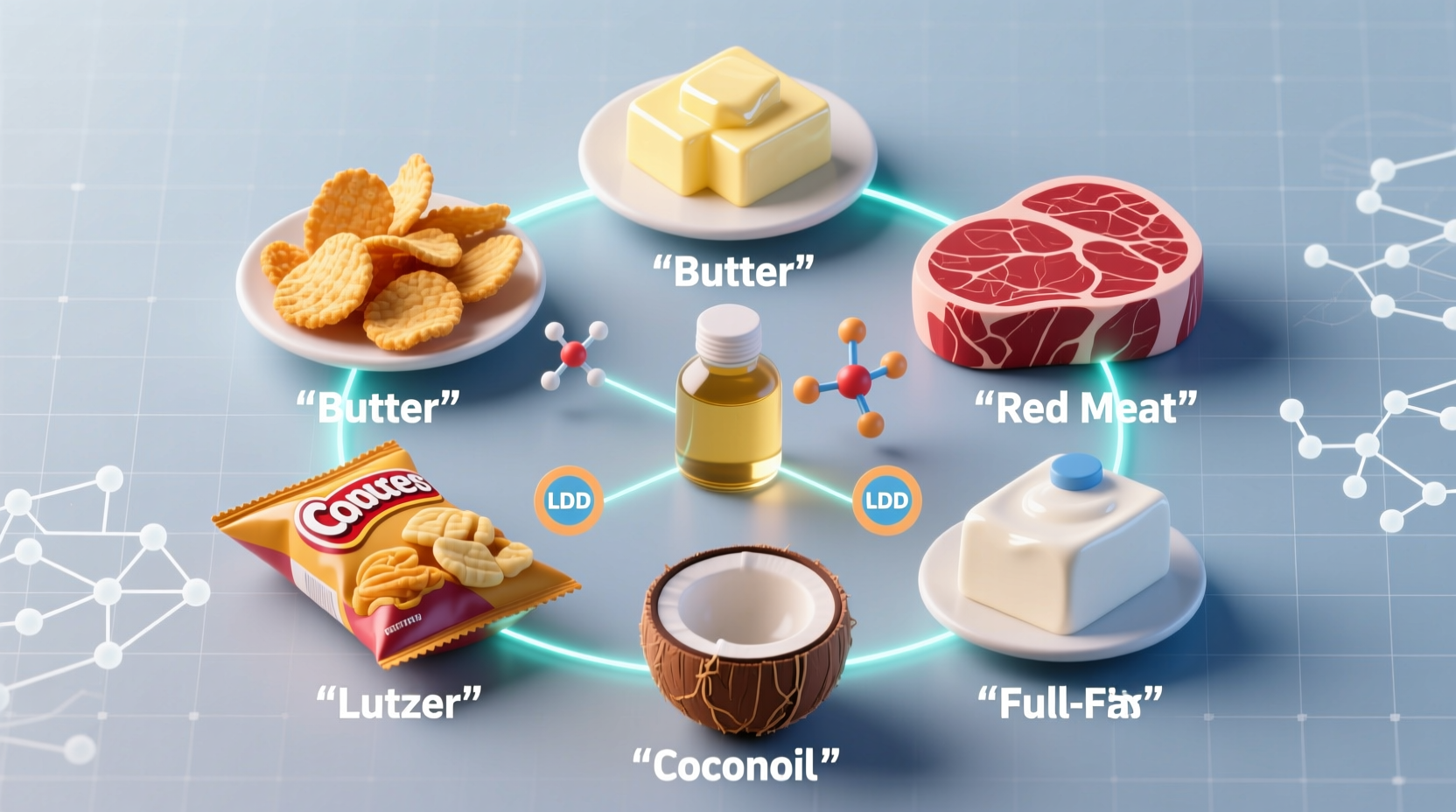
If you're concerned about high cholesterol, the primary foods that raise LDL levels are those high in saturated fats and trans fats. Key culprits include fatty cuts of red meat, full-fat dairy products, fried foods, baked goods made with hydrogenated oils, and processed snack foods. Limiting these while focusing on heart-healthy alternatives can significantly improve your cholesterol profile.
Understanding which foods impact your LDL cholesterol is crucial for heart health management. LDL (low-density lipoprotein), often called "bad" cholesterol, contributes to plaque buildup in arteries when levels become too high. While genetics play a role, your dietary choices significantly influence LDL levels. Let's explore the science-backed evidence about which foods raise LDL and why.
The Science Behind LDL and Diet
Contrary to popular belief, dietary cholesterol itself (found in eggs and shellfish) has less impact on blood cholesterol than previously thought for most people. The American Heart Association now emphasizes that saturated and trans fats are the primary dietary drivers of elevated LDL cholesterol.
Foods That Significantly Raise LDL Cholesterol
Saturated Fat Sources: The Primary Culprits
Saturated fats have the strongest evidence linking them to increased LDL levels. When consumed in excess, they trigger your liver to produce more cholesterol.
| Food Category | Specific Examples | Saturated Fat Content | LDL Impact Level |
|---|---|---|---|
| Fatty Meats | Ribeye steak, pork belly, sausage, bacon | 5-8g per 3oz serving | High |
| Full-Fat Dairy | Butter, whole milk, cheese, cream | 7-11g per serving | High |
| Tropical Oils | Coconut oil, palm oil | 11-13g per tablespoon | Moderate-High |
| Baked Goods | Cookies, cakes, pastries with butter | Variable (often high) | Moderate |
Trans Fats: The Most Dangerous for LDL
Artificial trans fats, created through partial hydrogenation of vegetable oils, are particularly harmful. According to the FDA, trans fats not only raise LDL cholesterol but also lower HDL ("good" cholesterol). Though largely banned in the US, they may still appear in:
- Fried foods (especially from restaurants using older fryers)
- Non-dairy coffee creamers
- Some microwave popcorn varieties
- Certain margarines and shortenings
- Many commercially baked goods
Check ingredient labels for "partially hydrogenated oils" - even if the label claims "0g trans fat," products can contain up to 0.5g per serving.
Dietary Cholesterol: Less Impact Than Previously Thought
Research published in the Journal of the American Medical Association shows dietary cholesterol has a much smaller effect on blood cholesterol than saturated fats. For most people, moderate egg consumption (up to one egg daily) doesn't significantly impact LDL levels. However, about 25% of the population ("hyper-responders") may experience greater LDL increases from dietary cholesterol.
Added Sugars: The Emerging Connection
Recent studies in Circulation indicate that high sugar intake, particularly fructose, may increase LDL cholesterol by promoting liver fat production. Common sources include:
- Sugary beverages (sodas, energy drinks)
- Flavored yogurts
- Breakfast cereals
- Processed snack foods
Practical Dietary Strategies to Manage LDL
Instead of focusing solely on restriction, consider these evidence-based approaches:
Smart Substitutions for Common High-LDL Foods
- Instead of butter: Use olive oil or avocado oil in cooking
- Instead of fatty meats: Choose lean cuts or plant-based protein sources
- Instead of whole milk: Opt for skim or unsweetened almond milk
- Instead of fried foods: Bake, grill, or air-fry for crispiness without added fats
Reading Food Labels Like a Pro
When evaluating packaged foods, pay attention to:
- Saturated fat content (aim for less than 5% DV per serving)
- Trans fat listing (avoid anything with partially hydrogenated oils)
- Added sugars (look for multiple sugar names like sucrose, high-fructose corn syrup)
- Ingredient order (the first 3 ingredients make up most of the product)
Understanding Individual Variation
It's important to recognize that people respond differently to dietary cholesterol and fats. The National Institutes of Health notes that genetic factors influence how your body processes dietary fats. Some individuals may need stricter limitations on certain foods than others.
When to Consult a Healthcare Professional
Dietary changes alone may not be sufficient for everyone with high LDL. If you have:
- LDL levels above 190 mg/dL
- Existing heart disease
- Multiple risk factors for cardiovascular disease
- Family history of early heart disease
Consult a healthcare provider for personalized recommendations. They may suggest medication alongside dietary changes for optimal management.
Building a Heart-Healthy Eating Pattern
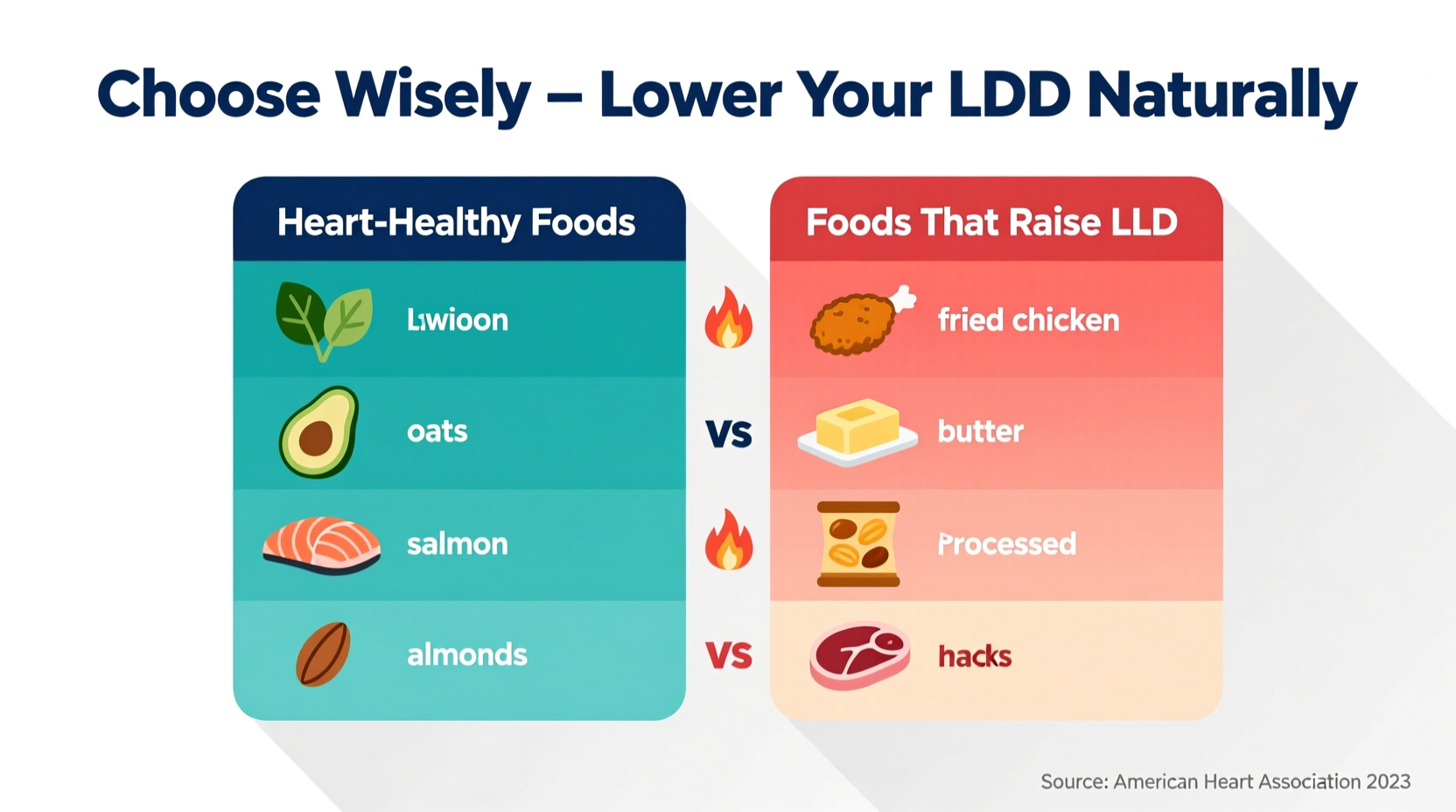
Rather than focusing on single foods, consider adopting a comprehensive dietary pattern like the Mediterranean diet, which the American Heart Association recommends for cardiovascular health. This approach emphasizes:
- Whole grains instead of refined carbohydrates
- Abundant fruits and vegetables
- Healthy fats from olive oil, nuts, and avocados
- Fatty fish rich in omega-3s (salmon, mackerel)
- Limited red meat and sweets
Remember that small, sustainable changes often yield better long-term results than drastic dietary overhauls. Start by replacing one high-saturated-fat food per week with a heart-healthier alternative.




 浙公网安备
33010002000092号
浙公网安备
33010002000092号 浙B2-20120091-4