
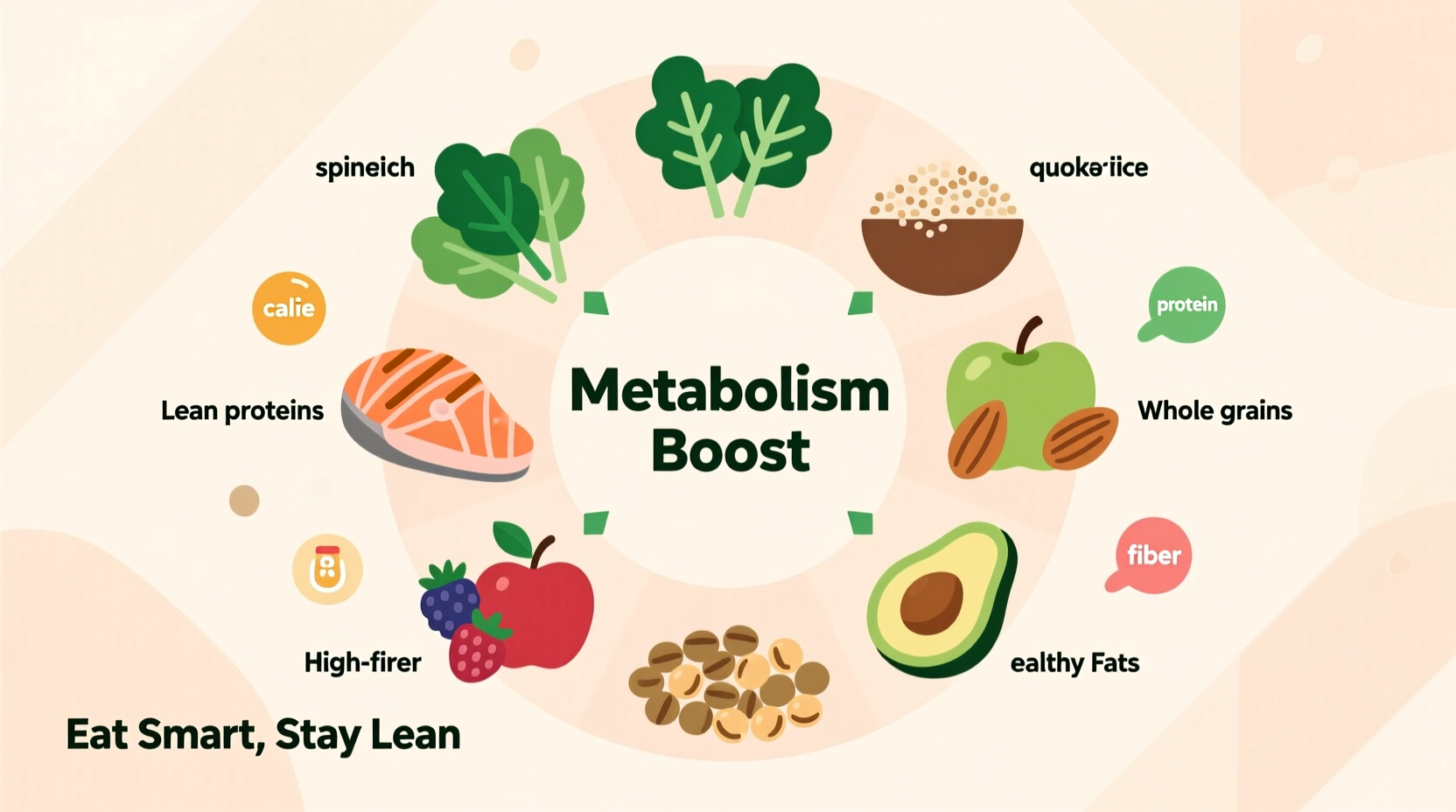
Why Most Weight Loss Food Claims Are Misleading
When searching for what foods help you lose weight, you'll encounter countless articles promising miracle solutions. The truth is more nuanced. According to the National Center for Complementary and Integrative Health, no food magically burns fat. Weight management fundamentally depends on energy balance—consuming fewer calories than you expend.
What makes certain foods valuable for weight loss isn't special fat-burning properties, but how they influence:
- Your feeling of fullness between meals
- Your likelihood of overeating
- Your metabolic health markers
- Your ability to maintain muscle mass
The Science of Satiety: How Weight-Friendly Foods Work
Research published in the American Journal of Clinical Nutrition identifies three key mechanisms through which certain foods support weight management:
Protein Power for Satiety
High-protein foods increase levels of satiety hormones like peptide YY and GLP-1 while reducing ghrelin (the hunger hormone). A NIH study found that increasing protein intake from 15% to 30% of calories resulted in automatic calorie reduction of 441 calories per day.
Fiber's Volume Advantage
Dietary fiber adds bulk without calories, slowing digestion and promoting fullness. The Harvard T.H. Chan School of Public Health notes that each 14g increase in fiber intake correlates with a 10% decrease in calorie consumption.
Water Content and Energy Density
Foods with high water content (like soups and vegetables) have low energy density—providing fewer calories per gram. This allows you to eat satisfying portions while managing calorie intake.
| Food Category | Satiety Index* | Key Weight Management Benefit | Research Strength |
|---|---|---|---|
| Boiled Potatoes | 323% | Extreme fullness per calorie | ★★★★☆ |
| Eggs | 151% | Reduces calorie intake at next meal | ★★★★★ |
| Oatmeal | 209% | Soluble fiber slows digestion | ★★★★☆ |
| Legumes | 165% | Protein + fiber combination | ★★★★★ |
| Apples | 197% | Water + fiber + chewing effort | ★★★☆☆ |
*Satiety Index measures fullness per calorie compared to white bread (100%). Based on Holt et al. (1995) research.
Evidence-Based Foods That Support Weight Management
High-Protein Powerhouses
Eggs: A study in the International Journal of Obesity found that women who ate eggs for breakfast consumed 400 fewer calories over the next 24 hours compared to those who ate bagels. The complete protein profile helps preserve muscle during weight loss.
Greek Yogurt: With nearly double the protein of regular yogurt, Greek yogurt promotes satiety. Research in the American Journal of Clinical Nutrition shows dairy consumption may support fat loss while preserving lean mass.
Fiber-Rich Vegetables and Fruits
Leafy Greens: Extremely low in calories but high in volume and nutrients. A NIH review found that increasing vegetable intake correlates with lower BMI and reduced weight gain over time.
Apples and Pears: The combination of fiber, water, and chewing effort increases meal satisfaction. Research shows whole fruits are more effective for weight management than fruit juices.
Smart Carbohydrate Choices
Oats: The beta-glucan fiber in oats forms a gel that slows digestion. A meta-analysis found oat consumption significantly reduced body weight and waist circumference.
Legumes: Beans, lentils, and chickpeas provide protein and resistant starch that feeds beneficial gut bacteria. The American Heart Association recognizes legumes as valuable for weight management and cardiovascular health.
Context Matters: When Healthy Foods Don't Help Weight Loss
Even nutritious foods can hinder weight loss if not consumed appropriately. Understanding these context boundaries is crucial:
- Nuts and seeds: While healthy, they're extremely calorie-dense. A single handful (about 1 ounce) contains 160-200 calories. Research shows people often underestimate portions, leading to excess calorie intake.
- Dried fruits: Concentrated sugar and calories without the water content of fresh fruit. One cup of raisins contains the sugar of 4-5 whole grapes.
- "Healthy" dressings and sauces: Olive oil, while beneficial, contains 120 calories per tablespoon. Salad can become a calorie bomb with excessive dressing.
Practical Implementation: Building Your Weight-Friendly Plate
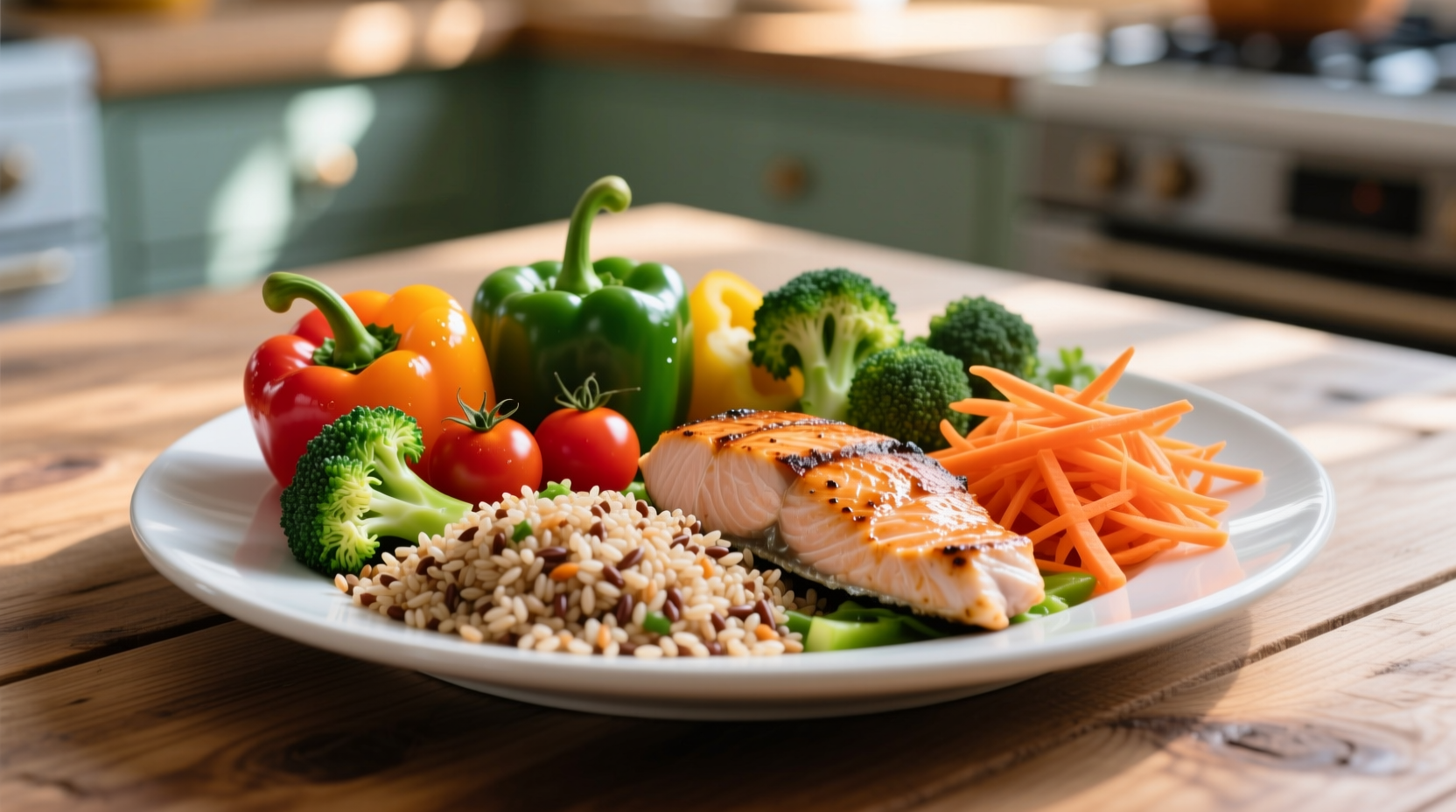
Instead of focusing on individual foods that help you lose weight, build balanced meals using this framework:
- Fill half your plate with non-starchy vegetables (spinach, broccoli, peppers)
- Quarter your plate with lean protein (chicken, fish, tofu, eggs)
- Quarter your plate with smart carbohydrates (quinoa, sweet potato, berries)
- Add small portions of healthy fats (1/4 avocado, 1 tbsp olive oil)
For snacks, combine protein and fiber: apple with almond butter, Greek yogurt with berries, or veggies with hummus. This approach naturally reduces calorie density while maximizing nutrient intake.
The Long Game: Sustainable Weight Management Patterns
Research tracking dietary patterns over decades reveals that the Mediterranean diet consistently shows the strongest evidence for sustainable weight management and reduced chronic disease risk. Key elements include:
- Abundant vegetables, fruits, and whole grains
- Moderate lean protein (especially fish and legumes)
- Healthy fats from olive oil, nuts, and avocados
- Minimal processed foods and added sugars
Unlike fad diets that promise rapid weight loss, this pattern supports gradual, sustainable changes. The CDC recommends aiming for 1-2 pounds of weight loss per week as a safe, maintainable rate.
Common Misconceptions About Weight Loss Foods
Let's address some persistent myths about what foods help you lose weight:
- "Negative calorie foods": No food requires more energy to digest than it provides. While celery and cucumbers are extremely low-calorie, they don't create a calorie deficit through digestion alone.
- "Metabolism-boosting" foods: While some foods like chili peppers may slightly increase calorie burn, the effect is minimal (about 50 calories daily)—equivalent to a 10-minute walk.
- "Detox" foods: Your liver and kidneys naturally detoxify your body. No special foods enhance this process beyond supporting overall health.




 浙公网安备
33010002000092号
浙公网安备
33010002000092号 浙B2-20120091-4