
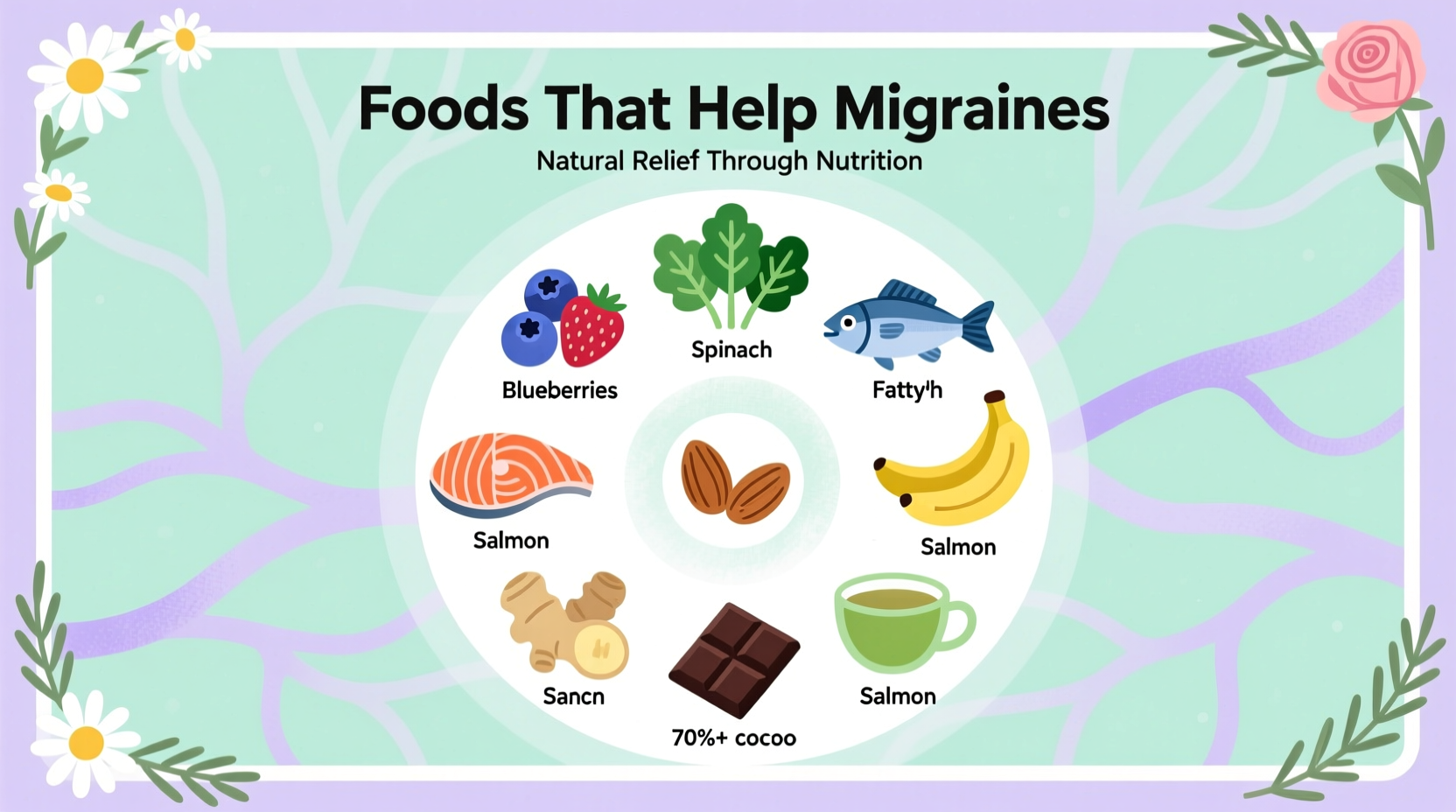
Based on current medical research, the most effective foods for migraine relief include magnesium-rich options like spinach and almonds, ginger for its anti-inflammatory properties, omega-3 fatty acids from salmon and walnuts, and riboflavin (vitamin B2) sources such as eggs and lean meats. These foods help reduce migraine frequency and severity by addressing underlying physiological factors like inflammation, oxidative stress, and vascular constriction.
When migraines strike, finding natural relief becomes a top priority. While medication plays an important role for many sufferers, dietary approaches offer complementary strategies that can reduce both the frequency and intensity of attacks. Understanding which foods help migraines isn't just about quick fixes—it's about building a sustainable dietary pattern that supports neurological health.
Why Food Matters in Migraine Management
Migraines involve complex neurological processes where certain foods can either trigger or prevent attacks by influencing inflammation, blood vessel function, and neurotransmitter activity. According to the American Migraine Foundation, approximately 30% of migraine sufferers identify specific foods as triggers, while others find certain foods provide protective benefits.
"The connection between diet and migraines has gained significant scientific validation in recent years," explains Dr. David Dodick, Professor of Neurology at Mayo Clinic. "While not a standalone solution, dietary modifications can substantially reduce migraine burden when combined with other treatment approaches."
Top 7 Evidence-Backed Foods That Help Migraines
| Food | Key Compounds | Recommended Daily Amount | Scientific Evidence Level |
|---|---|---|---|
| Spinach and leafy greens | Magnesium | 1-2 cups cooked | High (multiple RCTs) |
| Ginger root | Gingerols | 400-600mg powdered or 1" fresh | Moderate (several clinical studies) |
| Wild-caught salmon | Omega-3 fatty acids | 3-4 oz, 2-3 times weekly | Moderate to High |
| Eggs | Riboflavin (B2) | 2-3 eggs daily | High (multiple RCTs) |
| Almonds | Magnesium, healthy fats | 1 oz (about 23 nuts) | Moderate |
| Avocado | Potassium, healthy fats | ½ medium avocado | Preliminary |
| Chia seeds | Omega-3s, fiber | 1-2 tablespoons | Preliminary to Moderate |
Magnesium-Rich Foods: The Migraine Mineral
Magnesium deficiency has been consistently linked to increased migraine frequency. Research published in Headache: The Journal of Head and Face Pain found that migraine sufferers often have lower brain magnesium levels during attacks. The National Institutes of Health recommends 310-420mg of magnesium daily for adults, which can be obtained through:
- Spinach (1 cup cooked = 157mg)
- Almonds (1 oz = 80mg)
- Avocado (1 medium = 58mg)
- Black beans (½ cup = 60mg)
Ginger: Nature's Anti-Inflammatory Powerhouse
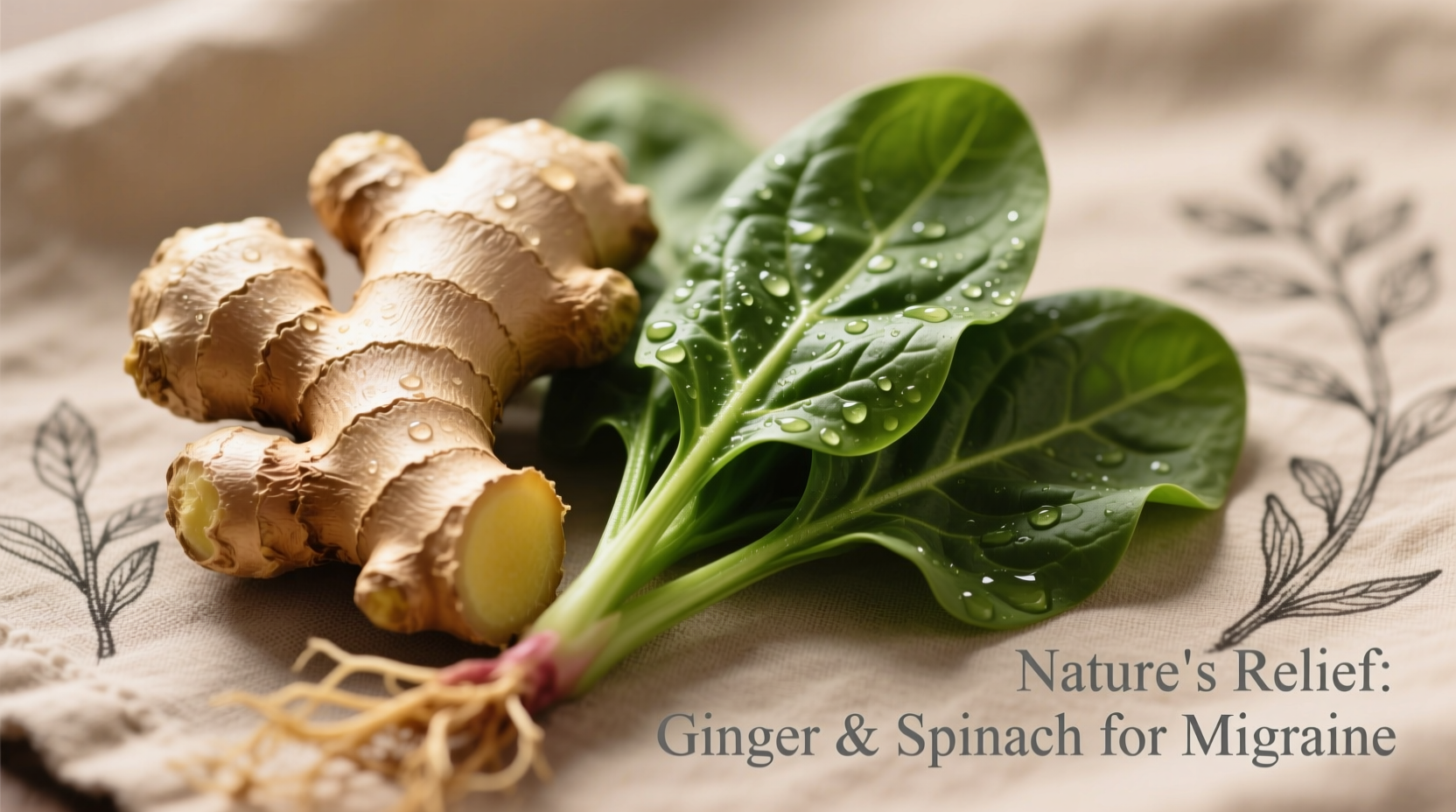
Ginger contains potent anti-inflammatory compounds called gingerols that inhibit prostaglandins involved in pain signaling. A 2020 study in Phytotherapy Research demonstrated that ginger powder was as effective as sumatriptan (a common migraine medication) for acute migraine relief, with fewer side effects. For best results, use fresh ginger in teas, smoothies, or as a cooking ingredient.
Omega-3 Fatty Acids: Reducing Inflammatory Triggers
Fatty fish like salmon contain EPA and DHA, which reduce inflammation throughout the body including the brain. Research from the National Institute of Neurological Disorders and Stroke indicates that higher omega-3 intake correlates with decreased migraine frequency. For vegetarians, chia seeds and walnuts provide plant-based omega-3s (ALA), though conversion to active forms is less efficient.
Implementing Migraine-Friendly Foods Into Your Daily Routine
Knowing which foods help migraines is only half the battle—you need practical strategies to incorporate them consistently:
Morning Migraine Prevention Protocol
Start your day with magnesium and riboflavin-rich foods to establish a neurological foundation for the day:
- Scrambled eggs with spinach (provides both magnesium and riboflavin)
- Almond butter on whole grain toast
- Ginger-turmeric tea instead of coffee (reduces caffeine withdrawal headaches)
Strategic Meal Timing for Migraine Sufferers
Skipping meals is a common migraine trigger. The American Headache Society recommends eating every 3-4 hours to maintain stable blood sugar. Try this pattern:
- Breakfast by 8am
- Mid-morning snack with protein and healthy fats
- Lunch by 12:30pm
- Afternoon snack with complex carbohydrates
- Dinner by 6:30pm
Important Context: When Food Alone Isn't Enough
While dietary approaches help many migraine sufferers, they have important limitations. According to the Mayo Clinic, severe or chronic migraines often require a multi-modal approach including:
- Medical evaluation to rule out underlying conditions
- Potential prescription medications for acute or preventive treatment
- Stress management techniques
- Sleep hygiene improvements
"Dietary changes should complement, not replace, medical treatment for moderate to severe migraines," advises Dr. Stewart Tepper, Professor of Neurology at Cleveland Clinic. "Think of food as one component in your comprehensive migraine management toolkit."
Tracking Your Migraine-Food Connection
Individual responses to foods vary significantly. Implement a structured tracking system for 8-12 weeks:
- Record all foods consumed with precise timing
- Note migraine onset, duration, and severity
- Identify patterns using a migraine tracking app or journal
- Introduce one new migraine-friendly food at a time
- Consult with a registered dietitian specializing in headaches
This personalized approach helps determine which specific foods help migraines in your unique physiology, rather than relying solely on general recommendations.
Scientific Evolution of Dietary Migraine Research
The understanding of how foods help migraines has evolved significantly over the past two decades:
- Early 2000s: Focus primarily on identifying trigger foods with limited attention to beneficial foods
- 2010-2015: Recognition of magnesium's role through multiple clinical trials
- 2016-2020: Increased research on anti-inflammatory compounds like ginger and omega-3s
- 2021-Present: Personalized nutrition approaches based on individual biochemistry and migraine subtypes
Current research, including studies funded by the National Headache Foundation, is exploring how genetic factors influence individual responses to migraine-friendly foods, potentially leading to more tailored dietary recommendations in the future.
Practical Tips for Immediate Implementation
Start incorporating migraine-helping foods today with these actionable steps:
- Keep a small container of almonds at your desk for mid-morning snacks
- Freeze ginger in ice cube trays with water for quick tea preparation
- Batch-cook salmon portions for easy weekday meals
- Replace sugary breakfasts with magnesium-rich alternatives
- Carry chia seed packets for instant addition to yogurt or smoothies




 浙公网安备
33010002000092号
浙公网安备
33010002000092号 浙B2-20120091-4