
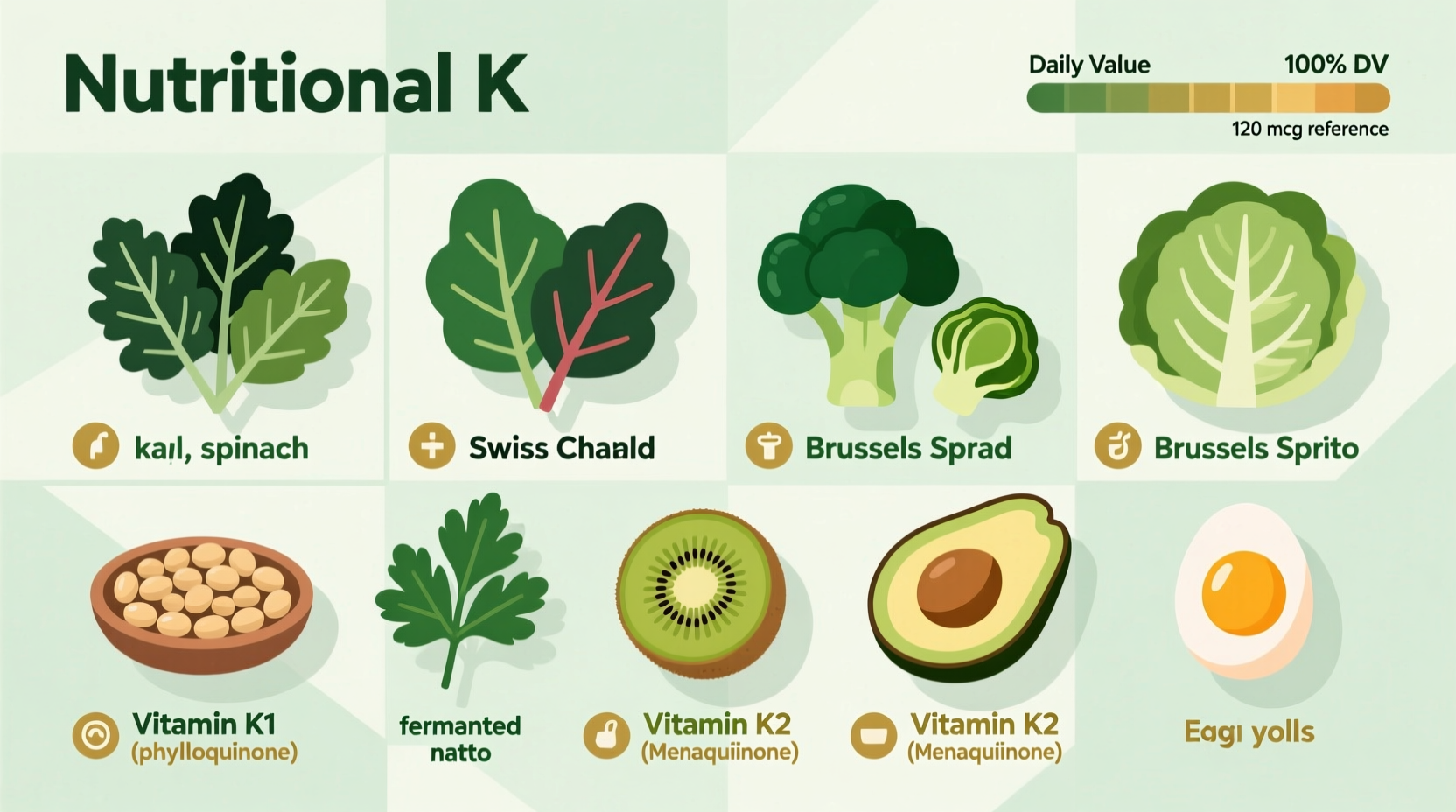
If you're monitoring your vitamin K intake—whether for blood thinner management or optimizing bone health—knowing precisely which foods deliver this essential nutrient is crucial. Vitamin K plays a vital role in blood clotting and bone metabolism, yet many people remain unaware of the diverse food sources available beyond basic salad greens.
Understanding Vitamin K Types and Their Food Sources
Vitamin K exists primarily in two forms with distinct dietary sources. Vitamin K1 (phylloquinone) dominates in plant-based foods, particularly dark leafy greens, while vitamin K2 (menaquinones) appears mainly in animal products and fermented foods. This distinction matters significantly for both absorption rates and health impacts.
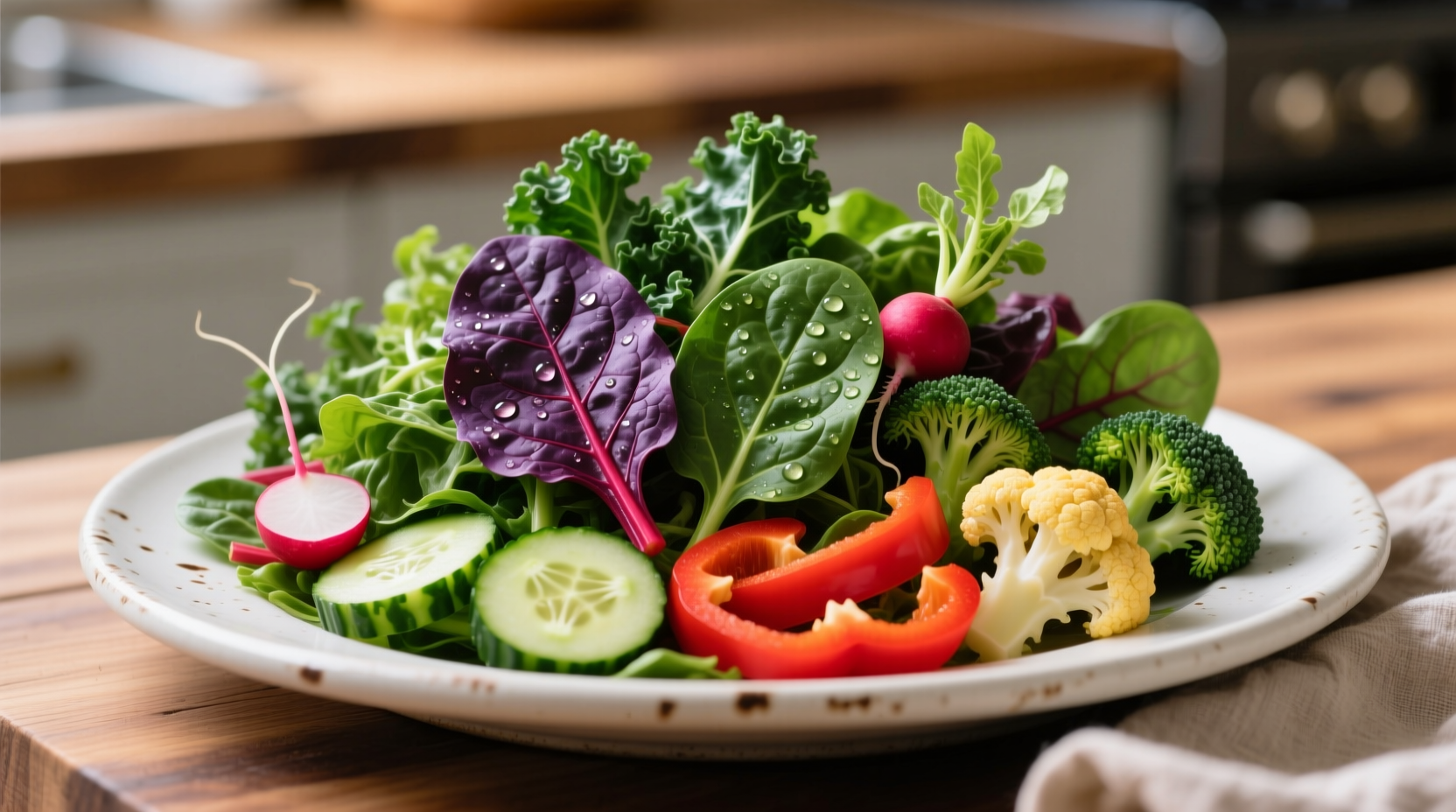
Top Vitamin K Food Categories Ranked by Content
| Food Category | Top Sources | Vitamin K (µg per serving) | Variety Notes |
|---|---|---|---|
| Leafy Greens | Kale, spinach, collards | 500-650 | Cooked provides more bioavailable K1 than raw |
| Cruciferous Vegetables | Brussels sprouts, broccoli | 150-250 | Steaming preserves more nutrients than boiling |
| Fermented Foods | Natto, certain cheeses | 100-1000 (K2) | Natto contains MK-7 form with longer half-life |
| Other Vegetables | Asparagus, celery, green beans | 30-80 | Smaller but consistent contributors to daily intake |
Practical Vitamin K Integration Strategies
For optimal absorption, pair vitamin K-rich foods with healthy fats since it's fat-soluble. Try sautéing spinach with olive oil or adding avocado to your kale salad. When preparing cruciferous vegetables like broccoli, steaming rather than boiling preserves more vitamin K content while maintaining texture.
Daily vitamin K requirements vary by age and gender, with adult men needing approximately 120µg and women 90µg according to the NIH Office of Dietary Supplements. However, individuals taking warfarin require consistent daily intake rather than maximum consumption.
Special Considerations for Blood Thinner Users
If you're managing warfarin therapy, maintaining consistent vitamin K intake is more important than avoiding it entirely. Sudden increases or decreases can affect medication efficacy. The American Heart Association recommends working with your healthcare provider to establish a stable dietary pattern rather than eliminating vitamin K foods completely.
Many patients successfully incorporate vitamin K-rich foods by tracking daily intake and maintaining consistency. A registered dietitian can help develop personalized meal plans that accommodate medication requirements while ensuring nutritional adequacy.
Vitamin K Content Evolution in Modern Diets
Historical dietary patterns naturally provided higher vitamin K levels through abundant consumption of leafy greens and fermented foods. Traditional Japanese diets featuring natto delivered substantial vitamin K2, while Mediterranean eating patterns incorporated diverse leafy greens. Modern processed food diets often lack these natural sources, potentially contributing to suboptimal vitamin K status in some populations.
Research published in the American Journal of Clinical Nutrition suggests that increasing dietary vitamin K through whole foods rather than supplements provides broader health benefits due to synergistic compounds in natural food matrices.
Actionable Vitamin K Meal Planning
Build balanced meals by incorporating at least one vitamin K source at each meal. Start your day with spinach in smoothies, include broccoli in lunch salads, and feature collard greens as a dinner side. For vitamin K2, add modest portions of fermented dairy or natto to your weekly rotation.
When tracking intake, remember that cooking methods affect vitamin K availability. Lightly steaming greens increases bioavailability compared to raw consumption, while boiling can leach nutrients into cooking water. Keep a simple food diary for one week to understand your current vitamin K patterns before making adjustments.




 浙公网安备
33010002000092号
浙公网安备
33010002000092号 浙B2-20120091-4