
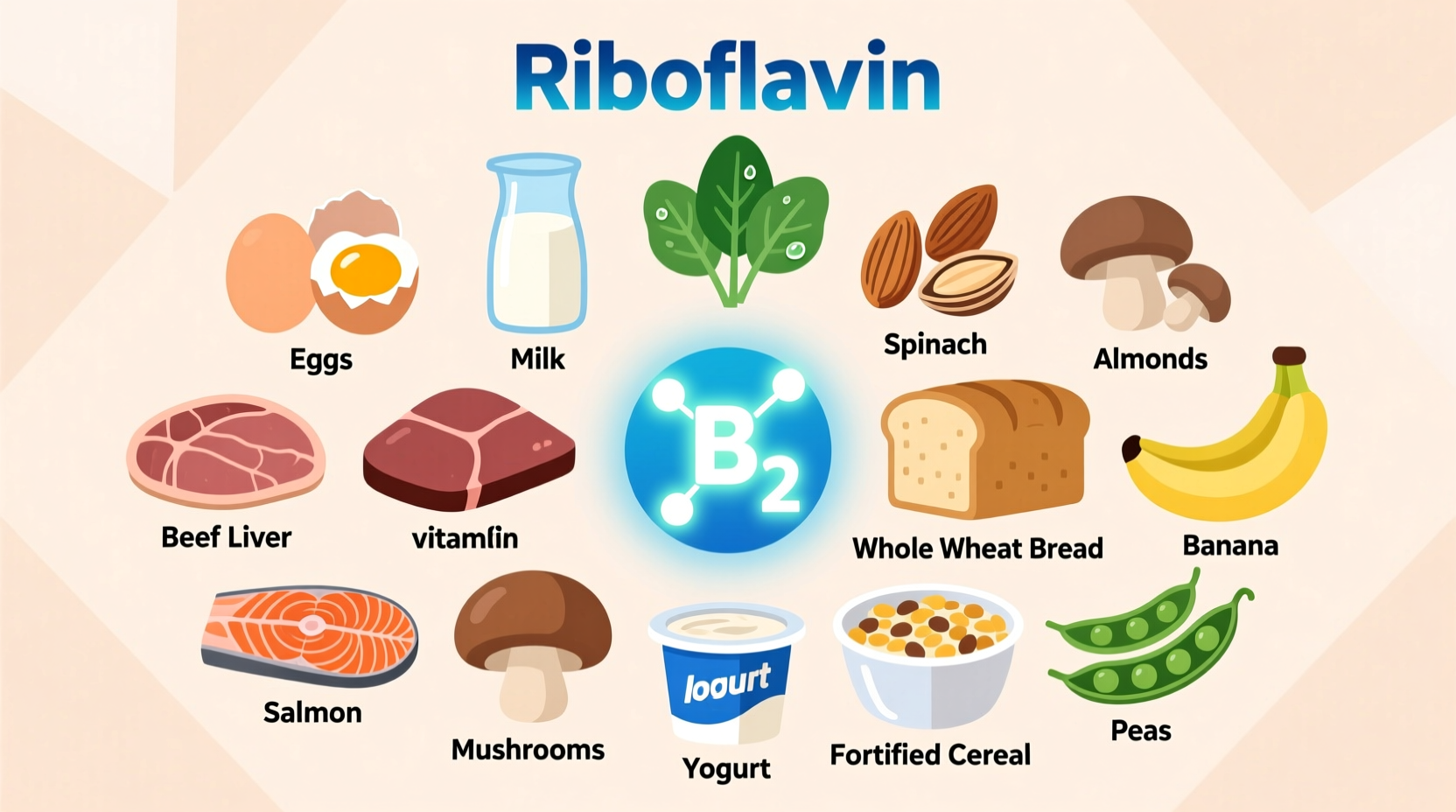
Understanding which foods contain riboflavin isn't just nutritional trivia—it's essential for maintaining energy metabolism, skin health, and proper nerve function. This water-soluble vitamin plays a critical role in converting food into cellular energy, and your body can't produce it on its own. The Recommended Dietary Allowance (RDA) is 1.3 mg daily for adult men and 1.1 mg for women, according to the National Institutes of Health.
Why Riboflavin Matters More Than You Think
Riboflavin (vitamin B2) serves as a cofactor for enzymes involved in energy production and cellular function. Unlike fat-soluble vitamins, your body doesn't store riboflavin, making regular dietary intake crucial. Deficiency can cause sore throat, cracked lips, and even neurological issues. Certain groups—including athletes, pregnant women, and those with absorption issues—often require higher intakes.
Your Complete Guide to Riboflavin-Rich Foods
Knowing which foods contain riboflavin helps you build meals that naturally meet your daily requirements. Let's break down the best sources by food category:
Top Animal-Based Riboflavin Sources
Dairy products and organ meats lead the pack for riboflavin density. A single serving often delivers more than half your daily needs:
| Food | Serving Size | Riboflavin (mg) | % Daily Value |
|---|---|---|---|
| Beef liver | 3 ounces | 4.2 | 323% |
| Low-fat milk | 1 cup | 0.4 | 31% |
| Plain yogurt | 1 cup | 0.6 | 46% |
| Eggs | 2 large | 0.6 | 46% |
Data sourced from the USDA FoodData Central database (Release 2023). Notice how organ meats dramatically outperform other animal products—just 3 ounces of beef liver provides over three times the daily requirement.
Plant-Powered Riboflavin Options
For vegetarians and vegans, several plant foods deliver impressive riboflavin content. The key is understanding which options provide meaningful amounts per typical serving:
- Almonds: 1 ounce (about 23 nuts) contains 1.1 mg (85% DV)—the highest plant source
- Mushrooms (portobello): 1 cup grilled provides 0.5 mg (38% DV)
- Spinach: 1 cup cooked delivers 0.4 mg (31% DV)
- Quinoa: 1 cup cooked contains 0.3 mg (23% DV)
- Avocado: 1 whole fruit provides 0.4 mg (31% DV)
According to research published in the Journal of Food Composition and Analysis, riboflavin retention in plant foods remains high during cooking—unlike some other B vitamins that leach into water.
Fortified Foods: The Modern Riboflavin Boost
Many processed foods receive riboflavin fortification, making them surprisingly potent sources:
- Fortified breakfast cereals: Often provide 100% of daily needs per serving
- Nutritional yeast: Just 2 tablespoons contain 1.5 mg (115% DV)
- Fortified plant milks: Typically 0.3-0.5 mg per cup
A CDC dietary survey revealed that fortified cereals contribute significantly to riboflavin intake in the American diet, especially among children and adolescents.
Smart Strategies for Maximizing Riboflavin Intake
Knowing what foods have riboflavin is only half the battle—you need practical ways to incorporate them:
Preservation Techniques That Matter
Riboflavin's unique vulnerability to light means storage and preparation methods directly impact nutrient retention. Unlike many vitamins, riboflavin remains stable during cooking but degrades rapidly when exposed to light. Always store milk in opaque containers and keep fortified cereals in their original packaging.
Sample Riboflavin-Rich Meal Plan
Here's how to hit your daily riboflavin target through whole foods:
- Breakfast: Fortified cereal (1.7 mg) with milk (0.4 mg) = 2.1 mg (162% DV)
- Lunch: Spinach salad with almonds (0.7 mg) = 54% DV
- Dinner: Scrambled eggs (0.6 mg) with mushrooms (0.5 mg) = 85% DV
This simple plan provides well over 100% of daily needs without supplements.
Special Considerations for Optimal Absorption
Certain factors affect how well your body utilizes riboflavin:
- Alcohol consumption: Chronic drinking impairs riboflavin absorption
- Medication interactions: Certain antibiotics and antidepressants reduce riboflavin levels
- Genetic variations: Some people have MTHFR gene variants requiring higher riboflavin intake
The Mayo Clinic notes that riboflavin deficiency often appears alongside other B vitamin deficiencies, making comprehensive dietary assessment crucial.
When Supplements Become Necessary
While food sources should be your primary riboflavin strategy, certain situations warrant supplementation:
- Confirmed deficiency diagnosed through urinary testing
- Migraine prevention protocols (studies show 400 mg daily reduces frequency)
- Celiac disease or other malabsorption conditions
Always consult a healthcare provider before starting high-dose supplementation, as riboflavin can interact with certain medications including tetracycline antibiotics.




 浙公网安备
33010002000092号
浙公网安备
33010002000092号 浙B2-20120091-4