
Essential Guide to Gluten-Containing Foods: What You Need to Know
Discovering which foods contain gluten is crucial for managing celiac disease, gluten sensitivity, or wheat allergies. This comprehensive guide provides immediate clarity on obvious and hidden gluten sources, helping you make informed dietary decisions without compromising nutrition or enjoyment.
Your Immediate Gluten Reference: The Core Problem Foods
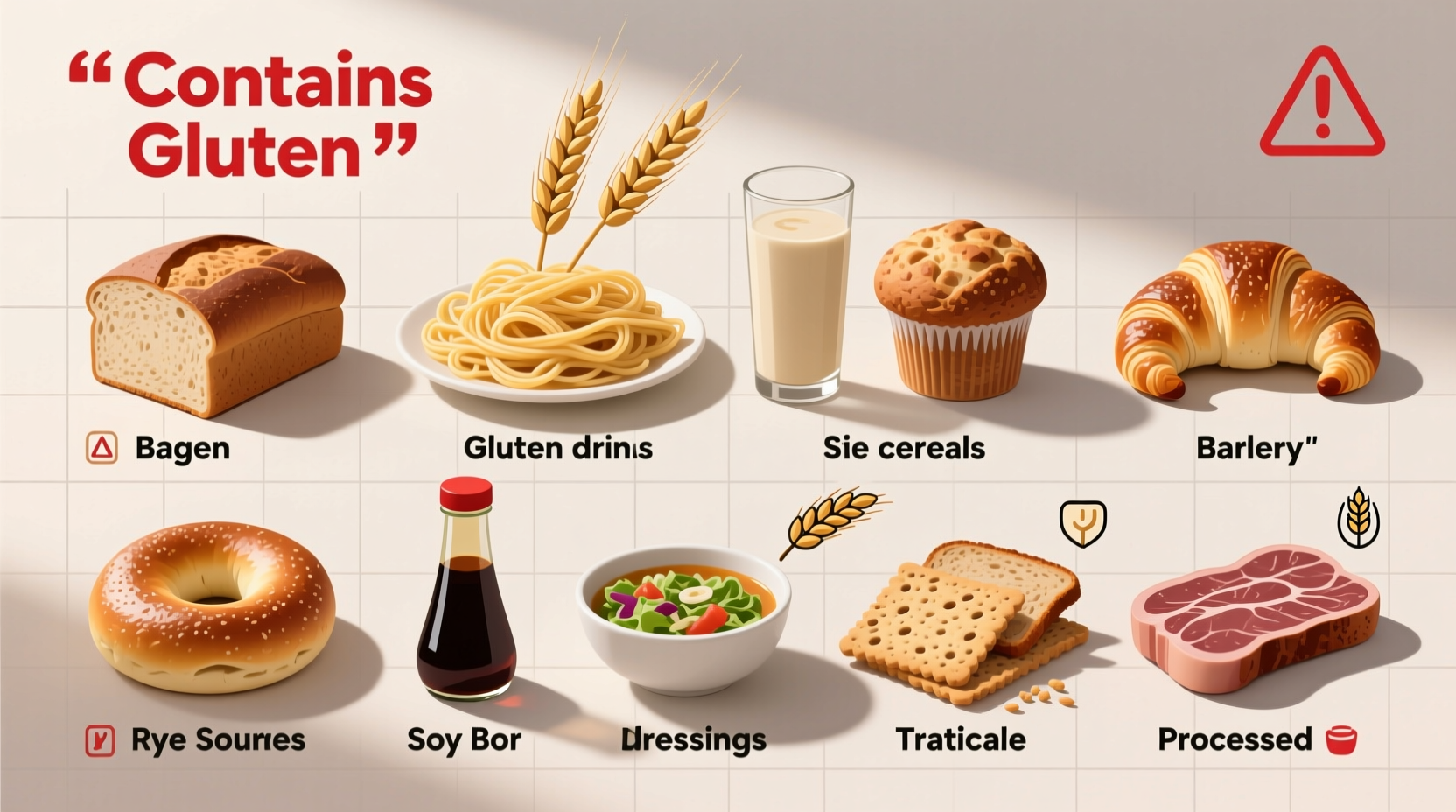
When you need quick answers about gluten-containing foods, start with these primary sources. Wheat, barley, and rye form the foundation of most gluten-containing products you'll encounter daily.
| Grain Type | Common Products | Gluten Content |
|---|---|---|
| Wheat | Bread, pasta, cereals, baked goods | High (8-15% by weight) |
| Barley | Malt, beer, soups, food coloring | Moderate (5-10% by weight) |
| Rye | Rye bread, cereals, some beers | Moderate (3-8% by weight) |
| Triticale | Flour blends, cereals | High (similar to wheat) |
This factual reference comes from the U.S. Food and Drug Administration's guidelines on gluten-free labeling, which establishes clear standards for identifying gluten content in foods.
Hidden Gluten Sources: What Food Labels Don't Always Reveal
Many processed foods contain gluten in unexpected forms. Manufacturers use wheat derivatives for texture, flavor, and preservation, making label reading essential. Watch for these common hidden sources:
- Malt (usually from barley) in cereals, drinks, and flavorings
- Brewer's yeast in supplements and some vinegars
- Modified food starch unless specified as corn or potato-based
- Soy sauce (traditionally made with wheat)
- Seasoning mixes and spice blends that use wheat as a filler
- Processed meats like sausages and deli meats
The Celiac Disease Foundation confirms that approximately 80% of people newly diagnosed with celiac disease initially miss hidden gluten sources in their diet, leading to continued symptoms despite careful avoidance of obvious wheat products.
Cross-Contamination: The Silent Gluten Threat
Even when ingredients are naturally gluten-free, cross-contamination during processing or preparation can introduce dangerous gluten levels. This occurs when:
- Shared equipment processes both gluten-containing and gluten-free products
- Food preparation surfaces aren't properly cleaned between tasks
- Flour dust contaminates nearby foods in commercial kitchens
- Shared fryers cook both gluten-containing and gluten-free items
According to research published in the Journal of Human Nutrition and Dietetics, cross-contamination accounts for nearly 30% of accidental gluten exposures among people following strict gluten-free diets. Always look for certified gluten-free labels on products like oats, which are frequently contaminated during harvesting and processing.
Reading Labels Like a Professional: Your Practical Strategy
Effective label reading requires understanding both obvious and technical terms. Here's your step-by-step approach:
- Check for "gluten-free" certification logos from recognized organizations
- Scan the "Contains" statement for wheat (required by FDA labeling laws)
- Examine the full ingredient list for barley, rye, or their derivatives
- Look for advisory statements like "may contain wheat" or "processed in a facility that also processes wheat"
- When in doubt, contact the manufacturer directly for clarification
When dining out, don't hesitate to ask detailed questions about preparation methods. Restaurants with dedicated gluten-free menus often have staff trained in cross-contamination prevention, but always verify their protocols. The National Restaurant Association reports that only 42% of restaurant staff receive proper gluten-free handling training, making clear communication essential.
Safe Alternatives: Building a Nutritious Gluten-Free Diet
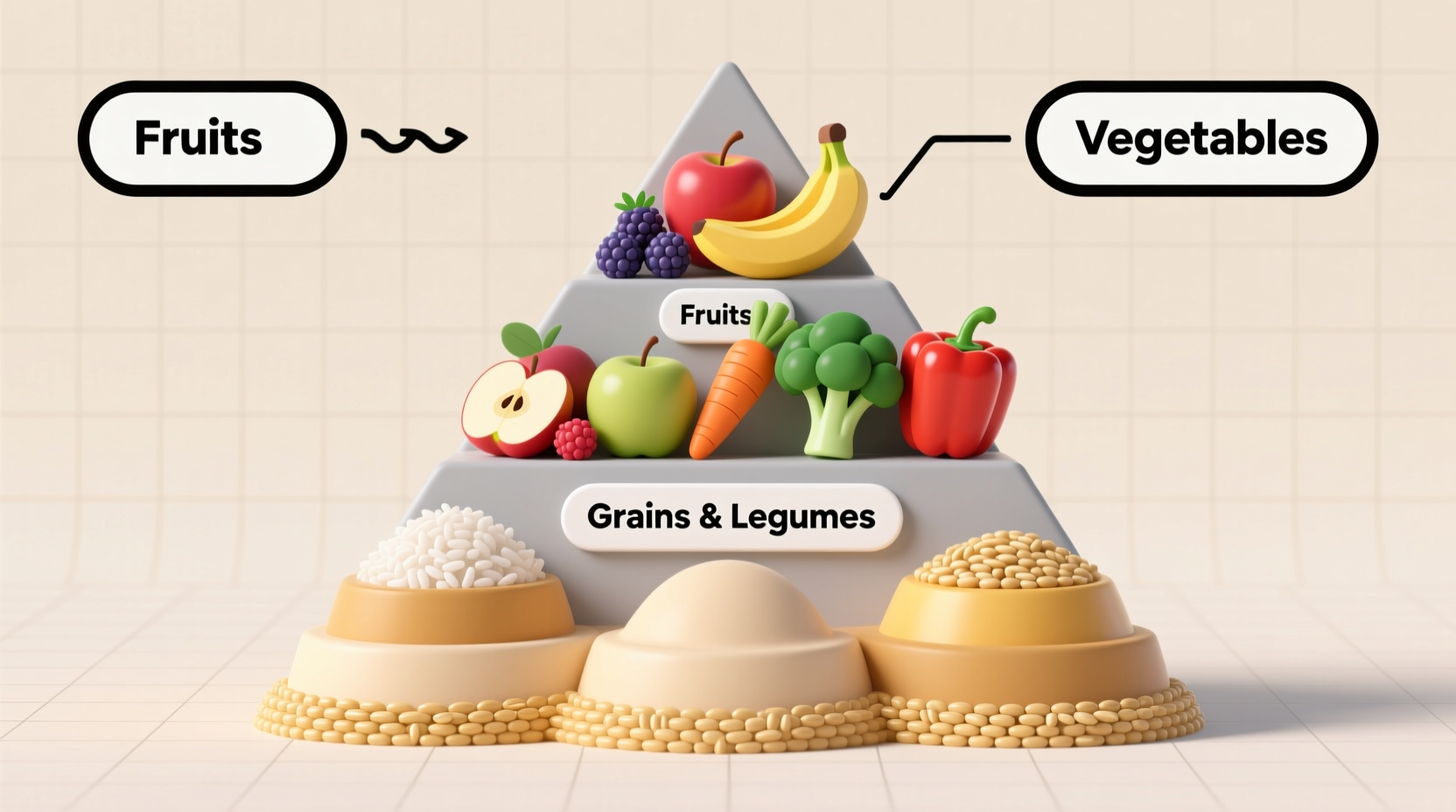
Naturally gluten-free foods form the foundation of a healthy diet. Focus on these nutrient-rich options:
- Fresh fruits and vegetables
- Unprocessed meats, poultry, and fish
- Legumes, nuts, and seeds
- Naturally gluten-free grains like rice, quinoa, buckwheat, and corn
- Dairy products (unless also lactose intolerant)
When selecting packaged gluten-free products, compare nutrition labels as they often contain less fiber and more sugar than their gluten-containing counterparts. The Academy of Nutrition and Dietetics recommends working with a registered dietitian to ensure your gluten-free diet remains nutritionally balanced, particularly for children and pregnant women.
Special Considerations for Different Dietary Needs
Your approach to avoiding gluten may vary based on your specific health condition:
- Celiac disease: Requires strict, lifelong avoidance of all gluten sources (even trace amounts)
- Non-celiac gluten sensitivity: May tolerate occasional small exposures but benefits from consistent avoidance
- Wheat allergy: Only requires avoiding wheat, not necessarily barley or rye
- Gluten ataxia: Requires extremely strict avoidance as neurological symptoms can worsen with minimal exposure
Medical professionals at the University of Chicago Celiac Disease Center emphasize that people with celiac disease must maintain less than 20 parts per million of gluten in their diet to prevent intestinal damage, which is why certified gluten-free products provide the safest option.
Practical Tips for Daily Gluten Avoidance
Implement these strategies to simplify your gluten-free journey:
- Designate separate kitchen tools for gluten-free preparation
- Create a "gluten-free zone" in your pantry and refrigerator
- Use color-coded containers for gluten-free staples
- Carry emergency gluten-free snacks when traveling
- Learn basic gluten-free cooking techniques for homemade versions of favorite foods
Remember that many traditional dishes from around the world are naturally gluten-free. Explore cuisines like Thai (using rice noodles instead of wheat), Indian (focusing on rice-based dishes), and Mexican (using corn tortillas) for diverse flavor options without compromising safety.
When to Consult a Professional
If you're experiencing persistent digestive issues, fatigue, or other symptoms that might indicate gluten sensitivity, consult a healthcare provider before making significant dietary changes. Proper diagnosis through blood tests and potentially an endoscopy is essential for celiac disease, as self-diagnosis and treatment can complicate future testing.
Nutritionists specializing in gluten-related disorders can provide personalized meal planning and help you navigate social situations while maintaining your dietary needs. The American Gastroenterological Association recommends regular follow-up with healthcare providers to monitor nutritional status and symptom management for those on long-term gluten-free diets.




 浙公网安备
33010002000092号
浙公网安备
33010002000092号 浙B2-20120091-4