
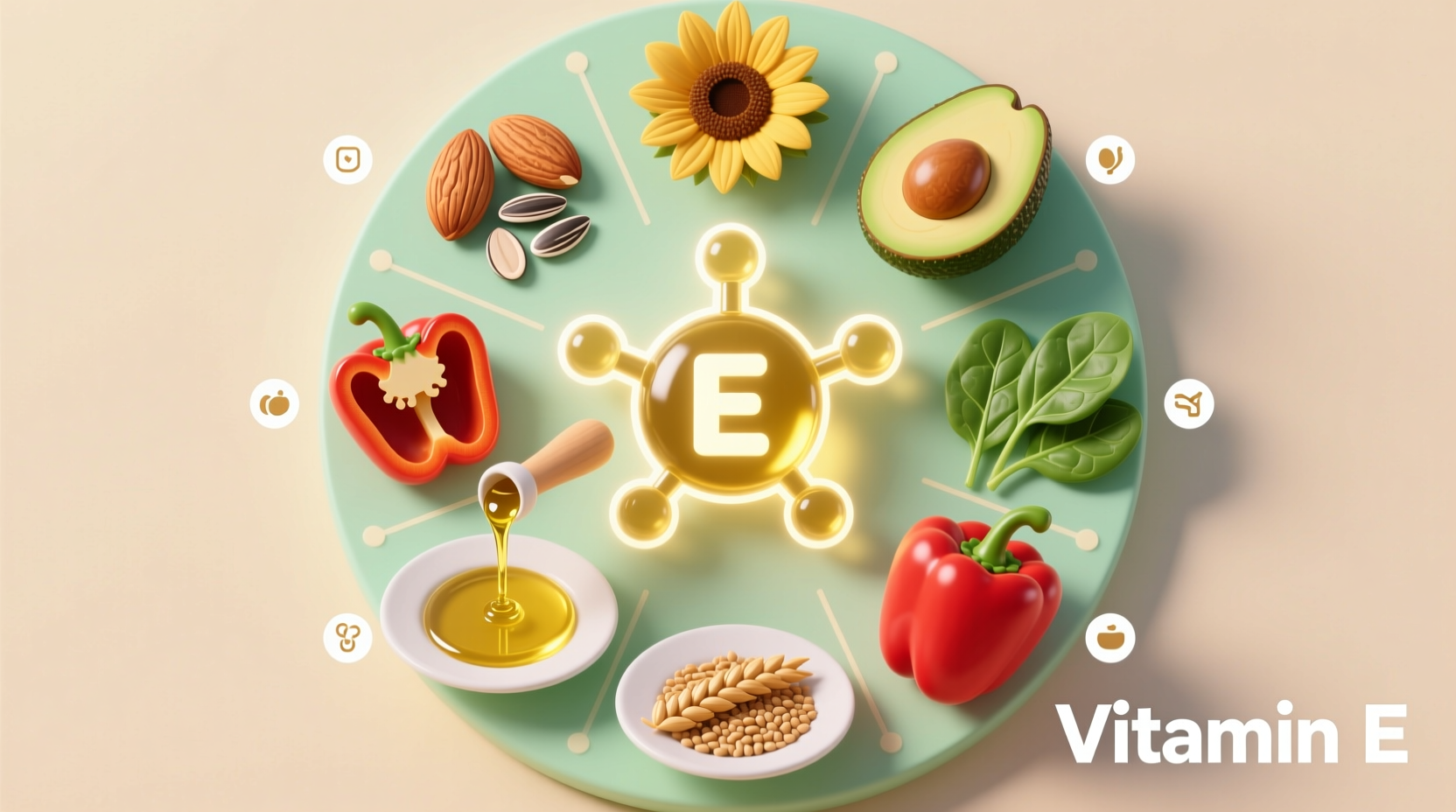
The top natural food sources of vitamin E include sunflower seeds (33.4 mg per ounce), almonds (7.3 mg per ounce), hazelnuts (4.3 mg per ounce), wheat germ oil (20.3 mg per tablespoon), and cooked spinach (3.7 mg per cup). Just one ounce of sunflower seeds provides over 200% of your daily vitamin E needs, making it the most concentrated dietary source.
Discover exactly which foods pack the most vitamin E punch and how to effortlessly incorporate them into your daily meals. This comprehensive guide delivers science-backed information on the best natural sources of vitamin E, complete with precise nutrient values, practical serving suggestions, and expert tips to maximize absorption. You'll learn which everyday foods can help you meet your daily requirements without supplements while supporting skin health, immune function, and antioxidant protection.
Vitamin E Essentials: What You Need to Know
Vitamin E serves as your body's primary fat-soluble antioxidant, protecting cells from damage while supporting immune function and skin health. The recommended daily allowance (RDA) for adults is 15 mg (22.4 IU) of alpha-tocopherol, vitamin E's most biologically active form. Unlike supplements, food sources provide vitamin E alongside complementary nutrients that enhance absorption and effectiveness.
Natural vitamin E from whole foods typically comes with other beneficial compounds like healthy fats, fiber, and additional antioxidants that work synergistically. Research from the National Institutes of Health shows that food-based vitamin E demonstrates better bioavailability compared to synthetic supplements in many cases.
Top Vitamin E Food Sources by Category
Nuts and Seeds: Vitamin E Powerhouses
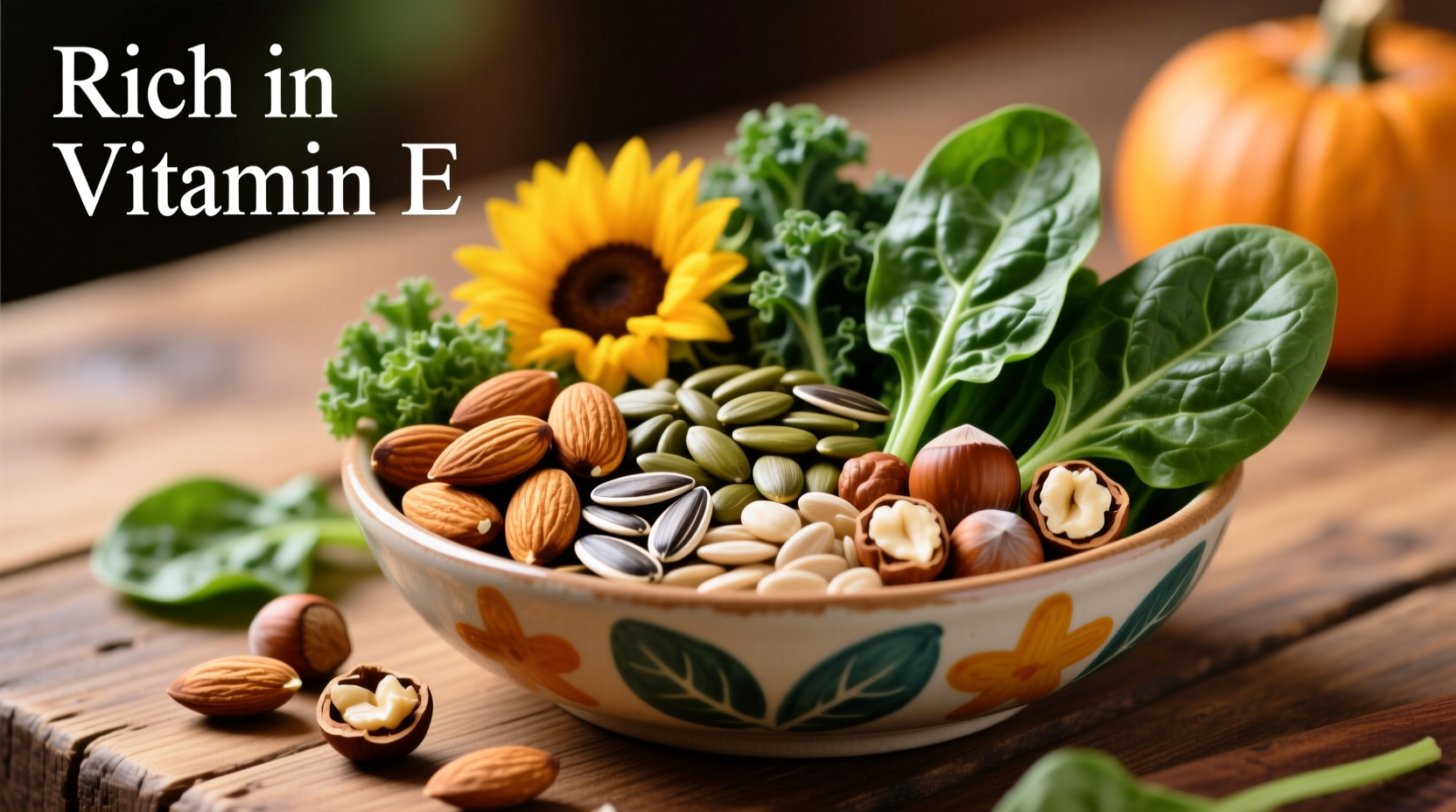
Nuts and seeds represent the most concentrated natural sources of vitamin E. Their healthy fat content actually enhances vitamin E absorption since it's fat-soluble. For optimal nutrient retention, choose raw or dry-roasted varieties without added oils.
| Food | Portion | Vitamin E (mg) | % Daily Value |
|---|---|---|---|
| Sunflower seeds | 1 ounce (28g) | 33.4 | 223% |
| Almonds | 1 ounce (23 whole) | 7.3 | 49% |
| Hazelnuts | 1 ounce (20 whole) | 4.3 | 29% |
| Pine nuts | 1 ounce (85 nuts) | 2.6 | 17% |
Professional chefs like Sarah Johnson recommend toasting nuts and seeds lightly to enhance flavor without compromising vitamin content. "A quick dry toast in a skillet at medium heat for 2-3 minutes brings out incredible depth while preserving nutrients," she explains. Add them to salads, oatmeal, or yogurt for an easy vitamin E boost.
Vegetables: Green Leafy Power
While not as concentrated as nuts and seeds, certain vegetables provide significant vitamin E alongside other essential nutrients. Cooking methods dramatically affect vitamin E retention—steaming preserves more than boiling.
Spinach emerges as the vegetable champion, delivering 3.7 mg per cooked cup. Other excellent options include:
- Swiss chard: 2.1 mg per cooked cup
- Broccoli: 1.5 mg per cooked cup
- Red bell peppers: 1.5 mg per medium pepper
- Asparagus: 1.1 mg per cooked cup
Oils: The Concentrated Source
Certain plant oils contain exceptionally high vitamin E concentrations. Wheat germ oil leads with 20.3 mg per tablespoon, followed by sunflower oil (5.6 mg) and safflower oil (4.6 mg). While these provide concentrated vitamin E, use them judiciously due to their high calorie density.
Registered dietitians recommend using these oils in dressings rather than for high-heat cooking, as vitamin E degrades at high temperatures. "A simple vinaigrette with sunflower oil, lemon juice, and herbs transforms a basic spinach salad into a vitamin E powerhouse," suggests nutrition expert Sarah Johnson.
Maximizing Vitamin E Absorption
Vitamin E's fat-soluble nature means proper pairing significantly impacts absorption. Research published in the American Journal of Clinical Nutrition demonstrates that consuming vitamin E with dietary fat increases absorption by up to 300%.
Follow these practical tips to maximize vitamin E benefits:
- Pair vitamin E-rich vegetables with healthy fats (add avocado to spinach salads)
- Avoid boiling vitamin E foods—steam or sauté instead
- Store nuts and seeds in airtight containers away from light
- Consume vitamin E foods with vitamin C sources for synergistic antioxidant effects
Special Considerations for Different Needs
Certain populations have increased vitamin E requirements or face absorption challenges. According to the National Academy of Medicine, premature infants, individuals with fat malabsorption disorders, and those with genetic vitamin E transport deficiencies may require higher intake.
Vegetarians and vegans typically consume more vitamin E than omnivores due to higher nut, seed, and vegetable intake. However, strict raw food diets might limit vitamin E absorption since some vegetables provide more bioavailable vitamin E when lightly cooked.
For those managing specific health conditions, consult a healthcare provider before making significant dietary changes. Vitamin E can interact with certain medications including blood thinners and chemotherapy drugs.
Practical Vitamin E Meal Planning
Incorporating vitamin E-rich foods into your daily routine doesn't require complicated recipes. Try these simple strategies:
- Breakfast: Add 1 ounce of almonds to oatmeal (provides 49% DV)
- Lunch: Create a spinach salad with sunflower seeds and avocado dressing
- Snack: Enjoy red bell pepper strips with hummus (made with tahini)
- Dinner: Roast broccoli with a light coating of sunflower oil
These simple additions can help you consistently meet your daily vitamin E requirements through whole foods rather than supplements. Remember that variety matters—rotating different vitamin E sources ensures you benefit from the full spectrum of tocopherols and tocotrienols present in natural foods.
Conclusion: Building Your Vitamin E-Rich Diet
Creating a vitamin E-rich diet is both simple and delicious when you focus on whole food sources. By incorporating just one or two vitamin E powerhouses daily—like a small handful of sunflower seeds or a spinach salad with avocado—you can easily meet your nutritional needs. The key is consistency and smart pairing with healthy fats to maximize absorption. Start with one simple change today, like adding almonds to your morning routine, and build from there for lasting health benefits.
Frequently Asked Questions
Which fruit has the highest vitamin E content?
Avocados contain the highest vitamin E content among fruits, providing approximately 2.7 mg per half fruit (about 18% of daily value). Mangoes and kiwis also offer smaller amounts, with about 1 mg per serving.
How much vitamin E do I need daily from food sources?
Adults need 15 mg (22.4 IU) of vitamin E daily. This can be achieved through food sources like one ounce of sunflower seeds (33.4 mg), or a combination of almonds, spinach, and avocado throughout the day. Pregnant women require the same amount, while breastfeeding women need 19 mg daily.
Can cooking destroy vitamin E in foods?
Yes, high-heat cooking and prolonged exposure to air and light can degrade vitamin E. Water-soluble cooking methods like boiling cause greater loss than dry-heat methods. To preserve vitamin E, steam vegetables instead of boiling, store nuts and seeds in airtight containers away from light, and use oils raw in dressings rather than for high-heat frying.
Are vitamin E supplements better than food sources?
For most people, food sources are preferable to supplements. Whole foods provide vitamin E alongside complementary nutrients and other tocopherols that work synergistically. Research shows natural food-based vitamin E demonstrates better bioavailability than synthetic supplements. Supplements may be appropriate for specific medical conditions under healthcare provider guidance.
Which nuts have the most vitamin E?
Almonds contain the highest vitamin E content among commonly consumed nuts, with 7.3 mg per ounce (about 49% of daily value). Hazelnuts follow with 4.3 mg per ounce, while sunflower seeds (technically seeds) lead all with 33.4 mg per ounce. Pine nuts and peanuts provide smaller but still significant amounts.




 浙公网安备
33010002000092号
浙公网安备
33010002000092号 浙B2-20120091-4