
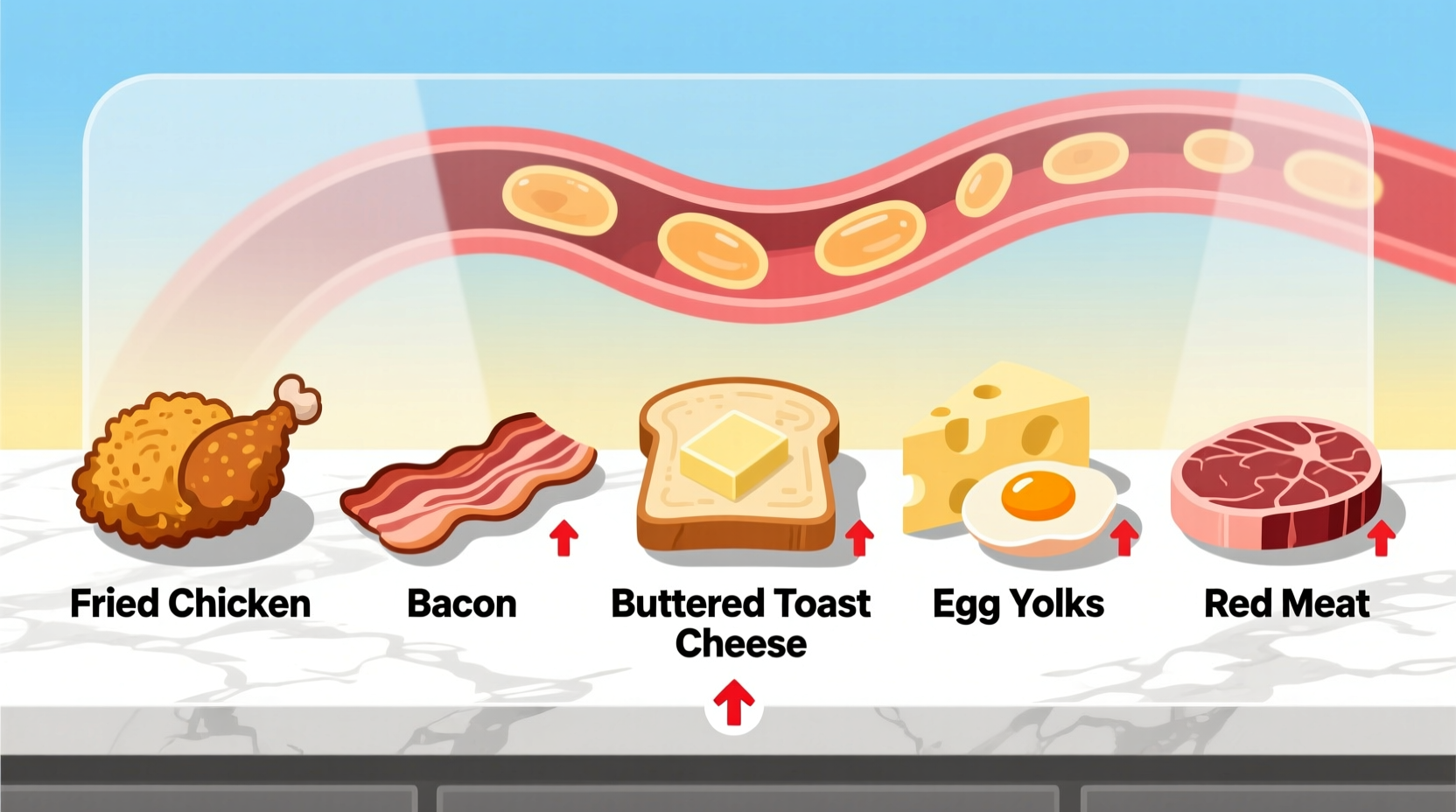
Understanding which foods impact your cholesterol levels is crucial for heart health. With cardiovascular disease remaining a leading cause of death worldwide, making informed dietary choices has never been more important. This guide delivers science-backed information about the specific foods that raise cholesterol, why they have this effect, and practical alternatives you can implement immediately.
Understanding Cholesterol: The Basics You Need
Cholesterol itself isn't inherently bad - your body needs it for vital functions like hormone production and cell building. The problem arises when you have too much LDL ("bad") cholesterol circulating in your bloodstream, which can lead to plaque buildup in arteries. HDL ("good") cholesterol helps remove excess cholesterol from your system.
While your liver produces all the cholesterol your body needs, certain dietary components significantly influence your blood cholesterol levels. Contrary to popular belief, dietary cholesterol (found in animal products) has less impact on blood cholesterol for most people than saturated and trans fats. This important distinction shapes which foods you should prioritize avoiding.
Top Foods That Raise Cholesterol Levels
Research consistently identifies specific food categories that most significantly impact cholesterol levels. Understanding these will help you make smarter choices at the grocery store and restaurant.
Saturated Fat Powerhouses
Saturated fats have the strongest impact on raising LDL cholesterol. The American Heart Association recommends limiting saturated fat to no more than 5-6% of your daily calories. Common culprits include:
- Fatty cuts of red meat (ribeye steak, pork belly, lamb shoulder)
- Processed meats (sausages, bacon, salami)
- Full-fat dairy products (whole milk, butter, cheese, cream)
- Tropical oils (coconut oil, palm oil, palm kernel oil)
- Baked goods made with butter or shortening (pastries, cookies, cakes)
The Hidden Danger of Trans Fats
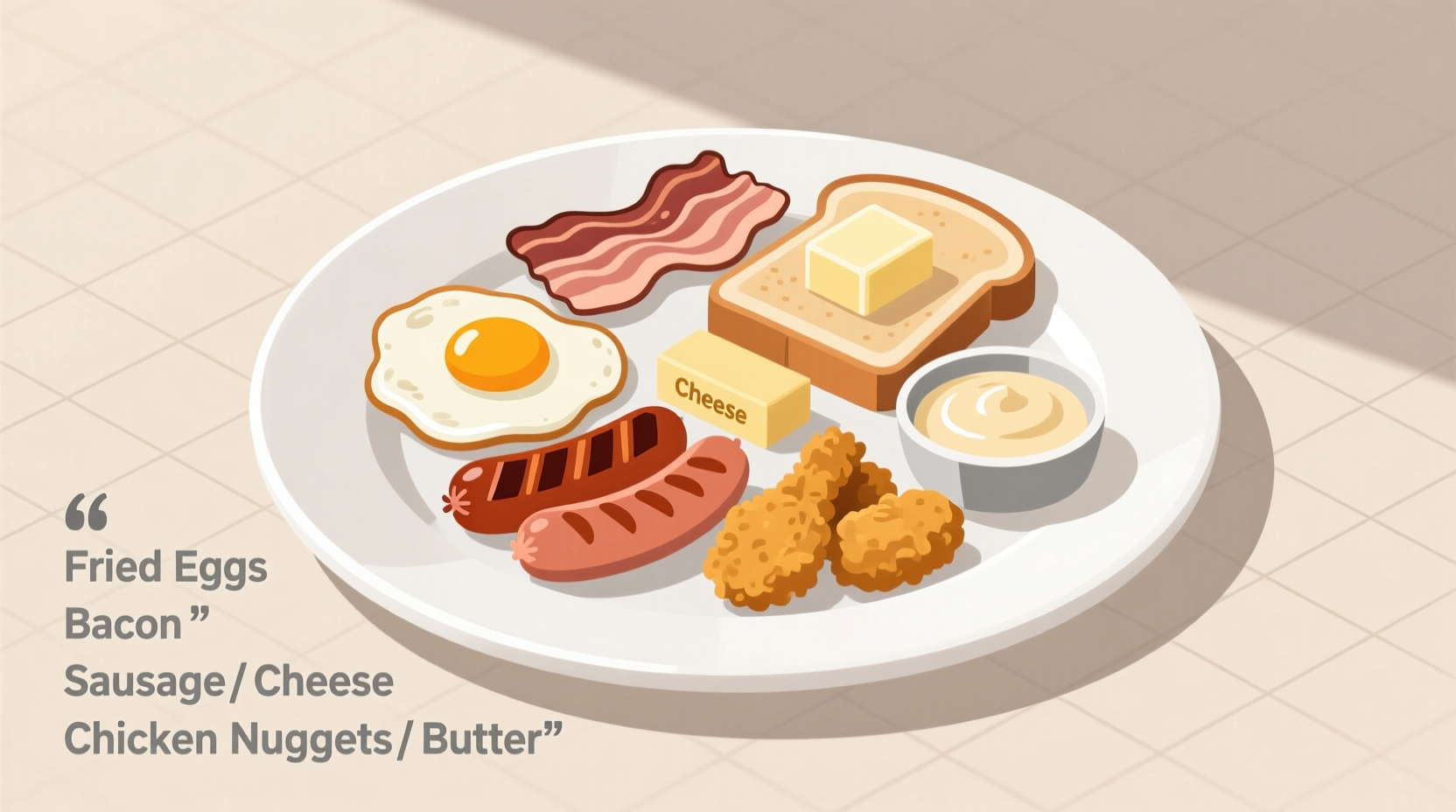
Artificial trans fats are even more harmful than saturated fats, raising LDL while simultaneously lowering HDL. Though banned in many countries, they still appear in some products. Watch for "partially hydrogenated oils" on ingredient lists in:
- Fried foods (especially from fast food restaurants)
- Non-dairy coffee creamers
- Margarine (particularly stick forms)
- Ready-to-use frosting
- Many packaged snack foods
| Food Category | Cholesterol Impact | Recommended Limit |
|---|---|---|
| Fatty red meats | High (saturated fat) | < 1 serving/week |
| Processed meats | Very high (saturated + sodium) | Avoid regularly |
| Full-fat dairy | Moderate to high | Choose low-fat alternatives |
| Tropical oils | High (saturated fat) | Limit use |
| Trans fat-containing foods | Very high (LDL up, HDL down) | Avoid completely |
Why Some People React Differently to Cholesterol-Raising Foods
It's important to understand that individual responses to dietary cholesterol vary significantly. Approximately 70% of people are "compensators" - their bodies naturally reduce cholesterol production when they consume more from food. The remaining 30% are "hyper-responders" who experience more significant blood cholesterol increases from dietary sources.
Genetic factors like the APOE4 gene variant can influence how your body processes cholesterol. This explains why some people can eat eggs daily without issues while others need to be more cautious. If you have a family history of high cholesterol or heart disease, you may want to be particularly mindful of these dietary factors.
Practical Swaps for a Heart-Healthy Diet
Changing your eating habits doesn't mean deprivation - it's about smarter choices. Try these evidence-based substitutions that maintain flavor while improving your cholesterol profile:
- Instead of butter: Use olive oil, avocado, or nut butters in moderation
- Instead of fatty meats: Choose lean poultry, fish, or plant-based proteins
- Instead of whole milk: Opt for unsweetened almond, soy, or oat milk
- Instead of fried foods: Bake, grill, or air-fry with minimal oil
- Instead of processed snacks: Reach for fruits, vegetables with hummus, or a small handful of nuts
Research published in the Journal of the American College of Cardiology shows that replacing just 5% of calories from saturated fats with unsaturated fats can reduce heart disease risk by up to 25%. Small changes truly make a difference over time.
Building a Sustainable Heart-Healthy Eating Pattern
Rather than focusing on single "bad" foods, consider adopting an overall dietary pattern known to support healthy cholesterol levels. The Mediterranean diet, DASH diet, and plant-forward eating patterns all demonstrate significant benefits for cardiovascular health.
Key elements to incorporate:
- Soluble fiber (oats, beans, lentils, apples) which binds cholesterol in the digestive system
- Omega-3 fatty acids (fatty fish, walnuts, flaxseeds) that improve lipid profiles
- Plant sterols (found in some fortified foods) that block cholesterol absorption
- Regular physical activity which boosts HDL cholesterol
The Centers for Disease Control and Prevention emphasizes that dietary changes combined with regular exercise produce the best results for managing cholesterol levels naturally. Remember that improvement takes time - most people see significant changes after 4-12 weeks of consistent healthy eating.
When to Consult a Healthcare Professional
While dietary changes are powerful, some people require medication to manage high cholesterol effectively. If you have:
- LDL cholesterol above 190 mg/dL
- A history of heart disease or stroke
- Multiple risk factors for cardiovascular disease
- Genetic conditions affecting cholesterol metabolism
Discuss your options with a healthcare provider. The American Heart Association recommends regular cholesterol screening starting at age 20, with follow-ups every 4-6 years for most adults.




 浙公网安备
33010002000092号
浙公网安备
33010002000092号 浙B2-20120091-4