
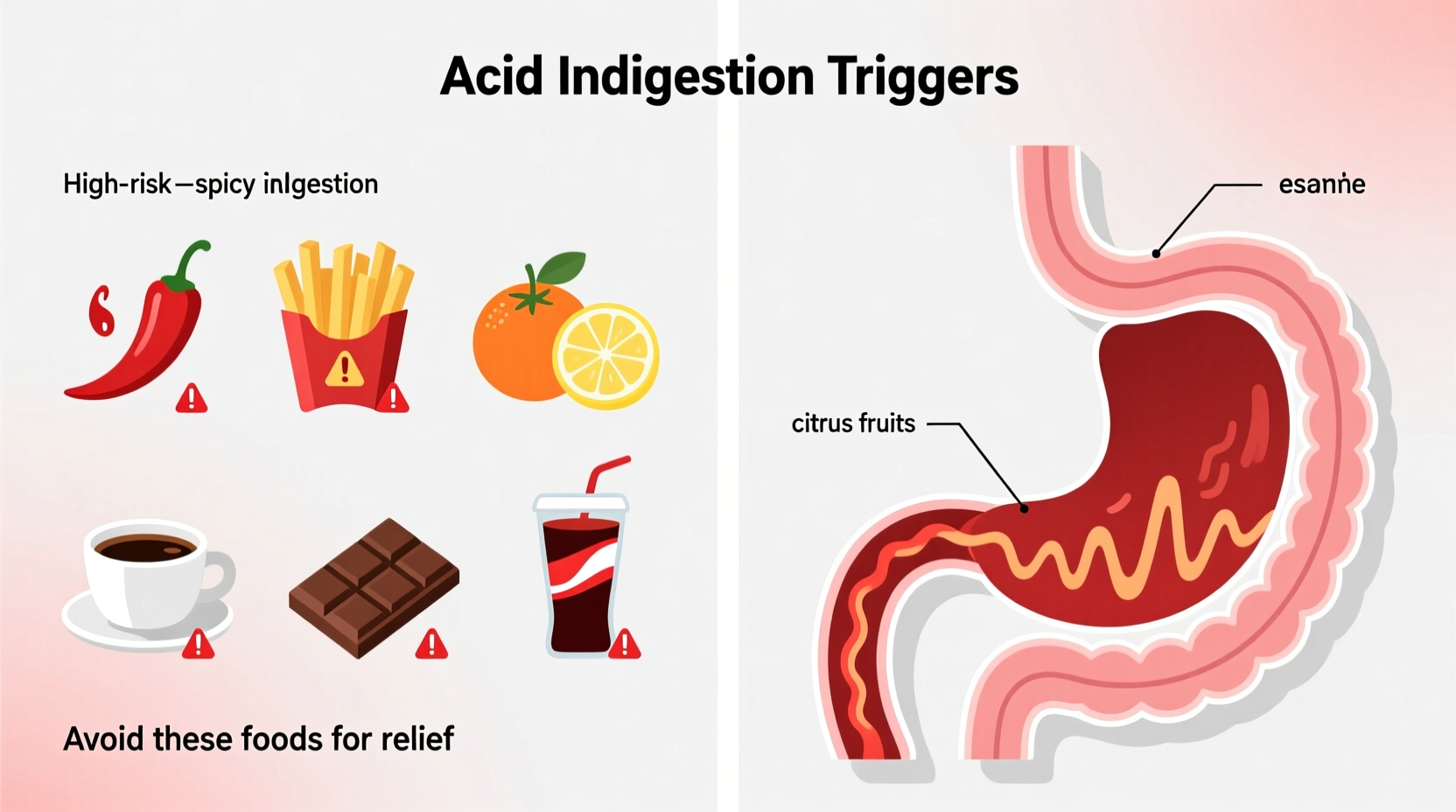
The top foods that commonly cause acid indigestion include citrus fruits, tomatoes, spicy dishes, fatty and fried foods, chocolate, mint, coffee, carbonated beverages, alcohol, and onions. These items either relax the lower esophageal sphincter (allowing stomach acid to flow back) or stimulate excess acid production, triggering uncomfortable symptoms like heartburn and regurgitation.
If you've ever experienced that burning sensation in your chest after a meal, you're not alone. Acid indigestion affects millions of people worldwide, and what you eat plays a crucial role in triggering these uncomfortable episodes. Understanding exactly which foods cause acid indigestion—and why—can help you make smarter dietary choices and find lasting relief.
Why Certain Foods Trigger Acid Indigestion
Acid indigestion, also known as heartburn or acid reflux, occurs when stomach acid flows back into your esophagus. Certain foods contribute to this problem through two primary mechanisms: relaxing the lower esophageal sphincter (LES) or stimulating excess stomach acid production.
According to research from the National Institute of Diabetes and Digestive and Kidney Diseases, "foods that relax the LES or increase acid production can trigger GERD symptoms in susceptible individuals." This explains why seemingly healthy foods like citrus fruits or tomatoes can cause problems for some people.
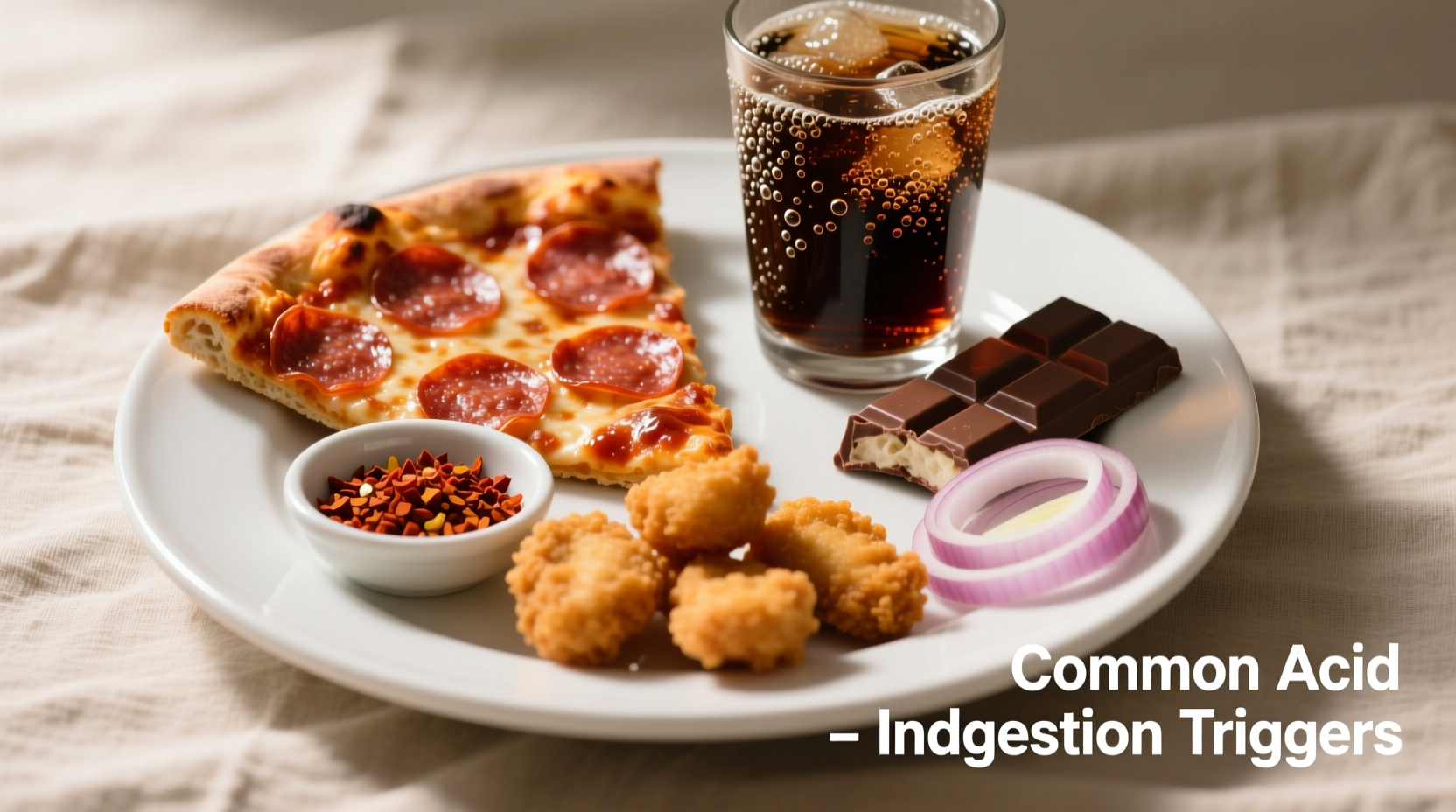
Your Personal Trigger Profile Matters
It's important to recognize that acid indigestion triggers vary significantly between individuals. What causes severe symptoms for one person might be perfectly tolerable for another. This variation explains why medical professionals recommend keeping a food diary to identify your personal triggers.
A 2022 study published in the American Journal of Gastroenterology found that "only 30% of patients experienced symptoms from the same top five trigger foods," highlighting the importance of personalized dietary management rather than one-size-fits-all restrictions.
Detailed Breakdown of Common Acid Indigestion Triggers
Citrus Fruits and Juices
Oranges, grapefruits, lemons, and their juices have high acid content that can directly irritate the esophagus and stimulate additional stomach acid production. While vitamin C rich, these foods frequently trigger symptoms in sensitive individuals.
Tomatoes and Tomato-Based Products
Tomato sauce, ketchup, and other tomato products have a pH level similar to stomach acid, making them particularly problematic. The Mayo Clinic identifies tomatoes as one of the most common dietary triggers for acid reflux.
Spicy Foods
Chili peppers and hot sauces containing capsaicin can slow digestion and irritate the digestive tract lining. This doesn't affect everyone equally—some cultures regularly consume spicy foods without issues, while others experience immediate discomfort.
Fatty and Fried Foods
High-fat foods delay stomach emptying, increasing pressure on the LES. Fried foods, fatty cuts of meat, and rich sauces are particularly problematic. The slower digestion process gives stomach acid more time to potentially flow backward.
| Common Trigger Foods | Why They Cause Problems | Lower-Risk Alternatives |
|---|---|---|
| Citrus fruits and juices | High acid content irritates esophagus | Melons, bananas, apples |
| Tomato-based products | pH similar to stomach acid | Beets, sweet potatoes, carrots |
| Fried and fatty foods | Slow digestion, increase stomach pressure | Grilled, baked, or steamed lean proteins |
| Coffee and caffeinated drinks | Stimulate acid production, relax LES | Herbal teas, decaf coffee |
Hidden Triggers You Might Not Expect
Some common foods cause acid indigestion through less obvious mechanisms:
- Chocolate - Contains methylxanthine, which relaxes the LES
- Mint - Peppermint and spearmint relax digestive tract muscles
- Carbonated beverages - Increase stomach pressure through gas production
- Alcohol - Particularly wine and spirits that relax the LES
- Onions and garlic - Can trigger relaxation of the LES in sensitive individuals
Practical Strategies for Managing Food Triggers
Instead of eliminating entire food groups, try these evidence-based approaches:
Implement a Food Symptom Diary
Track what you eat alongside any symptoms. Note the time between eating and symptom onset—this helps identify true triggers versus coincidental occurrences. The American College of Gastroenterology recommends this personalized approach over blanket dietary restrictions.
Modify Cooking Methods
How you prepare food matters as much as what you eat. Try:
- Grilling instead of frying
- Using lean cuts of meat
- Replacing tomato sauce with roasted red pepper sauce
- Choosing baking or steaming over deep-frying
Adjust Meal Timing and Portions
Eating smaller portions and avoiding meals within 3 hours of bedtime significantly reduces nighttime symptoms. Research shows that "large meals increase gastric pressure and LES relaxation episodes" according to a Johns Hopkins Medicine study.
When Dietary Changes Aren't Enough
If you've eliminated common trigger foods but still experience frequent symptoms (more than twice weekly), consult a healthcare provider. Persistent acid indigestion could indicate gastroesophageal reflux disease (GERD) or other conditions requiring medical evaluation.
The American Gastroenterological Association emphasizes that "symptoms warranting medical attention include difficulty swallowing, unexplained weight loss, vomiting blood, or black stools"—these require immediate professional assessment.




 浙公网安备
33010002000092号
浙公网安备
33010002000092号 浙B2-20120091-4