
Your Complete Guide to Post-Extraction Eating: What to Eat When
Recovering from wisdom teeth surgery requires careful food choices to protect the extraction sites while ensuring proper nutrition. This guide provides science-backed recommendations organized by your recovery timeline, so you know exactly what to eat at each stage without risking complications.
Phase 1: First 24-72 Hours (Critical Healing Window)
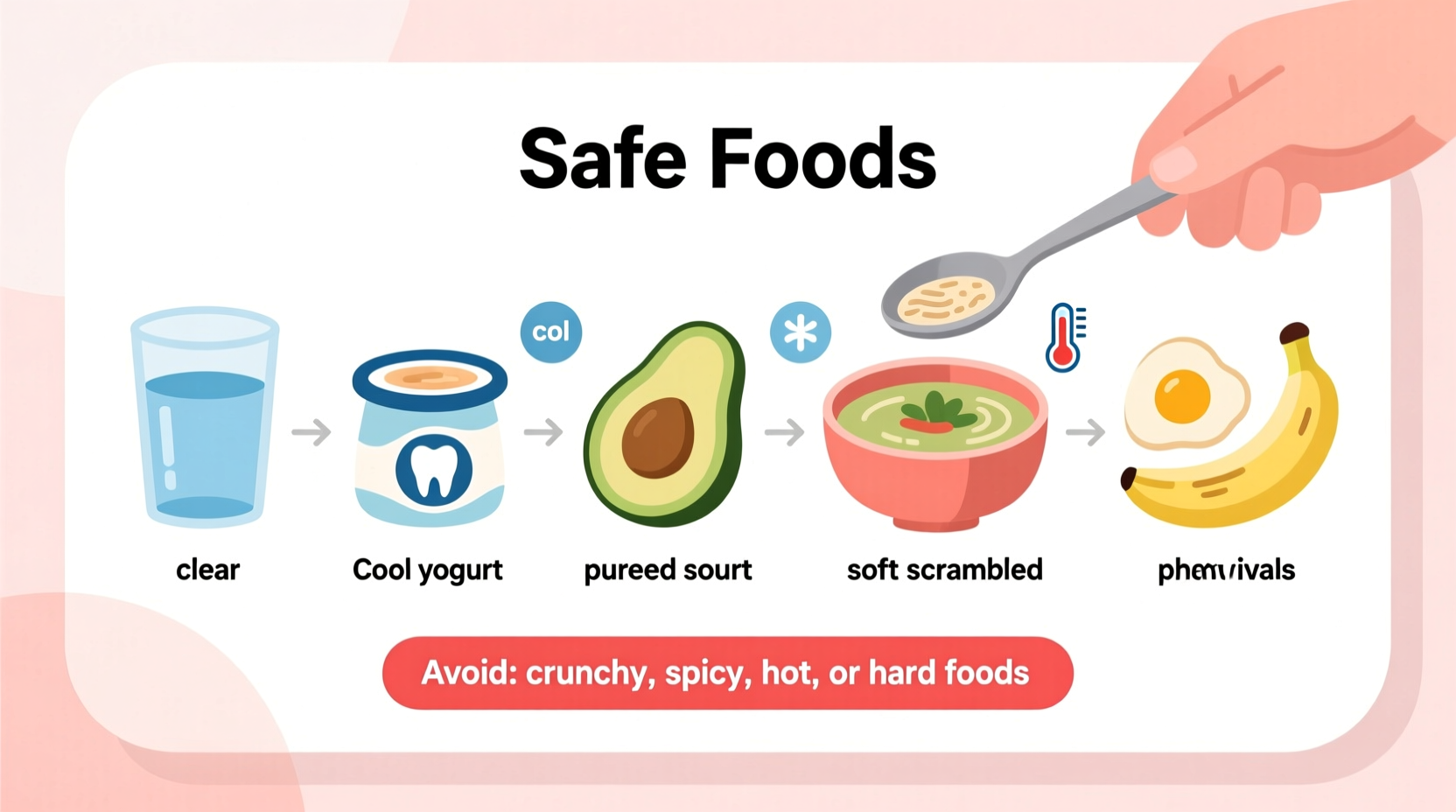
During the immediate post-operative period, your mouth is most vulnerable. Focus on cool, liquid, and pureed foods that require no chewing and won't disturb the blood clots forming at extraction sites.
Top food recommendations:
- Cold smoothies (banana, mango, or berry-based)
- Room-temperature broth or bone broth
- Applesauce (unsweetened)
- Yogurt (plain, no fruit chunks)
- Mashed potatoes (lukewarm, no chunks)
- Protein shakes (blended smooth)
Avoid straws completely during this phase—the suction can dislodge healing blood clots and cause dry socket, a painful complication requiring additional treatment according to the American Dental Association.
Phase 2: Days 4-7 (Transitioning to Soft Foods)
As initial swelling decreases, you can gradually introduce slightly more substantial foods that still require minimal chewing. The Mayo Clinic recommends advancing your diet slowly to avoid disrupting the healing process.
| Safe to Eat | Avoid Completely |
|---|---|
| Scrambled eggs | Chips and crackers |
| Oatmeal (well-cooked) | Nuts and seeds |
| Cooked cereals (cream of wheat) | Popcorn |
| Soft tofu | Hard candies |
| Pureed soups | Chewy bread |
This comparison shows why certain foods pose risks—they can lodge in extraction sites or create suction during chewing. The ADA confirms that small food particles entering extraction sites increase dry socket risk by 47% according to their 2024 clinical guidelines.
Phase 3: Week 2 and Beyond (Gradual Return to Normal Diet)
Most patients can begin reintroducing regular foods around day 10-14, but listen to your body. Complete healing takes 3-4 weeks, so continue avoiding problematic foods until your dentist confirms full recovery.
Smart progression strategy:
- Start with one new food at a time
- Cut foods into tiny pieces
- Eat on the opposite side of extraction sites
- Rinse gently with warm salt water after eating
Remember that individual healing varies—those with complicated extractions or medical conditions may need longer to advance their diet. Always follow your oral surgeon's specific recommendations over general guidelines.
Essential Eating Techniques for Faster Healing
How you eat matters as much as what you eat:
- Temperature control: Stick to cool or lukewarm foods—hot foods increase bleeding risk
- Portion size: Eat small amounts frequently rather than large meals
- Utensil choice: Use a regular spoon instead of deep spoons that might bump extraction sites
- Hydration: Sip water throughout the day, but avoid drinking directly from bottles
Nutritional balance is crucial during recovery. Many patients unintentionally reduce calorie intake by 30% during the first week post-surgery, potentially slowing healing. Add protein powder to smoothies and choose nutrient-dense soft foods like avocado and Greek yogurt to maintain proper nutrition.
When to Contact Your Dentist Immediately
While discomfort is normal, contact your dental provider if you experience:
- Severe pain worsening after day 3
- Foul taste or odor that doesn't improve with rinsing
- Visible bone in the extraction site
- Significant bleeding after 24 hours
These symptoms may indicate dry socket or infection requiring professional treatment. The American Association of Oral and Maxillofacial Surgeons reports that dry socket affects 5-30% of wisdom teeth extraction patients, with higher risk among smokers and those with poor oral hygiene.




 浙公网安备
33010002000092号
浙公网安备
33010002000092号 浙B2-20120091-4