
Understanding which foods contain vitamin B6 is crucial for maintaining optimal health. This essential nutrient plays a vital role in over 100 enzyme reactions in your body, particularly those involved in protein metabolism. Unlike some vitamins, your body doesn't store vitamin B6, making regular dietary intake necessary for maintaining proper brain development, immune function, and red blood cell production.
Why Vitamin B6 Matters for Your Health
Vitamin B6, also known as pyridoxine, serves as a coenzyme that helps your body convert food into energy. According to the National Institutes of Health, adequate vitamin B6 intake supports cognitive development, homocysteine regulation (important for heart health), and neurotransmitter creation. Deficiency can lead to weakened immunity, anemia, and neurological symptoms like depression and confusion.
Research published in the American Journal of Clinical Nutrition shows that populations with higher vitamin B6 intake demonstrate better cognitive performance as they age. The nutrient's role in synthesizing neurotransmitters like serotonin and GABA directly impacts mood regulation and sleep patterns.
Vitamin B6 Food Sources: What You Need to Know
When selecting vitamin B6-rich foods, understanding both quantity and bioavailability is essential. Animal sources generally provide pyridoxal 5'-phosphate (PLP), the active form your body can use immediately, while plant sources contain pyridoxine that requires conversion.
| Food Source | Serving Size | Vitamin B6 (mg) | % Daily Value |
|---|---|---|---|
| Chickpeas (cooked) | 1 cup | 1.1 | 65% |
| Tuna (yellowfin, cooked) | 3 ounces | 0.9 | 53% |
| Salmon (cooked) | 3 ounces | 0.6 | 35% |
| Chicken breast (cooked) | 3 ounces | 0.5 | 29% |
| Potatoes (with skin, baked) | 1 medium | 0.4 | 24% |
| Bananas | 1 medium | 0.4 | 24% |
| Pistachios | 1 ounce | 0.5 | 29% |
| Sunflower seeds | 1 ounce | 0.3 | 18% |
Data sourced from the USDA FoodData Central database (2023 release). The Daily Value is based on a 1.7mg requirement for adults.
Plant-Based Vitamin B6 Options for Vegetarians and Vegans
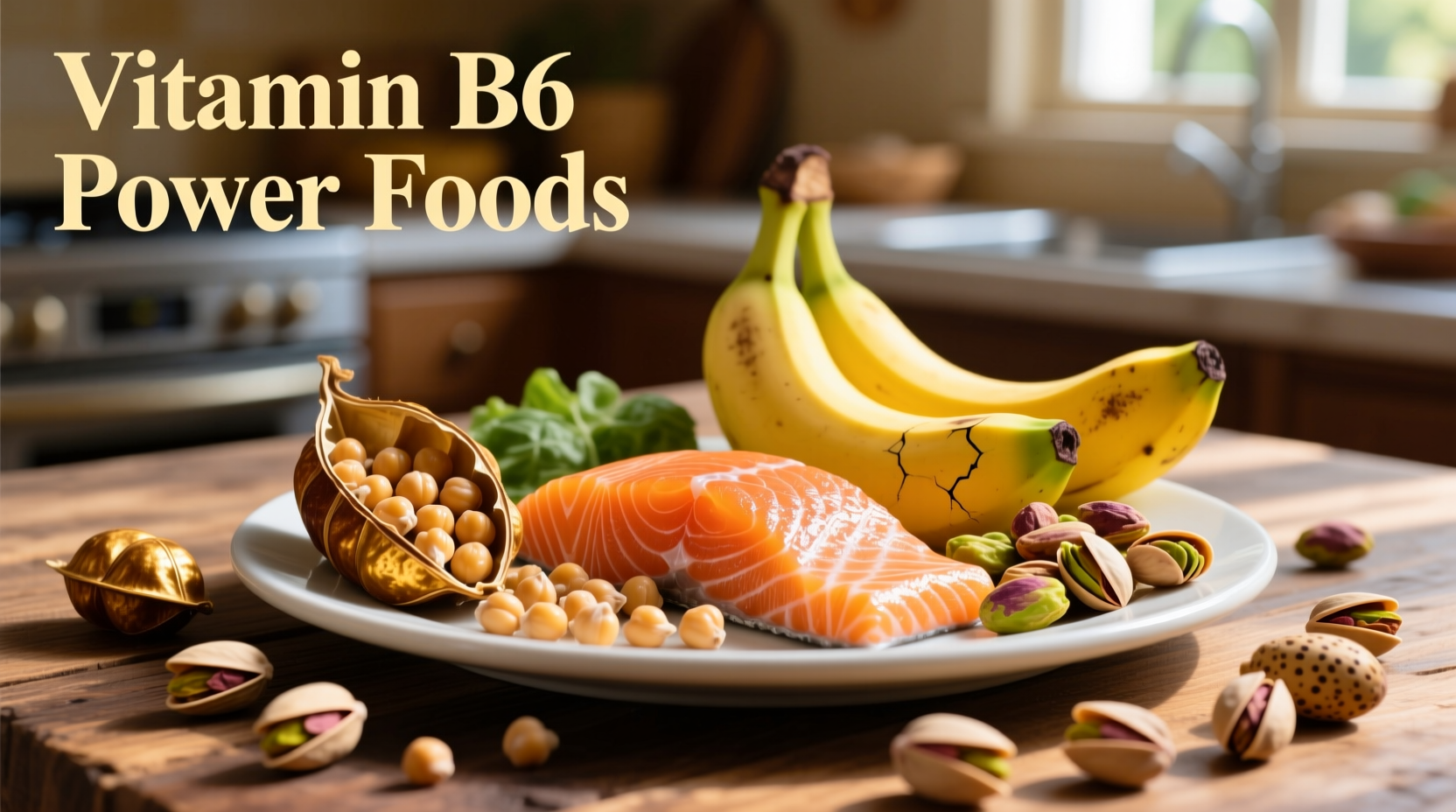
Finding sufficient vitamin B6 on plant-based diets requires strategic planning. While animal products generally contain higher concentrations per serving, several plant foods provide excellent sources. Chickpeas stand out as the most potent plant source, delivering over half your daily requirement in a single serving. Other valuable options include:
- Lentils (0.2mg per ½ cup cooked) - versatile for soups and salads
- Sweet potatoes (0.3mg per medium potato) - rich in other nutrients too
- Avocados (0.4mg per whole fruit) - excellent source of healthy fats
- Nutritional yeast (1.4mg per ¼ cup) - popular B-vitamin booster for vegans
- Fortified breakfast cereals (varies by brand) - check labels for 25-100% DV
A study in the Journal of the Academy of Nutrition and Dietetics found that vegetarians typically consume comparable vitamin B6 levels to non-vegetarians when including diverse plant sources. Combining these foods throughout your day ensures adequate intake without supplementation for most people.
Maximizing Vitamin B6 Absorption Through Smart Preparation
Cooking methods significantly impact vitamin B6 retention in foods. This water-soluble vitamin can leach into cooking water, so steaming or baking preserves more nutrients than boiling. For plant sources like potatoes and chickpeas, consuming them with their skins intact provides additional fiber and nutrient retention.
Pairing vitamin B6-rich foods with sources of magnesium (like spinach or almonds) enhances absorption. Research from the National Center for Biotechnology Information indicates that magnesium-dependent enzymes facilitate vitamin B6 utilization in the body. Avoid excessive alcohol consumption, which impairs vitamin B6 metabolism and increases excretion.
Special Considerations for Vitamin B6 Intake
Certain populations have increased vitamin B6 requirements. Pregnant women need 1.9mg daily, while breastfeeding mothers require 2.0mg according to the NIH Office of Dietary Supplements. Older adults may need more due to decreased absorption efficiency, and individuals with certain medical conditions like kidney disease or autoimmune disorders often require careful monitoring.
While food sources are generally safe, the NIH warns that excessive supplementation (above 100mg daily) can cause neurological symptoms. Always consult with a healthcare provider before starting high-dose supplements, especially if you're taking medications like levodopa for Parkinson's disease, which can interact with vitamin B6.
Building a Vitamin B6-Rich Daily Meal Plan
Creating balanced meals that incorporate vitamin B6 sources doesn't require complicated planning. Start your day with fortified cereal and banana (0.6mg), enjoy a chickpea salad for lunch (1.1mg), snack on pistachios (0.5mg), and finish with baked salmon and sweet potato for dinner (0.9mg). This sample day provides approximately 3.1mg of vitamin B6 - well above requirements while offering diverse nutrients.
For vegetarians, try this alternative: oatmeal with sunflower seeds (0.3mg) for breakfast, hummus wrap with whole wheat tortilla (0.8mg) for lunch, banana with almond butter (0.5mg) as a snack, and lentil curry with brown rice (0.7mg) for dinner. This plan delivers about 2.3mg of vitamin B6 from entirely plant-based sources.




 浙公网安备
33010002000092号
浙公网安备
33010002000092号 浙B2-20120091-4