
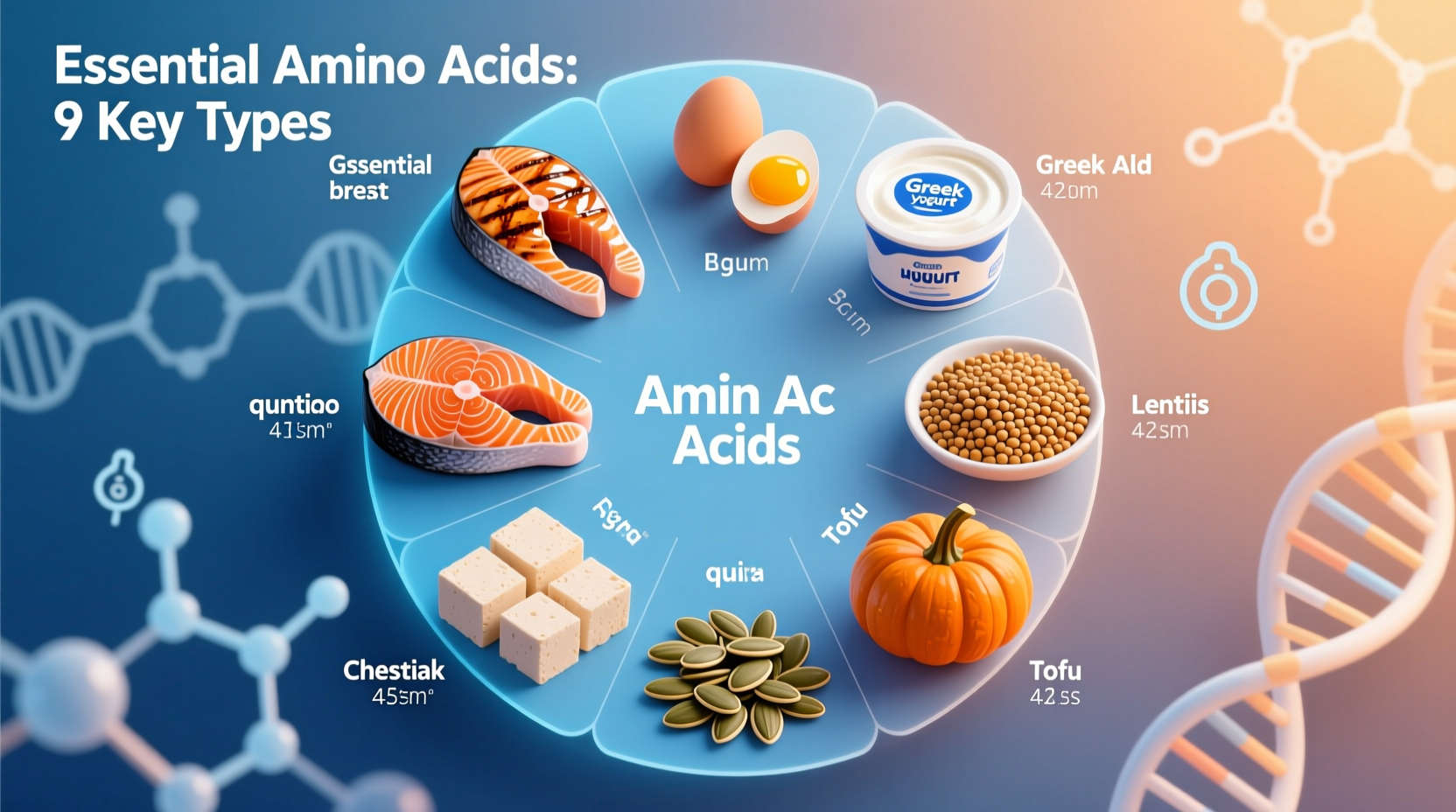
Understanding which foods deliver optimal amino acid profiles transforms how you fuel your body for muscle growth, recovery, and overall health. This guide cuts through nutrition confusion with science-backed food choices that actually work.
Why Amino Acids Matter More Than You Think
While protein gets most attention, amino acids are the true building blocks your body needs. The nine essential amino acids—histidine, isoleucine, leucine, lysine, methionine, phenylalanine, threonine, tryptophan, and valine—must come from food since your body can't produce them. Missing even one essential amino acid compromises protein synthesis, affecting muscle repair, immune function, and hormone production.
Complete proteins contain all nine essential amino acids in sufficient ratios. Most animal products qualify, but only a few plant foods like quinoa, soy, and buckwheat make the cut. Incomplete proteins require strategic pairing—like beans with rice—to create complete amino acid profiles. This distinction is crucial for vegetarians, vegans, and athletes optimizing performance.
Top Complete Protein Powerhouses
These foods deliver all nine essential amino acids in ideal proportions. Prioritize these when building meals for maximum protein efficiency:
| Food Source | Protein (per 100g) | PDCASS* | Key Amino Acid Strengths |
|---|---|---|---|
| Eggs | 13g | 1.0 | Leucine, Lysine, Methionine |
| Salmon | 20g | 0.99 | Isoleucine, Valine, Histidine |
| Chicken Breast | 31g | 0.92 | Leucine, Lysine, Phenylalanine |
| Greek Yogurt | 10g | 1.0 | Leucine, Valine, Threonine |
| Tempeh | 19g | 0.88 | Lysine, Tryptophan, Histidine |
*PDCASS = Protein Digestibility Corrected Amino Acid Score (1.0 = highest quality)
According to USDA FoodData Central, eggs maintain the highest biological value (BV) at 100, meaning your body utilizes egg protein most efficiently. Salmon provides exceptional omega-3s alongside complete amino acids, while Greek yogurt offers probiotics that enhance protein absorption. For plant-based options, tempeh's fermentation process improves amino acid availability by 25% compared to regular soybeans (Journal of Agricultural and Food Chemistry, 2022).
Plant-Based Pairing Strategies That Actually Work
Vegetarians and vegans can achieve complete amino acid profiles through strategic food combinations. The key is pairing foods with complementary amino acid weaknesses:
- Grains + Legumes: Rice (low in lysine) + black beans (high in lysine) creates a complete profile
- Nuts/Seeds + Legumes: Hummus (chickpeas + tahini) provides balanced amino acids
- Whole Grains + Dairy: Oatmeal with milk delivers all essential amino acids
A 2023 study in the American Journal of Clinical Nutrition confirmed that consuming complementary proteins within the same day—not necessarily the same meal—suffices for meeting amino acid requirements. This flexibility makes plant-based nutrition more practical than previously believed.

Special Considerations for Different Goals
For Muscle Growth and Recovery
Athletes need 1.6-2.2g protein per kg body weight daily, with emphasis on leucine-rich foods. Eggs provide 1.1g leucine per serving—the threshold for triggering muscle protein synthesis. Pairing whey protein (highest leucine content) with complex carbs post-workout maximizes recovery.
For Vegetarian and Vegan Diets
Focus on these amino acid powerhouses:
- Lysine: Lentils, tofu, tempeh (critical for plant-based diets)
- Methionine: Brazil nuts, sesame seeds, oats
- Tryptophan: Pumpkin seeds, soy products, oats
The Academy of Nutrition and Dietetics confirms well-planned plant-based diets meet all amino acid requirements. Include at least three protein sources daily—like oats for breakfast, lentil soup for lunch, and chickpea curry for dinner—to cover all essential amino acids.
Daily Implementation Guide
Transform theory into practice with these actionable steps:
- Morning boost: Add hemp seeds (10g protein) to smoothies for complete amino acids
- Lunch strategy: Combine quinoa (complete protein) with black beans for extra lysine
- Snack smart: Pair apple slices with almond butter for methionine + lysine balance
- Dinner focus: Include one complete protein source like fish or tempeh
USDA dietary guidelines recommend spreading protein intake evenly across meals—about 25-30g per meal—for optimal amino acid utilization. This approach outperforms loading protein at one meal, as shown in research from the Journal of Nutrition.
Frequently Asked Questions
Can you get all essential amino acids from plant foods alone?
Yes, through strategic food combinations. While few plant foods contain all nine essential amino acids alone, pairing complementary proteins—like beans with rice or hummus with whole wheat pita—creates complete profiles. Research confirms consuming varied plant proteins throughout the day meets all amino acid requirements.
Which amino acid is most critical for muscle growth?
Leucine is the key trigger for muscle protein synthesis. Foods highest in leucine include eggs (1.1g per serving), whey protein (2.5g per scoop), and salmon (1.6g per 3oz). Consuming 2-3g of leucine per meal maximizes muscle-building potential according to sports nutrition research.
How much protein do I need daily for optimal amino acid intake?
General recommendations are 0.8g protein per kg body weight, but active individuals need 1.2-2.2g/kg. The key is distributing protein evenly across meals—25-30g per meal—to maintain amino acid availability. Older adults require slightly more (1-1.2g/kg) to combat age-related muscle loss.
Are amino acid supplements necessary?
For most people eating a balanced diet, supplements aren't necessary. Complete protein foods provide amino acids in optimal ratios your body recognizes. Exceptions include athletes with extreme training demands or those with specific medical conditions. Always prioritize food sources first, as they deliver additional nutrients supplements lack.
Which plant food has the highest quality protein?
Soy products like tempeh and edamame have the highest protein quality among plants (PDCASS 0.88-0.99). Quinoa and buckwheat are complete proteins but with lower digestibility. Combining legumes with grains—such as lentils with rice—creates protein quality comparable to animal sources for vegetarians and vegans.




 浙公网安备
33010002000092号
浙公网安备
33010002000092号 浙B2-20120091-4