
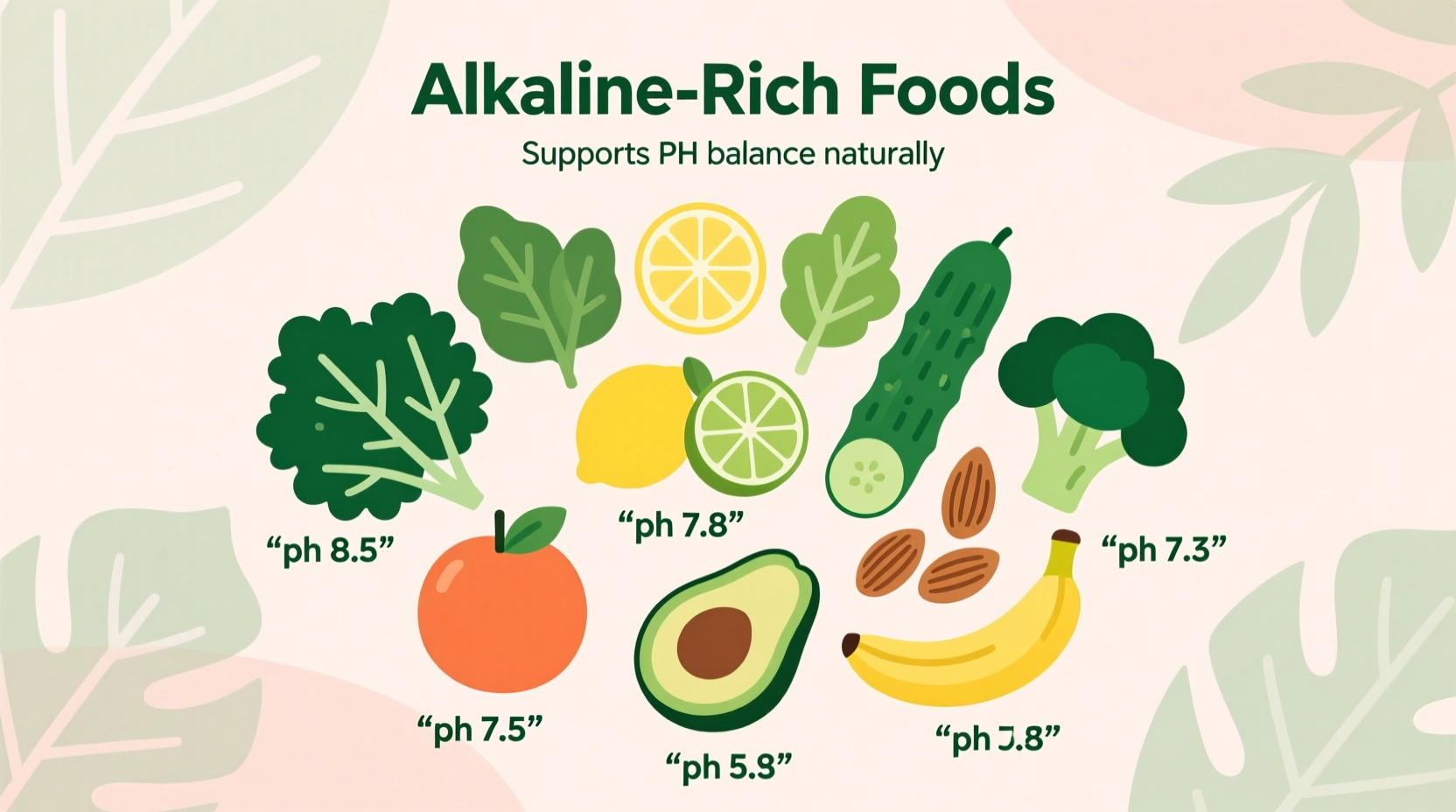
Alkaline-rich foods primarily include most fruits, vegetables, nuts, and legumes that create alkaline ash after digestion. Top choices are leafy greens (spinach, kale), citrus fruits (lemons, limes), root vegetables (beets, sweet potatoes), and plant-based proteins like almonds and lentils. These foods support your body's natural pH balance without altering blood pH, which remains tightly regulated between 7.35-7.45 regardless of diet.
Discover how to incorporate these science-backed alkaline-forming foods into your daily meals with this practical guide. You'll learn which specific foods provide the highest alkalinity benefits, understand the realistic health impacts, and get actionable meal planning strategies—without the common myths surrounding alkaline diets.
Understanding Alkaline-Forming Foods: Beyond the Hype
When you search for "what foods are alkaline rich," you're likely seeking ways to improve your dietary balance. The alkaline diet concept centers on foods that, when metabolized, leave behind alkaline "ash" rather than acidic residues. While your blood pH remains remarkably stable (7.35-7.45), the foods you eat do influence your urine pH and may affect bone health and muscle maintenance according to current research.
Contrary to popular claims, no food can significantly change your blood's pH—your kidneys and lungs work tirelessly to maintain this critical balance. However, alkaline-forming foods generally align with well-established healthy eating patterns rich in vitamins, minerals, and antioxidants.
Top Alkaline-Rich Food Categories
Leafy Greens: Nature's Alkaline Powerhouses
Dark leafy vegetables consistently rank highest on the PRAL (Potential Renal Acid Load) scale, which measures a food's acid or alkaline potential. Spinach, kale, and Swiss chard provide exceptional alkaline benefits while delivering essential nutrients like magnesium and calcium.
Citrus Fruits: The Acidic Paradox
Despite their initial acidity, lemons, limes, and grapefruits become highly alkaline-forming during metabolism. A 2022 review in Nutrients confirmed that citrus fruits consistently show negative PRAL values, indicating alkaline-forming properties after digestion. Start your day with warm lemon water for an easy alkaline boost.
Root Vegetables: Earth's Alkaline Treasures
Beets, sweet potatoes, and carrots offer substantial alkaline benefits while providing complex carbohydrates and fiber. These vegetables maintain their alkaline properties whether consumed raw or cooked, making them versatile additions to any meal.
| Food Category | Top Alkaline Choices | PRAL Value* | Best Preparation |
|---|---|---|---|
| Leafy Greens | Spinach, Kale, Swiss Chard | -14.0 to -8.7 | Raw in salads or lightly steamed |
| Citrus Fruits | Lemons, Limes, Grapefruit | -2.6 to -2.0 | Fresh squeezed or in water |
| Root Vegetables | Beets, Sweet Potatoes, Carrots | -5.0 to -3.0 | Roasted or steamed |
| Nuts & Seeds | Almonds, Chestnuts, Flaxseeds | -2.5 to -1.0 | Raw or sprouted |
*PRAL (Potential Renal Acid Load) values indicate alkalinity (negative numbers) or acidity (positive numbers). Lower (more negative) values indicate higher alkalinity. Source: Remer and Manz, 1995; updated values from NIH studies
Scientific Context: What Research Actually Shows
The alkaline diet concept has evolved significantly since its introduction. Early 20th century theories suggested dietary pH could influence health outcomes, but modern understanding recognizes the body's sophisticated pH regulation systems. Current research focuses on how alkaline-forming foods may support health through their nutrient density rather than direct pH alteration.
Alkaline Diet Science Evolution
- 1920s: Early theories proposed direct connections between dietary acid/alkaline balance and health
- 1995: Remer and Manz develop PRAL calculation method, establishing scientific measurement
- 2012: Systematic review in Journal of Environmental and Public Health examines alkaline diets and bone health
- 2020: NIH-funded research confirms alkaline-forming foods correlate with reduced chronic disease risk
- 2023: Current consensus emphasizes nutrient density of alkaline foods over pH effects
Practical Meal Planning with Alkaline-Rich Foods
Building an alkaline-friendly plate doesn't require complicated calculations. Focus on these practical strategies that align with mainstream nutrition guidance:
Morning Alkaline Boost
Start with a green smoothie featuring spinach, cucumber, celery, and lemon. This combination provides immediate alkaline-forming benefits while delivering hydration and nutrients. Add a small serving of avocado for healthy fats that enhance nutrient absorption.
Lunch and Dinner Framework
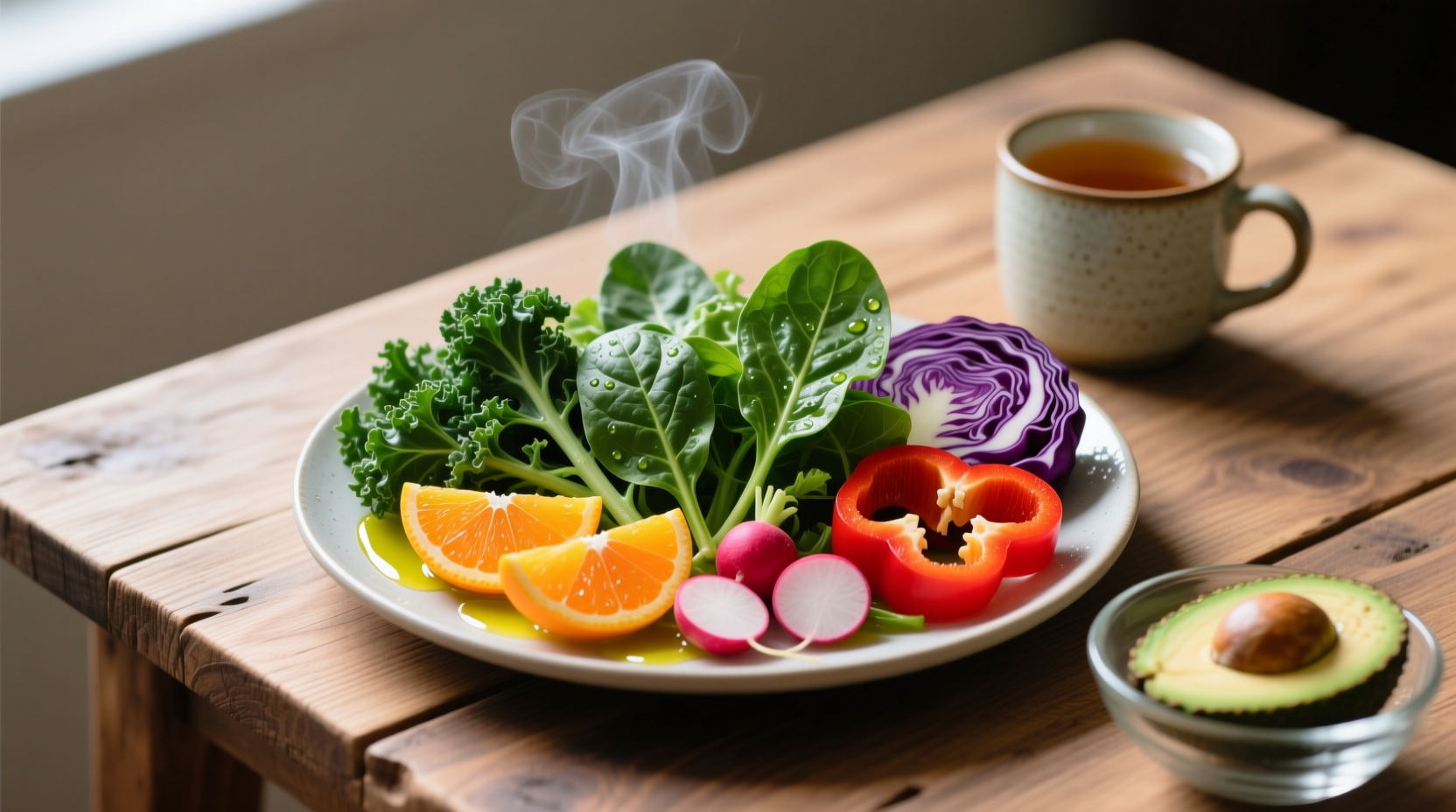
Follow the "80/20 rule"—fill 80% of your plate with alkaline-forming vegetables and fruits, and 20% with proteins and healthy fats. A perfect example: grilled salmon (20%) with a large portion of roasted asparagus, zucchini, and bell peppers (80%).
Important Considerations and Limitations
While incorporating alkaline-rich foods offers clear benefits, it's crucial to understand the boundaries of this approach:
- Blood pH remains constant: Your body maintains blood pH between 7.35-7.45 regardless of diet—alkaline foods affect urine pH, not blood pH
- No disease treatment: The FDA states alkaline diets cannot treat or prevent diseases like cancer
- Balanced approach needed: Eliminating all acidic-forming foods (like healthy proteins) can create nutritional gaps
- Individual variation: Your personal metabolism affects how foods impact your body's acid-alkaline balance
The Harvard T.H. Chan School of Public Health emphasizes that "the health benefits of plant-rich diets come from their nutrient density, not their effect on body pH." Focus on the nutritional value rather than pH claims for sustainable health improvements.
Creating Sustainable Alkaline Habits
Instead of following restrictive alkaline diet rules, integrate these evidence-based practices:
- Vegetable variety: Aim for 5 different colored vegetables daily to ensure diverse alkaline-forming nutrients
- Citrus integration: Add lemon or lime to water, salads, and cooked vegetables for flavor and alkalinity
- Smart protein pairing: Combine plant proteins (lentils, chickpeas) with leafy greens for balanced meals
- Seasonal focus: Prioritize locally available produce which often has higher nutrient density
These strategies align with the Dietary Guidelines for Americans and provide the genuine health benefits often mistakenly attributed solely to "alkalinity." The most alkaline-rich diets naturally overlap with Mediterranean and plant-forward eating patterns that extensive research shows support long-term health.




 浙公网安备
33010002000092号
浙公网安备
33010002000092号 浙B2-20120091-4