
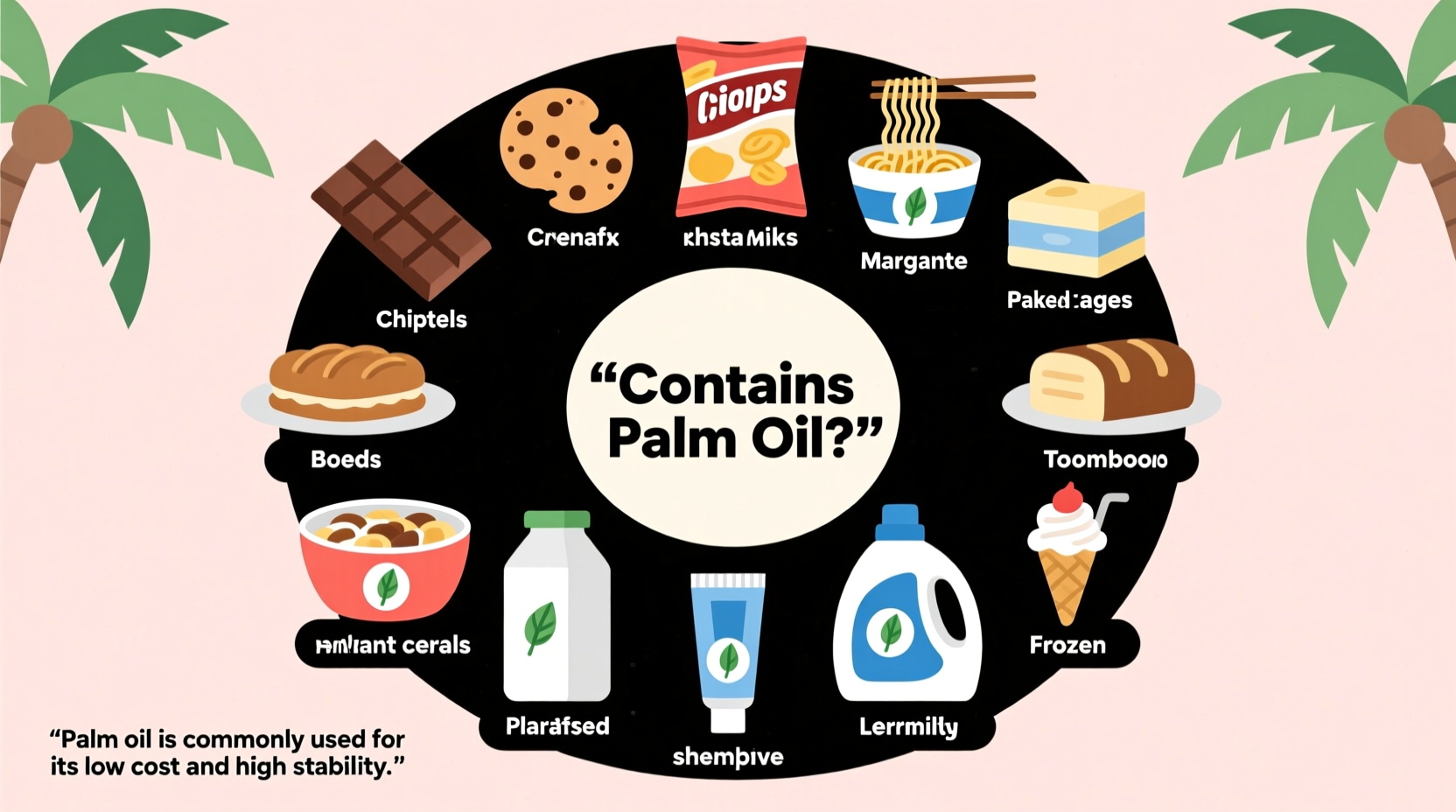
Why Palm Oil Dominates Modern Food Production
Food manufacturers rely on palm oil for its unique combination of properties that few other oils can match. Unlike liquid oils, palm oil remains semi-solid at room temperature without requiring hydrogenation - meaning no trans fats. Its neutral flavor, high oxidative stability, and long shelf life make it ideal for mass-produced foods. According to the Food and Agriculture Organization (FAO), global palm oil consumption in food products has tripled since 2000, reaching 74 million metric tons in 2023.
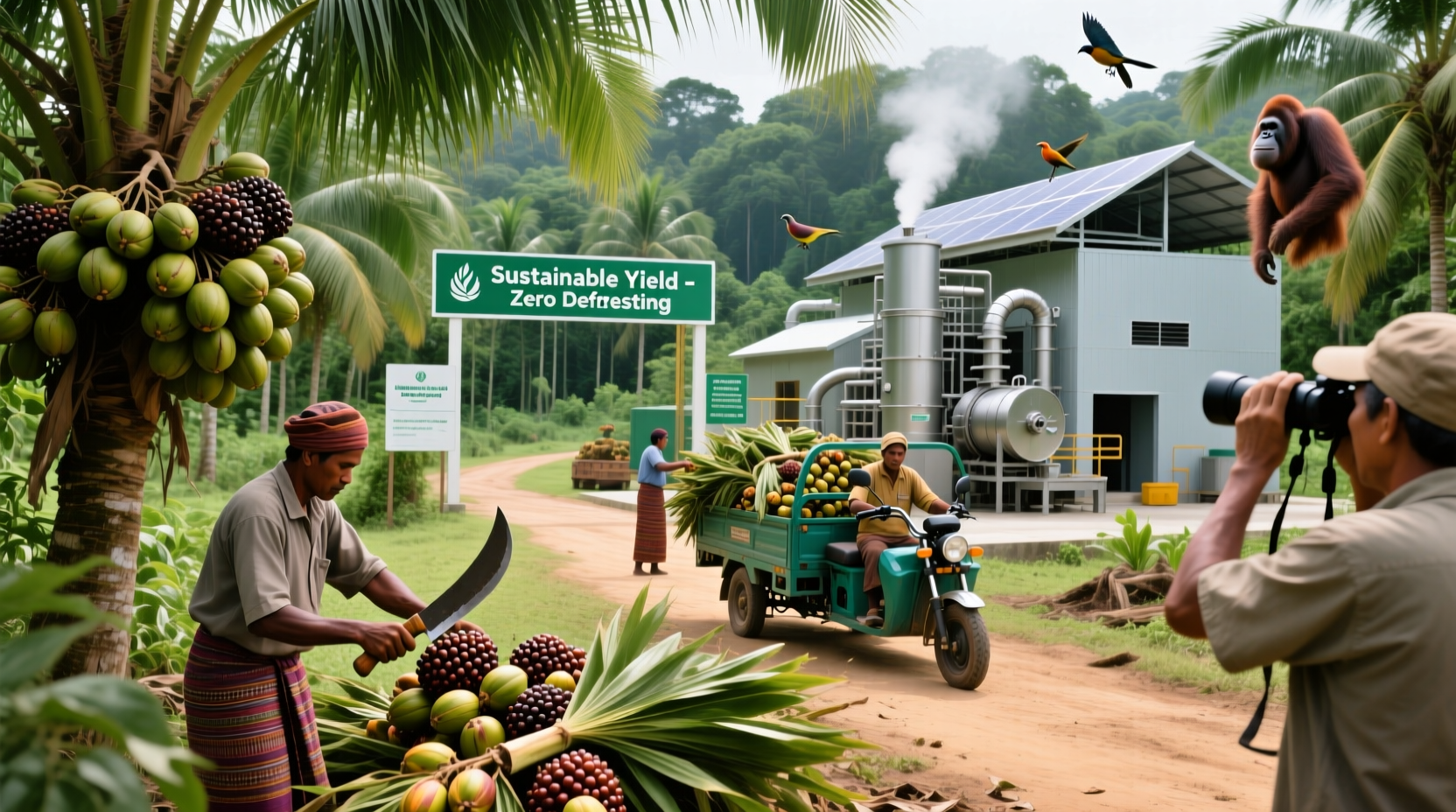
Top 7 Food Categories Containing Palm Oil
Understanding where palm oil hides in your pantry helps make informed choices. These categories represent where palm oil appears most frequently:
Baked Goods and Pastries
Commercial cookies, cakes, and pastries almost universally contain palm oil. Its semi-solid nature creates the perfect flaky texture in pie crusts and croissants while extending shelf life. A 2022 European Food Safety Authority study found palm oil in 94% of mass-produced baked goods tested across 15 countries.
Snack Foods and Chips
From potato chips to crackers and pretzels, palm oil provides the ideal frying medium that doesn't break down at high temperatures. Its stability prevents rancidity in shelf-stable snacks. Major snack brands use palm oil for 70-80% of their frying needs according to industry reports.
Margarines and Spreads
"Buttery" spreads rely heavily on palm oil to achieve their spreadable consistency without hydrogenation. European consumer testing revealed that "dairy-free" and "plant-based" spreads contain up to 80% palm oil derivatives.
Ice Cream and Dairy Alternatives
Palm oil creates the creamy texture in many budget ice creams and dairy alternatives. It prevents ice crystal formation and maintains texture during freeze-thaw cycles. Plant-based ice creams use palm oil in 65% of formulations according to a 2023 market analysis.
Instant Noodles and Ready Meals
The seasoning packets and fried noodle blocks in instant ramen contain palm oil. It carries flavors effectively and maintains crispness. Global instant noodle producers use approximately 1.2 million tons of palm oil annually.
Breakfast Cereals
Especially coated cereals like chocolate puffs or honey-flavored varieties use palm oil to adhere sweet coatings and maintain crunch. A consumer watchdog group found palm oil in 83% of children's breakfast cereals tested in 2024.
Chocolate and Confectionery
Beyond cocoa butter, palm oil derivatives create the smooth texture in cheaper chocolates and candy coatings. "Cocoa butter substitute" (CBS) often contains palm kernel oil. The International Cocoa Organization reports palm oil derivatives appear in 60% of mass-market chocolate products.
How to Identify Palm Oil on Ingredient Labels
Food manufacturers rarely list "palm oil" directly. Instead, they use over 200 alternative names that make detection challenging. This comparison table shows common aliases grouped by detection difficulty:
| Easy to Spot | Moderate Detection | Hard to Identify |
|---|---|---|
| Palm oil | Palm kernel oil | Sodium laureth sulfate |
| Palm fruit oil | Palmate | Stearic acid |
| Palmolein | Palmitate | Lauryl sulfate |
| Palm stearin | Glyceryl | Hydrated palm glycerides |
When scanning labels, focus on ingredients ending in "-ate" as these often indicate palm oil derivatives. The European Union now requires "palm oil" to be specifically named in ingredient lists, but many other regions lack this transparency.
Palm Oil Usage Timeline: From Niche Ingredient to Food Staple
Understanding how palm oil became ubiquitous provides context for current consumption patterns:
- 1980s: Food manufacturers begin replacing animal fats and hydrogenated oils with palm oil to avoid trans fats
- 1990s: Palm oil adoption accelerates as hydrogenation health concerns grow
- 2000s: Global palm oil consumption in food doubles as developing markets expand
- 2010s: Consumer awareness grows about environmental concerns
- 2020s: Partial shifts to certified sustainable palm oil (CSPO), though only 21% of global production carries RSPO certification according to 2023 data
Practical Shopping Guide: Making Informed Choices
Complete palm oil avoidance remains challenging, but these evidence-based strategies help reduce consumption:
Read Labels Strategically
Focus on products with shorter ingredient lists. When palm oil appears, check if it's RSPO-certified (look for the green palm logo). The USDA Organic seal guarantees no palm oil derivatives, as they're prohibited in certified organic products.
Choose These Palm Oil-Free Alternatives
- For baking: Butter, coconut oil, or high-oleic sunflower oil
- For spreads: Look for "palm oil-free" labels or make your own nut butters
- For snacks: Choose air-popped popcorn or baked vegetable chips
- For chocolate: Opt for dark chocolate with 70%+ cocoa content
Leverage Technology
Apps like CodeCheck and Open Food Facts scan barcodes to reveal hidden palm oil. These tools reference databases updated with input from food scientists and consumer protection agencies.
Frequently Asked Questions
Is palm oil harmful to human health?
Current scientific consensus indicates palm oil itself isn't inherently harmful, but its high saturated fat content (about 50%) means consumption should be moderate. The American Heart Association recommends limiting all saturated fats, including palm oil, to less than 6% of daily calories. Unlike hydrogenated oils, palm oil contains no trans fats.
How can I identify sustainable palm oil products?
Look for the RSPO (Roundtable on Sustainable Palm Oil) certification logo, which indicates the product contains certified sustainable palm oil. The most rigorous certification is RSPO Segregated, meaning the palm oil is fully traceable to sustainable sources. RSPO Mass Balance indicates sustainable and conventional palm oil are mixed but accounted for.
Why do food manufacturers prefer palm oil over other oils?
Palm oil's unique physical properties make it ideal for food manufacturing: it remains semi-solid at room temperature without hydrogenation, has a neutral flavor, high oxidative stability, and long shelf life. It's also the most productive oil crop per hectare, yielding 4-10 times more oil than alternatives like soybean or rapeseed, making it cost-effective for manufacturers.
Are "palm oil-free" products always healthier?
Not necessarily. Some "palm oil-free" products substitute with other high-saturated fat oils like coconut oil, or use more expensive processing techniques that increase cost without improving nutrition. Always check the full nutrition label and ingredient list rather than relying solely on marketing claims.




 浙公网安备
33010002000092号
浙公网安备
33010002000092号 浙B2-20120091-4