
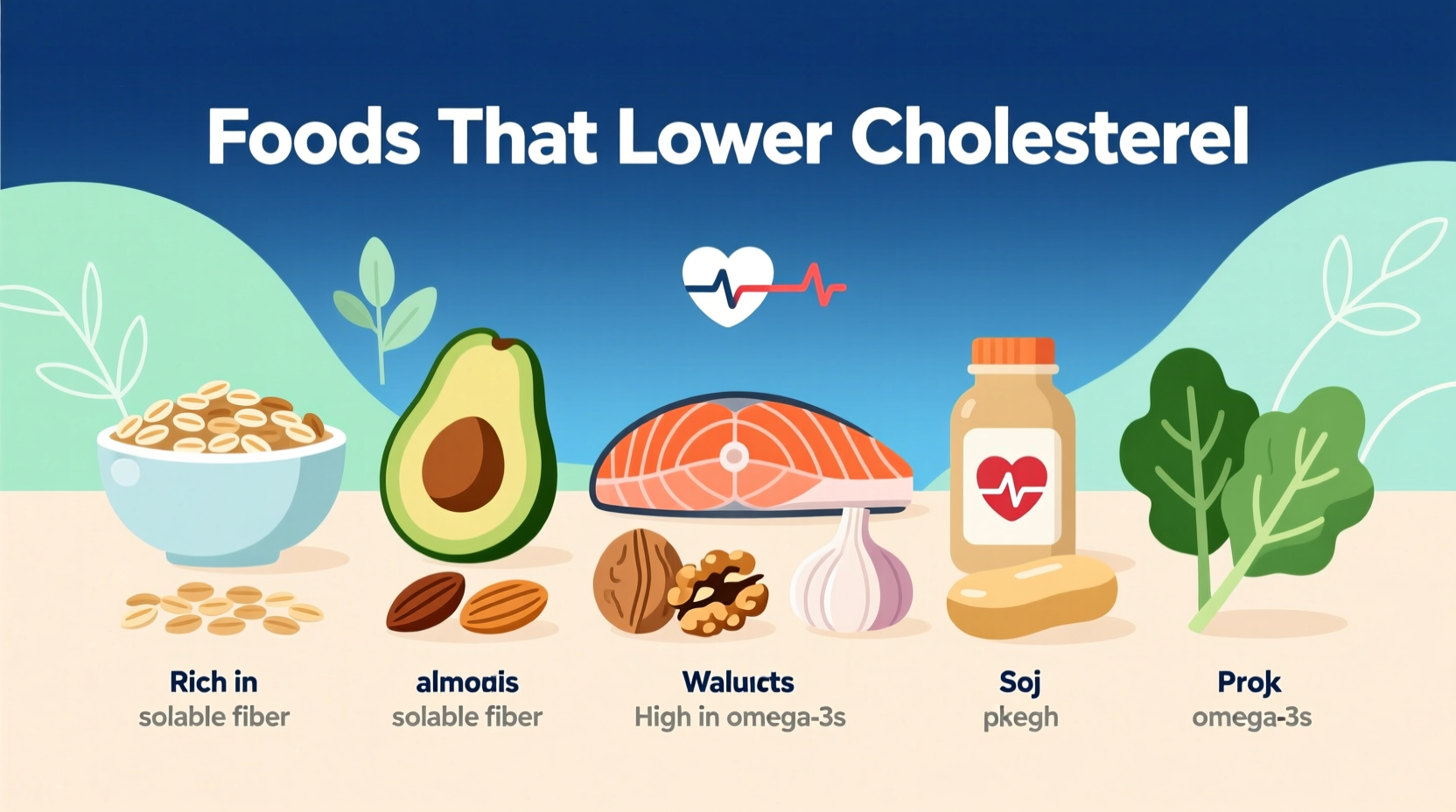
Managing cholesterol doesn't require complicated medication regimens or extreme diets. The foods that lower cholesterol work through natural mechanisms your body already uses to process fats and lipids. Understanding which foods make the biggest impact—and how to incorporate them effectively—can transform your approach to heart health.
How Cholesterol-Reducing Foods Actually Work
Before diving into specific foods, it's essential to understand why certain foods lower cholesterol while others raise it. Your liver produces cholesterol naturally, but dietary choices significantly impact your blood cholesterol levels. The key distinction lies between LDL (low-density lipoprotein), often called \"bad\" cholesterol, and HDL (high-density lipoprotein), known as \"good\" cholesterol.
Foods that lower cholesterol primarily target LDL reduction through three main mechanisms:
- Soluble fiber binding - Forms a gel that traps cholesterol particles in the digestive tract
- Healthy fat substitution - Replaces artery-clogging saturated fats with heart-healthy unsaturated fats
- Plant compounds interference - Blocks cholesterol absorption in the intestines
According to the American Heart Association, dietary changes alone can reduce LDL cholesterol by 5-15%, with greater reductions possible when combined with other lifestyle modifications. Let's examine the most scientifically supported foods that lower cholesterol and how to use them effectively.
Top Evidence-Backed Foods That Lower Cholesterol
1. Oats and Other Soluble Fiber Powerhouses
Oatmeal isn't just breakfast—it's one of the most researched cholesterol-lowering foods available. The soluble fiber in oats, called beta-glucan, forms a gel-like substance in your gut that binds to cholesterol particles and removes them from your body before they're absorbed.
Research published in the American Journal of Clinical Nutrition found that consuming just 3 grams of oat beta-glucan daily reduced LDL cholesterol by 8-23%. To reach this target, aim for:
- 1.5 cups of cooked oatmeal
- 3/4 cup of oat bran
- Two oat-based breakfast bars (check labels for beta-glucan content)
Other excellent soluble fiber sources include beans, lentils, apples, citrus fruits, and Brussels sprouts. The FDA has approved heart-healthy claims for foods containing at least 0.75 grams of soluble fiber per serving from oats, barley, or psyllium.
2. Fatty Fish and Omega-3 Rich Foods
Fatty fish like salmon, mackerel, and sardines don't directly lower LDL cholesterol but significantly improve your overall cholesterol profile by raising HDL (\"good\") cholesterol and reducing triglycerides. The American Heart Association recommends at least two 3.5-ounce servings of fatty fish weekly for heart health.
If you don't eat fish, plant-based omega-3 sources like flaxseeds, chia seeds, and walnuts provide alpha-linolenic acid (ALA), which your body partially converts to the same beneficial compounds found in fish oil. A study from Harvard T.H. Chan School of Public Health found that regular nut consumption was associated with a 30% lower risk of heart disease.
3. Nuts: Nature's Cholesterol Fighters
Walnuts, almonds, and pistachios consistently rank among the best foods that lower cholesterol. A comprehensive review in the American Journal of Clinical Nutrition analyzed 25 studies and found that eating about two handfuls of nuts daily reduced LDL cholesterol by an average of 7.4%.
The magic happens through multiple mechanisms:
- Replacing saturated fats with heart-healthy monounsaturated and polyunsaturated fats
- Providing plant sterols that block cholesterol absorption
- Delivering fiber and antioxidants that protect blood vessels
For maximum benefit, choose raw or dry-roasted nuts without added salt or sugar. A standard serving is about 1.5 ounces (a small handful).
4. Olive Oil and Other Healthy Fats
Replacing saturated fats with monounsaturated fats found in olive oil significantly improves cholesterol levels. The landmark PREDIMED study, published in the New England Journal of Medicine, followed 7,447 participants and found that a Mediterranean diet supplemented with extra-virgin olive oil reduced cardiovascular events by 30%.
Extra-virgin olive oil contains polyphenols that prevent LDL cholesterol from oxidizing—a crucial step in the development of artery-clogging plaque. Use olive oil as your primary cooking fat and in salad dressings, aiming for about 2 tablespoons daily to see cholesterol benefits.
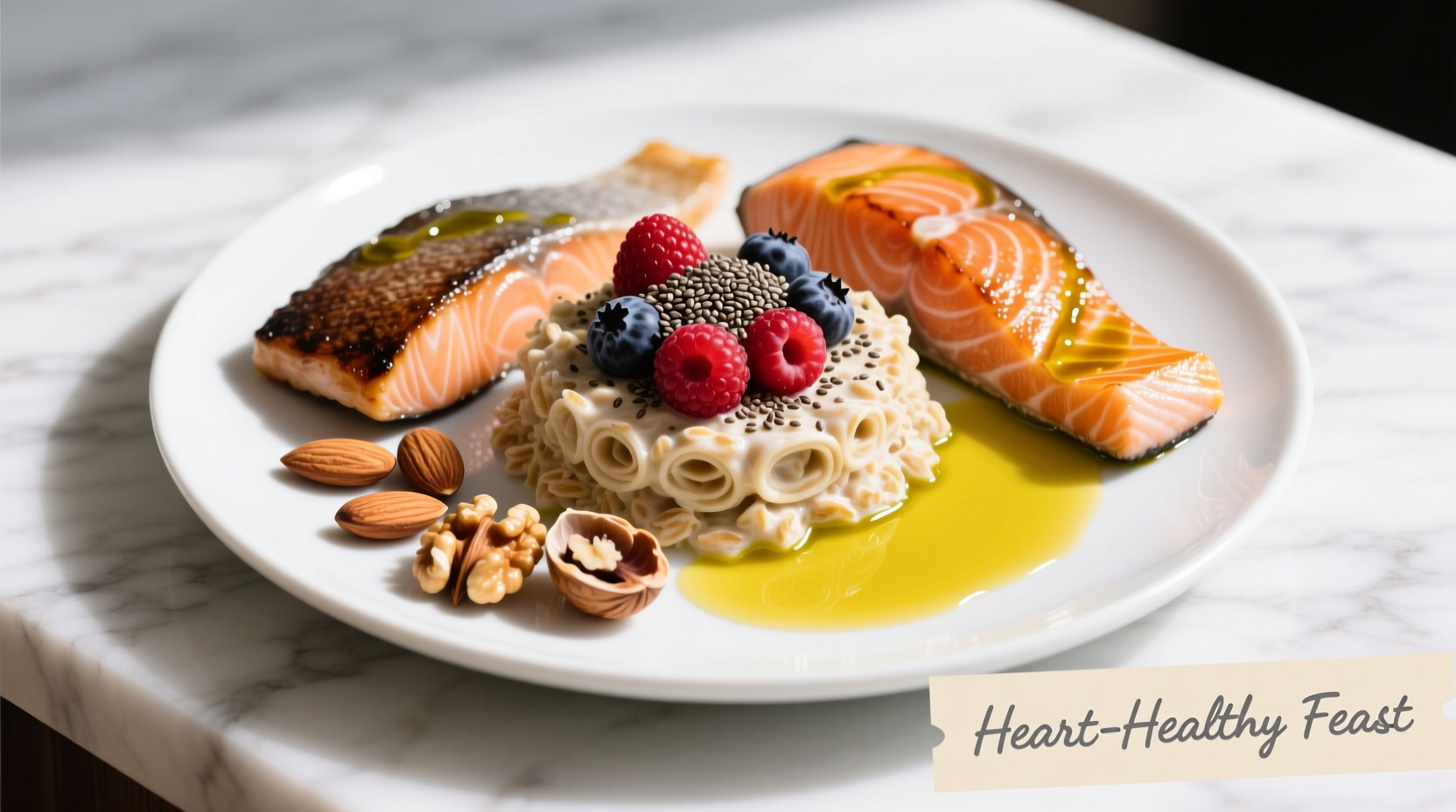
Cholesterol-Lowering Foods Comparison: What Works Best
| Food Category | Key Active Component | LDL Reduction | Daily Amount Needed | Time to See Results |
|---|---|---|---|---|
| Oats & Barley | Beta-glucan | 5-10% | 3g soluble fiber | 4-6 weeks |
| Nuts (Walnuts, Almonds) | Monounsaturated fats, Plant sterols | 7-10% | 1.5 oz (small handful) | 6-8 weeks |
| Fatty Fish | Omega-3 fatty acids | Triglycerides: 15-25% | 2 servings/week | 8-12 weeks |
| Olive Oil | Polyphenols, Monounsaturated fats | 5-8% | 2 tbsp | 8-12 weeks |
| Plant Sterol Foods | Plant sterols/stanols | 7-10% | 2g | 2-3 weeks |
Understanding the Evolution of Cholesterol Research
Our understanding of how foods affect cholesterol has evolved significantly over the past century. This timeline shows key milestones in cholesterol research that inform today's dietary recommendations:
- 1913: Russian scientists first demonstrated that dietary cholesterol could cause atherosclerosis in animals
- 1940s-1950s: Ancel Keys' Seven Countries Study established the link between saturated fat intake and heart disease
- 1980s: Researchers discovered that soluble fiber could lower cholesterol levels
- 1999: FDA approves first health claim for plant sterols reducing heart disease risk
- 2013: American Heart Association and American College of Cardiology release guidelines emphasizing dietary patterns over single nutrients
- 2020s: Research focuses on personalized nutrition approaches recognizing individual variations in cholesterol response
This progression shows how recommendations have shifted from simply avoiding dietary cholesterol to understanding the complex interactions between different food components and cholesterol metabolism.
Practical Implementation: Building Your Cholesterol-Lowering Diet
Knowing which foods lower cholesterol is only half the battle—you need practical strategies to incorporate them consistently. Here's how to create sustainable changes:
Morning Routine Boost
- Replace your regular breakfast cereal with oatmeal topped with sliced almonds and berries
- Add a tablespoon of ground flaxseed to your morning smoothie
- Use avocado instead of butter on your toast
Smart Swaps for Common Meals
- Instead of fried chicken: Try baked salmon with a side of lentils
- Instead of creamy pasta: Choose whole wheat pasta with olive oil, garlic, and vegetables
- Instead of cheese snacks: Opt for a small handful of walnuts and an apple
Realistic Expectations and Limitations
While these foods significantly impact cholesterol levels, it's important to understand their limitations:
- Genetic factors influence how much your cholesterol responds to dietary changes
- Results typically take 4-12 weeks to become measurable
- Dietary changes work best when combined with regular exercise
- Severe cholesterol issues may still require medication despite dietary efforts
- Individual responses vary—what works dramatically for one person may have modest effects for another
The National Institutes of Health emphasizes that no single \"superfood\" can overcome an otherwise unhealthy diet. The most effective approach combines multiple cholesterol-lowering foods within an overall heart-healthy eating pattern like the Mediterranean diet.
Your Action Plan for Lower Cholesterol Through Diet
Start implementing these evidence-based strategies today:
- Week 1: Add one serving of oats to your breakfast routine and replace one cooking oil with olive oil
- Week 2: Incorporate fatty fish into two meals and add a daily handful of nuts as a snack
- Week 3: Increase vegetable intake to 5 servings daily, focusing on high-fiber options
- Week 4: Evaluate your progress and adjust based on how you feel and any blood work results
Remember that consistency matters more than perfection. Small, sustainable changes that become lifelong habits deliver the best results for managing cholesterol through diet.




 浙公网安备
33010002000092号
浙公网安备
33010002000092号 浙B2-20120091-4