
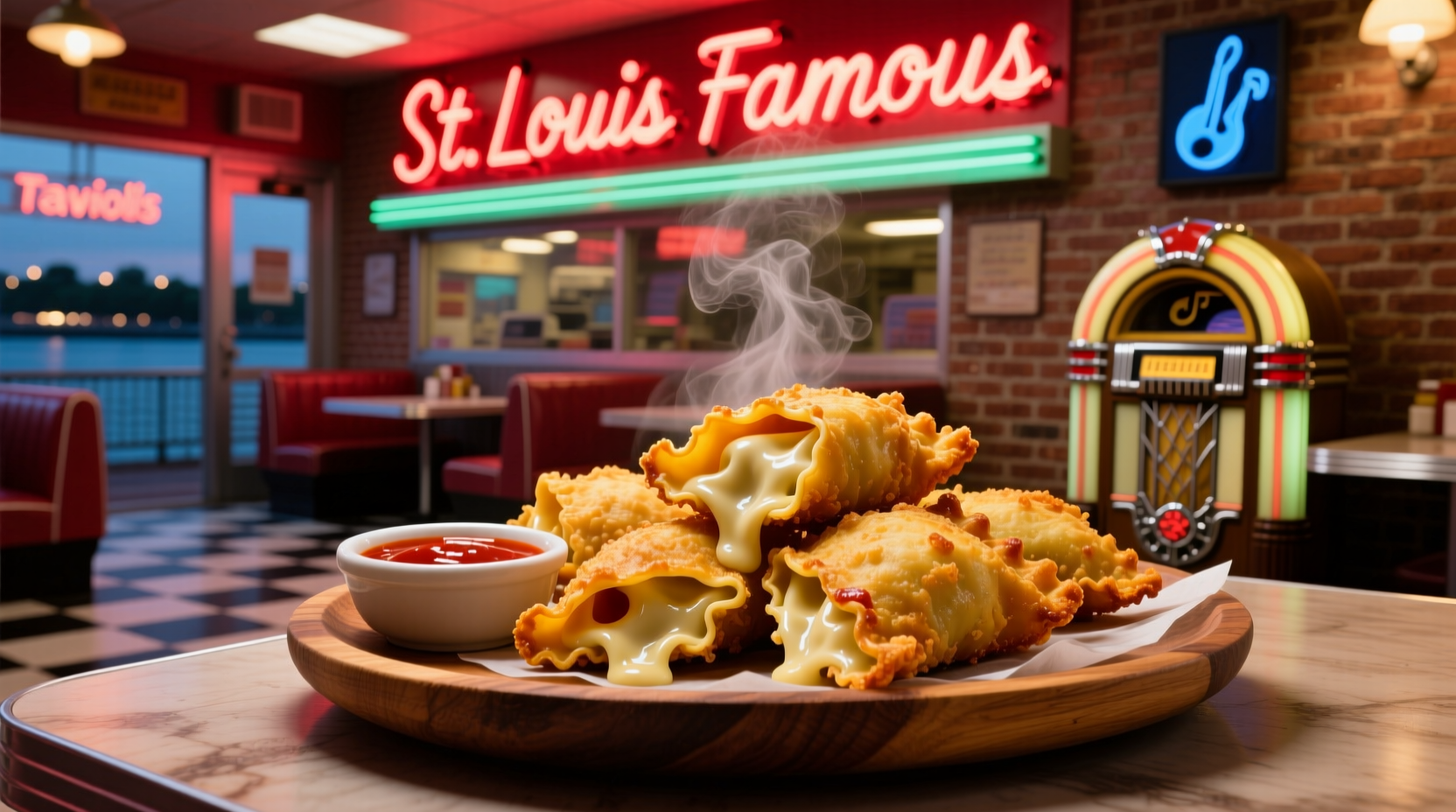
When visitors ask what food is st louis known for, they're seeking authentic insights into a culinary identity shaped by immigrant traditions and local innovation. Unlike coastal food capitals, St. Louis developed its own distinctive food culture through German brewing traditions, Italian neighborhood influences, and Midwestern agricultural abundance. This guide reveals not just the dishes themselves, but the historical context and cultural significance that make St. Louis cuisine unique among American regional food scenes.
The Definitive Guide to St. Louis's Signature Dishes
St. Louis's food identity emerged from its position as a Mississippi River port city where German, Italian, and Southern culinary traditions blended with Midwestern ingredients. The city's most famous foods weren't imported from elsewhere—they evolved right here through community innovation. Let's explore the dishes that define St. Louis dining culture.
1. Toasted Ravioli: The Accidental Icon
Often called "T-Ravs," toasted ravioli represents St. Louis's Italian-American culinary innovation. Contrary to popular belief, this dish didn't originate in Italy but emerged in the 1940s in The Hill neighborhood, St. Louis's historic Italian district. Local legend attributes its creation to a chef who accidentally dropped ravioli into frying oil instead of boiling water.
Authentic St. Louis toasted ravioli features:
- Meat-filled pasta pieces (typically beef or sausage)
- Crispy breadcrumb coating
- Served with marinara sauce for dipping
- Perfect balance of crunchy exterior and molten interior
According to the St. Louis Historical Society, the dish gained national attention when featured in the 1986 film "Planes, Trains and Automobiles," cementing its status as a regional specialty.
2. St. Louis-Style Pizza: The Provel Cheese Debate
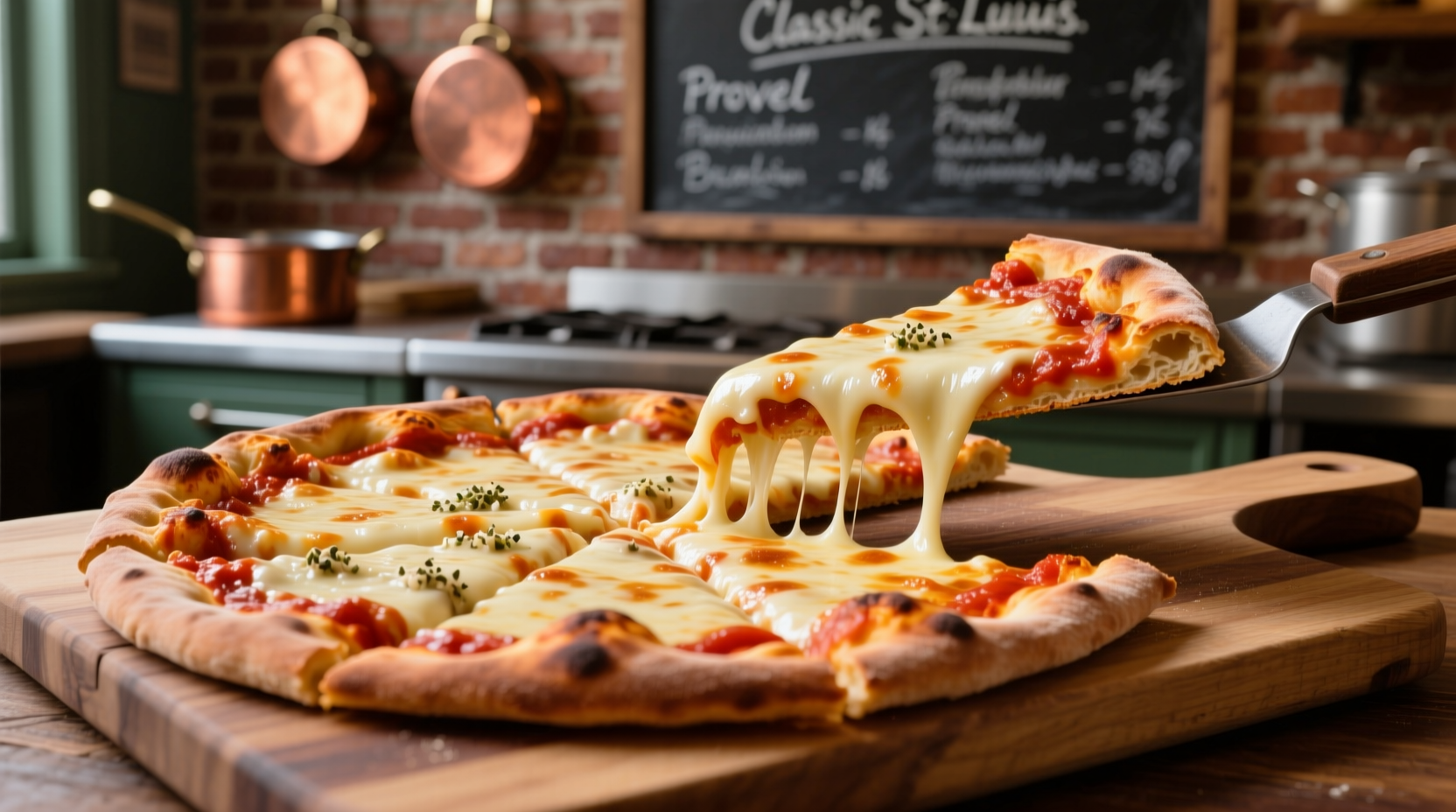
No discussion of st louis food specialties is complete without addressing the city's divisive pizza style. St. Louis-style pizza features:
- Thin, cracker-like crust cut into squares
- Provel cheese blend instead of traditional mozzarella
- Hearty layer of toppings covering the entire surface
- No visible sauce rim ("The St. Louis Cut")
| Feature | St. Louis-Style | Chicago Deep Dish | New York Style |
|---|---|---|---|
| Cheese | Provel blend | Mozzarella | Mozzarella |
| Cut Style | Squares | Slices | Triangles |
| Crust Thickness | Thin/crispy | Deep/thick | Thin/foldable |
| Sauce Application | Under cheese | On top | Under cheese |
Provel cheese—a blend of provolone, Swiss, and cheddar developed specifically for St. Louis pizza—creates the distinctive melty, slightly tangy flavor that defines this regional specialty. Created in the 1950s by Costa Grocery, Provel remains exclusive to the St. Louis area, making authentic St. Louis pizza impossible to replicate elsewhere.
3. Gooey Butter Cake: The Accidental Dessert
Perhaps St. Louis's most famous sweet treat, gooey butter cake originated from a German baker's "mistake" in the 1930s. When a baker accidentally used bread flour instead of cake flour, the dense, buttery confection was born. Authentic versions feature:
- Yellow cake base
- Rich, custard-like butter layer
- Light dusting of powdered sugar
- Distinctive "gooey" center that's neither fully set nor liquid
The Missouri State Parks Historic Sites documents how this dessert spread from home kitchens to local bakeries, becoming a staple at community events throughout the region. Modern variations include flavors like caramel, pumpkin, and seasonal fruit infusions, but purists insist the original vanilla version remains supreme.
4. St. Louis Barbecue: Pork Steaks and Burnt Ends
While Kansas City claims barbecue fame, St. Louis developed its own distinctive approach focused on pork steaks—rectangular cuts from the shoulder blade. Key characteristics include:
- Pork steaks marinated in vinegar-based sauce
- Grilled over indirect heat until caramelized
- Distinctive "snoots" (pig snouts) as a traditional option
- "Burnt ends" cut from brisket points
According to St. Louis Cooking Academy research, the city's barbecue tradition emerged from its position as a major meatpacking center, where butchers creatively utilized less expensive cuts. Unlike Kansas City's sweeter sauces, St. Louis barbecue features tangier, thinner sauces that complement rather than overwhelm the meat.
5. Other Notable St. Louis Food Traditions
Beyond the headline dishes, St. Louis offers several other distinctive food experiences:
Ted Drewes Frozen Custard
Since 1930, this iconic shop has served thick frozen custard in concrete form (blended until inverted without spilling). The Chain of Rocks location remains a summer tradition for locals and visitors alike.
Provel Cheese Applications Beyond Pizza
Locals use Provel in macaroni and cheese, grilled cheese sandwiches, and even cheeseburgers—creating what some call "St. Louis fusion cuisine."
Gerard's Cracklin' Fried Chicken
A St. Louis institution since 1952, this soul food landmark perfected a distinctive double-fried chicken technique that creates an exceptionally crispy exterior.
St. Louis Food Timeline: Cultural Evolution
The development of St. Louis cuisine follows this historical progression:
- 1830s-1880s: German immigration brings brewing traditions and sausage-making expertise
- 1890s-1920s: Italian immigrants establish The Hill neighborhood, introducing pasta traditions
- 1930s-1940s: Gooey butter cake and toasted ravioli emerge from home kitchens
- 1950s: Provel cheese created; St. Louis-style pizza standardized
- 1970s-present: Regional foods gain national recognition through food media
Where to Experience Authentic St. Louis Cuisine
While chain restaurants have entered the market, these establishments remain benchmarks for traditional st louis dishes:
- Mama Campisi's: Widely credited with perfecting toasted ravioli
- Imo's Pizza: The largest St. Louis-style pizza chain (founded 1964)
- Schneithorst's: Historic German restaurant serving traditional fare since 1933
- Billiken Cafe: Modern establishment honoring classic St. Louis recipes
Understanding where these foods fit in St. Louis's culinary landscape matters: toasted ravioli remains primarily a restaurant dish rarely made at home, while gooey butter cake has successfully transitioned from bakery specialty to supermarket product. This distinction reveals how some regional foods maintain authenticity through professional preparation, while others become commodified for broader markets.
Why St. Louis Cuisine Matters
St. Louis's food culture represents America's regional culinary diversity beyond coastal food capitals. These dishes didn't emerge from fine dining kitchens but from neighborhood restaurants and home cooks solving practical problems—like using available ingredients or fixing kitchen "mistakes." This grassroots development created a distinctive food identity that continues to evolve while maintaining its core characteristics.
When exploring what food st louis is famous for, remember you're experiencing culinary innovations born from community, not corporate food labs. Each bite connects you to generations of St. Louis residents who transformed simple ingredients into regional icons through creativity and cultural blending.




 浙公网安备
33010002000092号
浙公网安备
33010002000092号 浙B2-20120091-4