
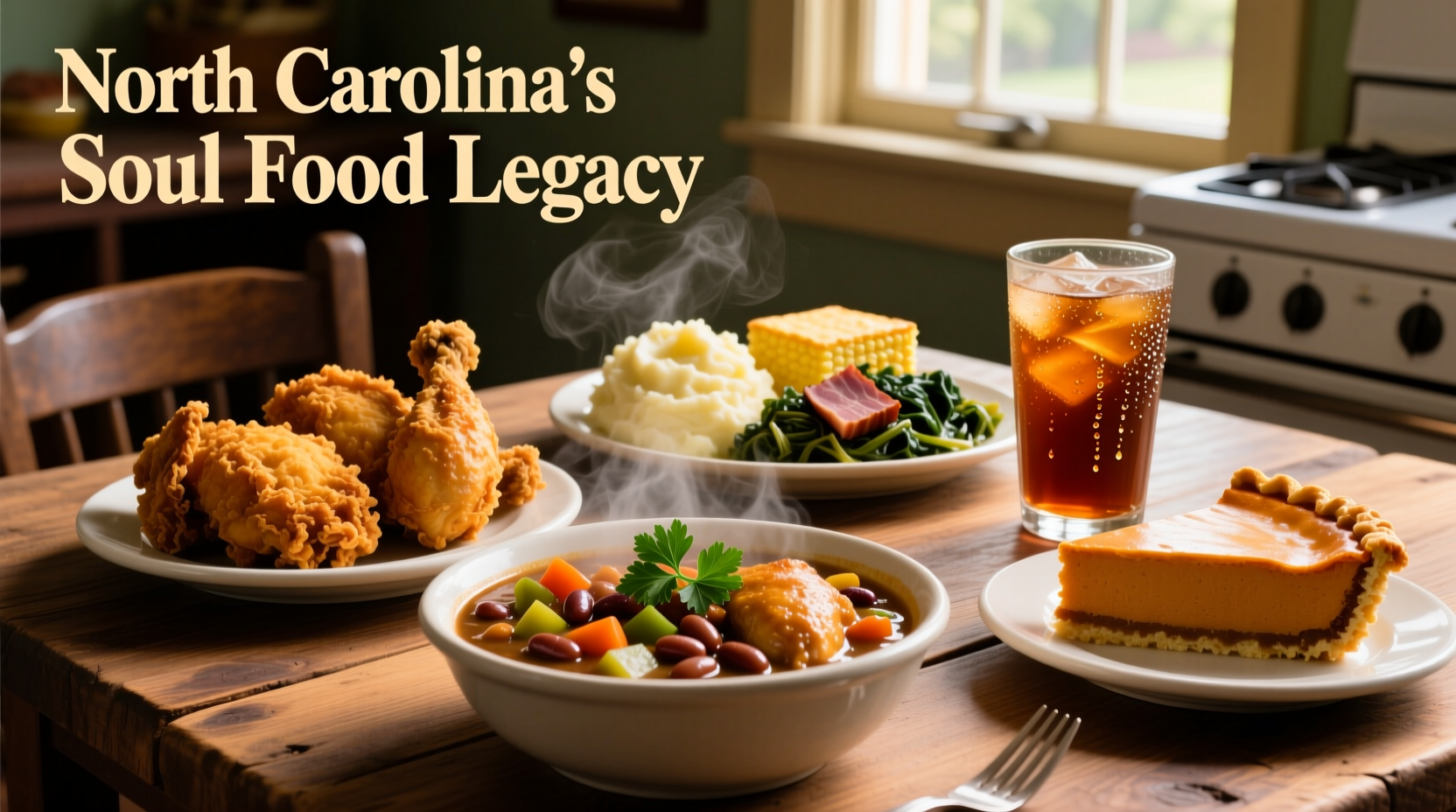
When exploring the food North Carolina is known for, you're diving into a rich culinary tapestry shaped by three distinct regions. Forget generic Southern stereotypes—North Carolina offers deeply rooted food traditions that tell stories of community, history, and place. Whether you're planning a food-focused road trip or curious about authentic regional American cuisine, this guide delivers precisely what makes NC's food scene exceptional.
Why North Carolina's Food Culture Stands Apart
North Carolina's culinary landscape isn't monolithic—it's defined by three geographic regions each with signature dishes. The coastal plain delivers seafood bounty, the Piedmont region perfected barbecue traditions, and the mountains preserve Appalachian foodways. This regional diversity explains why what food North Carolina is known for varies dramatically depending on where you are in the state.
Your Essential North Carolina Food Roadmap
Planning your first NC food adventure? Focus on these foundational experiences that define the state's culinary reputation:
| Dish | Region | Key Characteristics | Must-Try Locations |
|---|---|---|---|
| Eastern NC BBQ | Coastal Plain | Vinegar-pepper sauce, whole hog preparation | Scott's BBQ (Lexington), Skylight Inn (Ayden) |
| Lexington-Style BBQ | Piedmont | Vinegar-tomato sauce, pork shoulder focus | Sam Jones BBQ (Winston-Salem), Lexington Barbecue |
| Coastal Oysters | Atlantic Coast | Briny, medium-sized, best September-April | Atlantic Beach Seafood, Crook's Corner (Chapel Hill) |
| Livermush | Western NC | Pork liver, head parts, cornmeal, served grilled | Any local grocery counter in Charlotte area |
Barbecue: The Heartbeat of North Carolina Food Culture
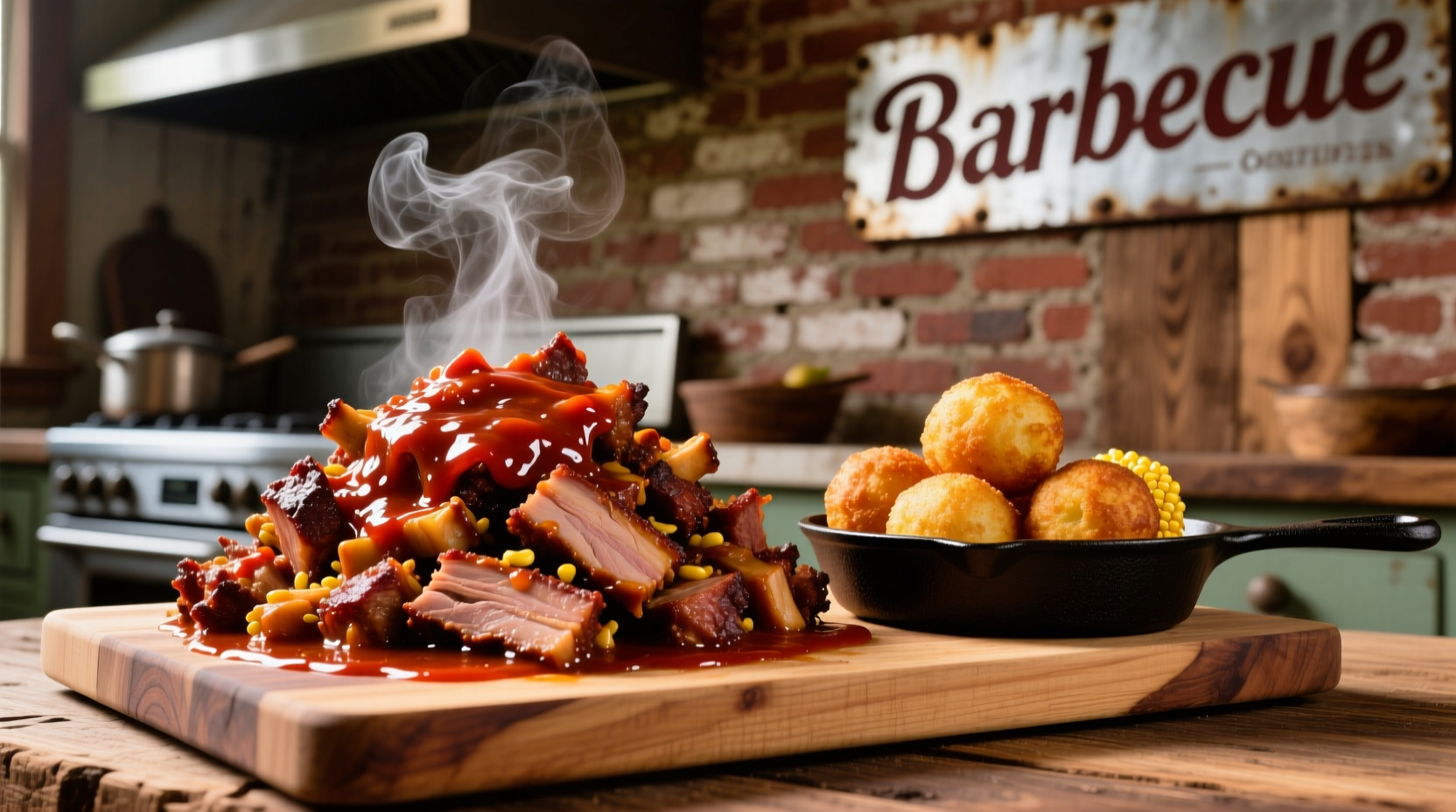
No discussion of North Carolina famous foods begins without barbecue—specifically the state's two distinct styles that spark passionate regional debates. According to the North Carolina Department of Agriculture, barbecue contributes over $1 billion annually to the state's economy and represents North Carolina's most culturally significant food tradition (source).
Eastern Style BBQ uses the entire hog cooked over wood coals, served with a vinegar-pepper sauce that cuts through the richness. This preparation dates back to Indigenous smoking techniques later adapted by enslaved Africans. Eastern NC BBQ festivals, like the annual event in Snow Hill, celebrate this heritage with whole-hog cooking competitions.
Lexington Style BBQ (often called Western style) focuses on pork shoulder with a vinegar-tomato sauce. This variation emerged in the Piedmont region where tomato cultivation was more prevalent. The town of Lexington hosts the World Championship Barbecue Cooking Contest each October, drawing 200,000 visitors annually.
Coastal Treasures: Beyond the Barbecue
North Carolina's 300-mile coastline produces distinctive seafood that defines coastal cuisine. The state leads the East Coast in oyster production, with the unique Core Sound variety prized for its sweet, briny flavor. Shrimp boats still follow traditional seasonal patterns, with April-May bringing the prized "white shrimp" harvest.
Don't miss these coastal specialties:
- Fried shrimp platters with coleslaw and hushpuppies—best enjoyed at waterfront shacks like Avery's on Shackleford Banks
- She-crab soup with crab roe and sherry, a Lowcountry specialty found in coastal NC restaurants
- Scuppernong grapes used in regional wines and preserves—North Carolina's official fruit since 2001
Mountain Traditions and Unexpected Delights
In the Blue Ridge Mountains, Appalachian foodways preserve heritage through dishes like chimney cakes (spiral-baked dough) and bean cakes (fried bean patties). The region's apple orchards produce award-winning ciders, while trout streams supply fresh fish for traditional preparations.
North Carolina also claims several surprising food firsts:
- Krispy Kreme—Founded in Winston-Salem in 1937, the original store still operates with the famous Hot Doughnut sign (source)
- Cheerwine—This cherry-flavored soda debuted in Salisbury in 1917 and remains a regional obsession
- Livermush—A unique pork-liver-cornmeal loaf, particularly popular in Charlotte area breakfast spots
When and Where to Experience Authentic North Carolina Foods
Timing matters for authentic NC food experiences. The state's agricultural calendar creates seasonal opportunities you won't find elsewhere:
- Barbecue season peaks September-May when cooler temperatures make outdoor cooking practical
- Oyster season runs September-April (following the "R" months rule)
- Apple harvest brings cider festivals September-November in the mountains
- Sweet potato season peaks October-January—North Carolina produces 60% of America's sweet potatoes (source)
For the most authentic experiences, visit these institutions:
- The Pit (Raleigh) for both Eastern and Lexington BBQ styles under one roof
- Buxton Hall Barbecue (Asheville) preserving whole-hog traditions
- Eastern Market (New Bern) showcasing coastal specialties since 1730
- Farmer's markets statewide for seasonal produce and artisanal products
Bringing North Carolina Flavors Home
You don't need to visit North Carolina to enjoy its signature foods. Several authentic products ship nationwide:
- Lexington Barbecue Sauce—The vinegar-tomato blend that defines Piedmont style
- Cheerwine—Available through the official website nationwide
- Scuppernong preserves—From coastal producers like Duplin Winery
- Carolina Gold BBQ rub—Recreates Eastern style seasoning without liquid ingredients
When cooking NC specialties at home, remember these authentic techniques:
- Eastern BBQ sauce should hit your sinuses first—that vinegar kick is essential
- True NC sweet tea uses 20% more sugar than other regions (6 cups per gallon)
- Livermush must be grilled until crispy on the outside, soft inside




 浙公网安备
33010002000092号
浙公网安备
33010002000092号 浙B2-20120091-4