
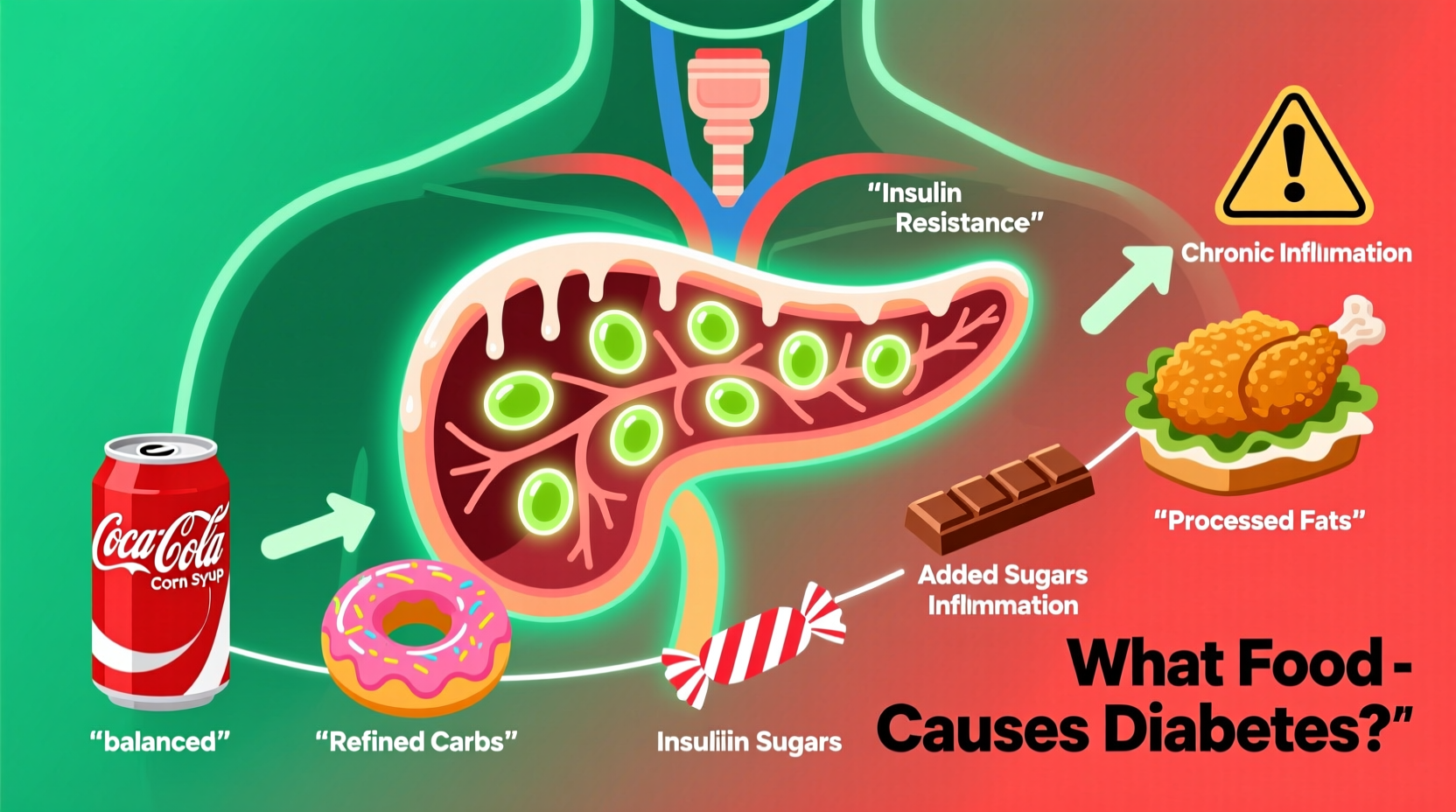
When searching for answers about what food causes diabetes, you need clear, science-backed information you can trust. This guide delivers exactly that—breaking down the specific dietary patterns connected to diabetes risk based on current medical research, plus practical alternatives you can implement immediately.
Understanding the Diabetes-Food Connection
Type 2 diabetes develops when your body becomes resistant to insulin or doesn't produce enough insulin to maintain normal blood glucose levels. While genetics and lifestyle factors play roles, certain dietary patterns significantly increase your risk. Let's examine the evidence.
Top Food Categories Linked to Diabetes Risk
Sugar-Sweetened Beverages: The Primary Culprit
Research consistently identifies sugar-sweetened beverages as the strongest dietary contributor to diabetes risk. A landmark study published in Diabetes Care followed over 175,000 health professionals for more than two decades. Those consuming one or more sugary drinks daily had a 26% higher risk of developing type 2 diabetes compared to those who rarely consumed them.
The problem isn't just the sugar content. Liquid calories don't trigger the same satiety signals as solid food, leading to excess calorie consumption without feeling full. This double impact—spiking blood sugar while promoting weight gain—creates a perfect storm for insulin resistance.
| Common Beverages | Sugar Content (per 12oz) | Diabetes Risk Increase |
|---|---|---|
| Regular soda | 39g (≈10 teaspoons) | 26% per daily serving |
| Fruit punch | 31g | 18% per daily serving |
| Sports drinks | 21g | 12% per daily serving |
| Energy drinks | 42g | 21% per daily serving |
Source: American Diabetes Association analysis of multiple cohort studies (2023)
Processed Meats: A Significant Risk Factor
Regular consumption of processed meats like bacon, sausage, hot dogs, and deli meats increases diabetes risk by approximately 20-30%. The Harvard T.H. Chan School of Public Health analyzed data from over 400,000 participants across multiple studies and found that each 50g daily serving of processed meat (about two slices of bacon) was associated with a 32% higher risk of developing type 2 diabetes.
The mechanisms include:
- High levels of sodium nitrite preservatives that may impair insulin function
- Saturated fats contributing to inflammation and insulin resistance
- Heme iron that may promote oxidative stress in pancreatic cells
Refined Carbohydrates and White Flour Products
White bread, pastries, crackers, and other refined carbohydrate products cause rapid blood sugar spikes. Unlike whole grains, these foods have had their fiber-rich bran and germ removed during processing. The CDC reports that diets high in refined carbohydrates contribute to approximately 15% of type 2 diabetes cases in the United States.
A 2022 study in The American Journal of Clinical Nutrition followed participants for 10 years and found those with the highest consumption of refined grains had a 44% higher risk of developing diabetes compared to those with the lowest consumption.
How Dietary Patterns Have Evolved: A Diabetes Timeline
Understanding the historical context helps explain our current diabetes epidemic. Consider this timeline of dietary changes alongside rising diabetes rates:
- 1970s: Introduction of high-fructose corn syrup in processed foods and beverages
- 1980s: 300% increase in soda consumption compared to 1950s; processed food industry expansion
- 1990s: Low-fat diet craze leads to increased refined carbohydrate consumption
- 2000s: Portion sizes double; daily calorie intake increases by 300+ calories on average
- 2010s: Ultra-processed foods account for over 60% of American calorie consumption
- 2020s: 1 in 10 Americans has diagnosed diabetes; 1 in 3 has prediabetes
This evolution shows how gradual dietary changes have created an environment where diabetes risk has significantly increased. The CDC reports that diabetes prevalence has quadrupled since 1980, tracking closely with changes in our food environment.
Important Context: Individual Variability Matters
While certain foods increase population-level risk, individual responses vary significantly. Several factors influence how specific foods affect your diabetes risk:
- Genetic predisposition: Some people metabolize carbohydrates more efficiently than others
- Current metabolic health: Those with prediabetes may need stricter carbohydrate management
- Overall dietary pattern: A single food item's impact depends on your total dietary context
- Physical activity level: Regular exercise improves insulin sensitivity, mitigating some dietary risks
The American Diabetes Association emphasizes that no single food causes diabetes—it's the cumulative effect of dietary patterns over time combined with other lifestyle factors. This context prevents unnecessary food fear while promoting informed choices.
Practical Alternatives to Reduce Your Risk
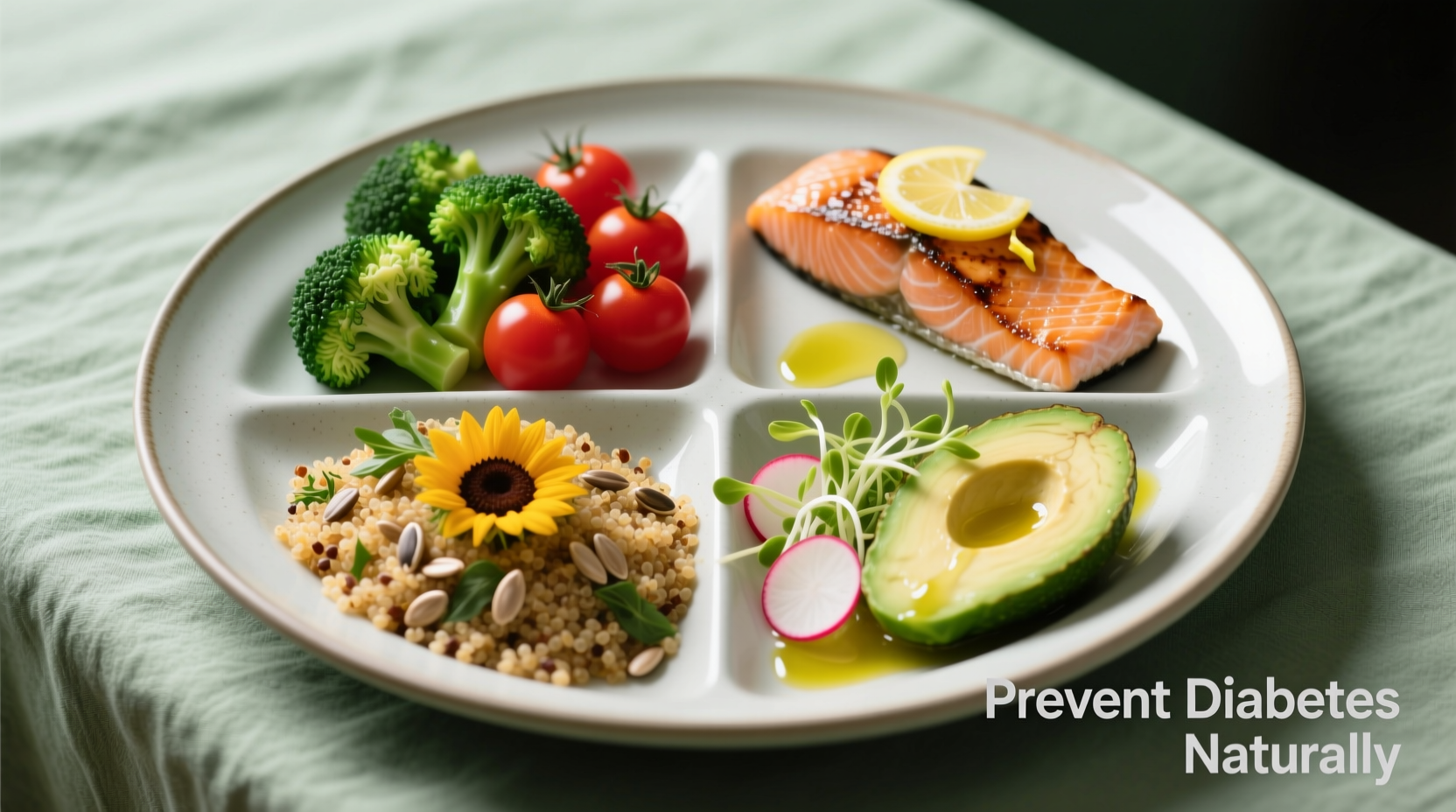
Instead of focusing solely on foods to avoid, consider these evidence-based swaps that actively reduce diabetes risk:
Beverage Swaps
- Replace soda with sparkling water infused with fresh fruit
- Choose unsweetened tea or coffee instead of sweetened beverages
- When craving something sweet, try naturally flavored water with cucumber or citrus
Protein Source Alternatives
- Substitute processed meats with grilled chicken, fish, or plant-based proteins
- Choose eggs or Greek yogurt for breakfast instead of bacon or sausage
- Incorporate legumes like lentils and chickpeas as protein sources 2-3 times weekly
Smart Carbohydrate Choices
- Replace white bread with 100% whole grain or sprouted grain options
- Choose steel-cut oats instead of instant varieties
- Add beans or lentils to grain dishes to lower the glycemic impact
Common Misconceptions About Food and Diabetes
Several myths persist about what food causes diabetes that deserve clarification:
- Myth: Eating sugar directly causes diabetes
Fact: While excessive sugar contributes to risk, diabetes development involves complex interactions between diet, genetics, and lifestyle - Myth: People with diabetes can't eat any carbohydrates
Fact: The quality and quantity of carbohydrates matters more than complete elimination - Myth: Only overweight people develop type 2 diabetes
Fact: Approximately 10-15% of people with type 2 diabetes are at a normal weight ("lean diabetes")
Actionable Steps You Can Take Today
Reducing your diabetes risk doesn't require drastic changes. Start with these evidence-based strategies:
- Eliminate one sugar-sweetened beverage from your daily routine
- Replace white rice with cauliflower rice or quinoa in one meal per week
- Add 15 minutes of walking after your largest meal of the day
- Read ingredient labels to identify hidden sugars in processed foods
- Track your food intake for three days to identify patterns needing adjustment
The Diabetes Prevention Program, a landmark study sponsored by the National Institutes of Health, demonstrated that modest lifestyle changes—including losing 5-7% of body weight and increasing physical activity—reduced diabetes risk by 58% in high-risk individuals. These changes proved more effective than medication for diabetes prevention.
When to Consult a Healthcare Professional
If you have risk factors for diabetes—including family history, overweight status, or signs of insulin resistance—consult a healthcare provider for personalized guidance. Blood tests like fasting glucose, HbA1c, and oral glucose tolerance tests can assess your current metabolic health.
Remember that dietary changes work best as part of a comprehensive approach that includes regular physical activity, stress management, and adequate sleep—all factors that influence insulin sensitivity.




 浙公网安备
33010002000092号
浙公网安备
33010002000092号 浙B2-20120091-4