
Planning your airport journey with food in tow? You're not alone. Each year, millions of travelers wonder what they can safely pack to avoid having their favorite snacks confiscated at security. This guide delivers clear, up-to-date information directly from TSA regulations so you can breeze through security with confidence.
What You Need to Know Before Packing Food
Understanding TSA's basic food policies saves time and prevents frustration. The key distinction lies between solid foods and liquid/gel items. While solid foods face minimal restrictions, liquid food items must comply with specific size limitations. Remember that security officers have final discretion, so even permitted items might require additional screening if they trigger alarms.
Solid Foods: Your Travel-Friendly Companions
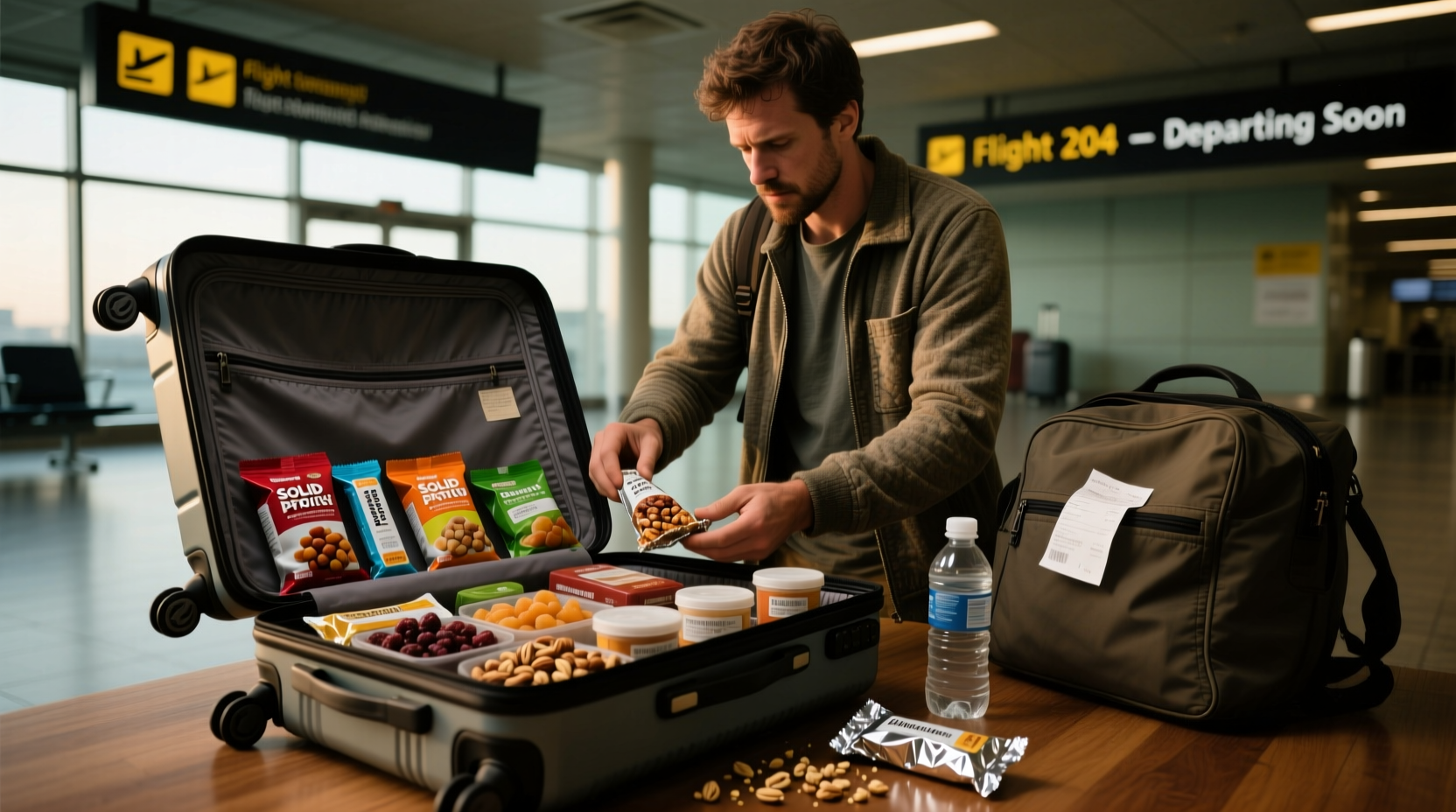
Most solid food items sail through security without issue. This category includes:
- Dry snacks (chips, pretzels, crackers)
- Baked goods (cookies, cakes, breads)
- Fruits and vegetables (whole or cut)
- Candy and chocolate bars
- Nuts and trail mix
- Hard cheeses
When traveling with solid foods, pack them in easily accessible locations in your carry-on. This reduces the chance of having to unpack your entire bag during security screening. For international travel, check destination country restrictions as some foods may be prohibited from entry regardless of TSA rules.
| Food Type | Carry-On Allowed | Checked Baggage Allowed | Special Notes |
|---|---|---|---|
| Dry snacks | Yes | Yes | Keep in original packaging when possible |
| Fresh fruit | Yes | Yes | Some countries restrict entry of fresh produce |
| Jams/jellies | Limited (3.4oz) | Yes | Follows liquid restrictions |
| Alcohol (under 24%) | Limited (3.4oz) | Yes (under 5L) | Must be in unopened container |
| Meat products | Yes (solid) | Yes | Liquid marinades follow 3-1-1 rule |
Liquid and Gel Food Items: Navigating the 3-1-1 Rule
The 3-1-1 rule governs all liquid, aerosol, gel, cream, and paste food items. This includes:
- Soups and broths
- Sauces and dressings
- Yogurt and pudding
- Peanut butter and nut butters
- Spreads like jelly or hummus
- Canned fruits in syrup
Items exceeding 3.4 ounces must go in checked baggage. For multiple small containers, remember they must all fit comfortably in a single quart-sized, clear plastic, resealable bag. Security officers may ask you to separate this bag from your carry-on for screening.
Special Food Considerations for Travelers
Certain food categories require extra attention:
Baby Food and Formula
Traveling with infants? You can bring reasonable quantities of baby food, formula, and breast milk through security. These items don't count toward your liquid allowance but will undergo additional screening. Inform the TSA officer at the beginning of the screening process.
Frozen Food Items
Frozen foods are permitted if they remain completely frozen when presented for screening. Partially thawed items that have become liquid or gel must follow the 3-1-1 rule. Ice packs follow the same guidelines as other frozen items.
Medical Nutrition Products
Nutrition supplements required for medical reasons can exceed liquid limits. Declare these items to TSA officers and be prepared to undergo additional screening. Having documentation from your healthcare provider can expedite this process.
Packing Strategies for Stress-Free Food Travel
Smart packing prevents security delays:
- Place all liquid food items in your quart-sized bag before arriving at security
- Keep solid foods in easily accessible compartments
- Transfer large food containers to smaller portions that comply with liquid rules
- Consider purchasing food after security to avoid restrictions
- For international travel, research destination country food import restrictions
When traveling with specialty foods like international spices or regional delicacies, check both TSA regulations and customs restrictions for your destination. The U.S. Customs and Border Protection website provides detailed information on prohibited food items by country.
What Happens If You Bring Prohibited Items?
Security officers will confiscate prohibited food items at the checkpoint. While this can't be reversed, you have options:
- Consume edible items before proceeding through security
- Give items to someone seeing you off
- Ship items to your destination (available at some major airports)
- Dispose of items in designated bins
Remember that attempting to conceal prohibited items can lead to additional screening, delays, or even fines. When in doubt, leave questionable items behind or pack them in checked baggage.
Staying Updated on TSA Food Policies
TSA regulations occasionally change based on security needs. Before your trip:
- Check the official TSA website's What Can I Bring? tool
- Download the TSA mobile app for on-the-go reference
- Follow TSA's official social media channels for policy updates
For the most current information, the Transportation Security Administration regularly updates their guidelines based on evolving security requirements. Their comprehensive database contains specific rulings for thousands of individual items.




 浙公网安备
33010002000092号
浙公网安备
33010002000092号 浙B2-20120091-4