
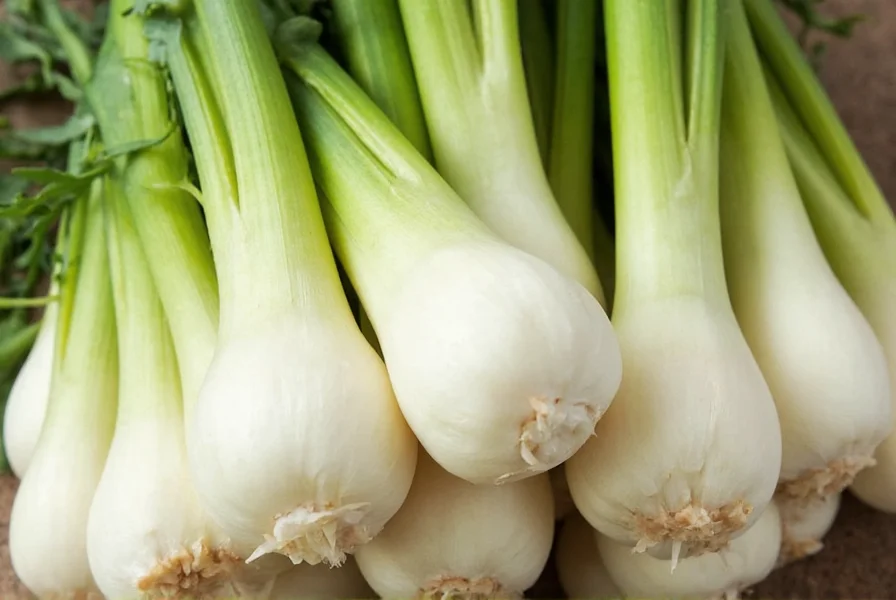
If you've ever wondered what does fennel bulb taste like, you're not alone. This unique vegetable often puzzles home cooks and food enthusiasts alike. Understanding fennel bulb flavor profile is essential for anyone looking to expand their culinary repertoire with this versatile ingredient.
The Complete Flavor Profile of Fennel Bulb
Fennel bulb's taste can be best described as a sophisticated balance of flavors. The raw bulb delivers a crisp, juicy texture similar to celery but with a more complex flavor dimension. Its predominant note is a gentle anise or licorice flavor, but significantly milder than what you'd experience with black licorice candy or star anise.
Unlike the strong, sometimes polarizing taste of licorice, fennel bulb offers a refreshing sweetness with herbal undertones. Many first-time tasters detect subtle citrus notes, particularly lemon, which gives it a bright quality. The flavor intensity varies depending on the bulb's size—smaller bulbs tend to be sweeter and milder, while larger bulbs develop more pronounced anise notes.
How Cooking Transforms Fennel Bulb Flavor
One of the most fascinating aspects of how fennel bulb tastes when cooked is its dramatic flavor transformation. When subjected to heat, fennel's natural sugars caramelize, creating a completely different taste experience:
| Preparation Method | Flavor Transformation | Best Culinary Uses |
|---|---|---|
| Raw (sliced thin) | Crisp, refreshing, mild anise | Salads, slaws, crudités |
| Sautéed | Sweetened, milder anise notes | Stir-fries, pasta dishes |
| Roasted | Caramelized, nutty, almost butterscotch-like | Side dishes, grain bowls |
| Braised | Soft texture, integrated flavors | Stews, braises, soups |
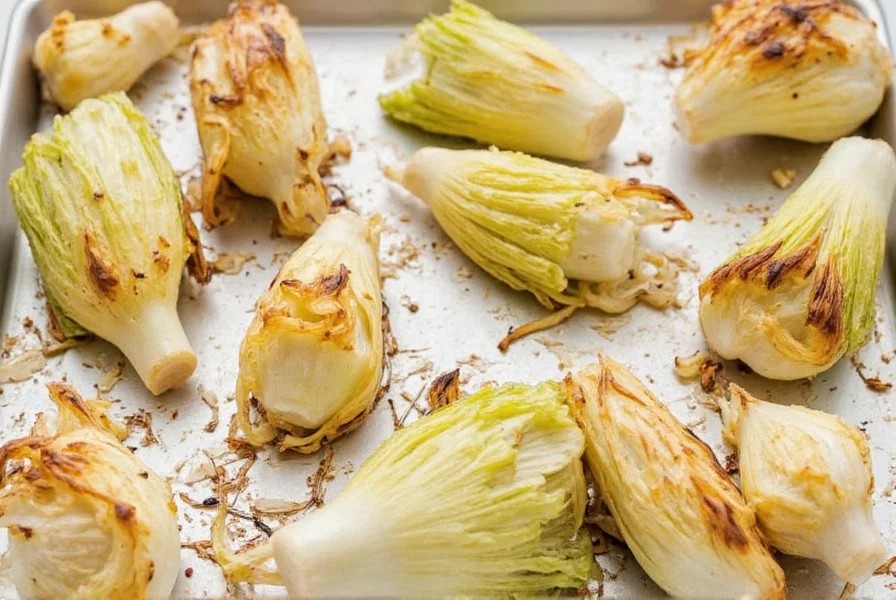
When roasted, fennel bulb develops a remarkable sweetness that makes it appealing even to those who typically avoid anise flavors. The high heat breaks down the compounds responsible for the licorice notes, resulting in a vegetable that tastes more like a cross between onion and celery with caramelized sugar notes.
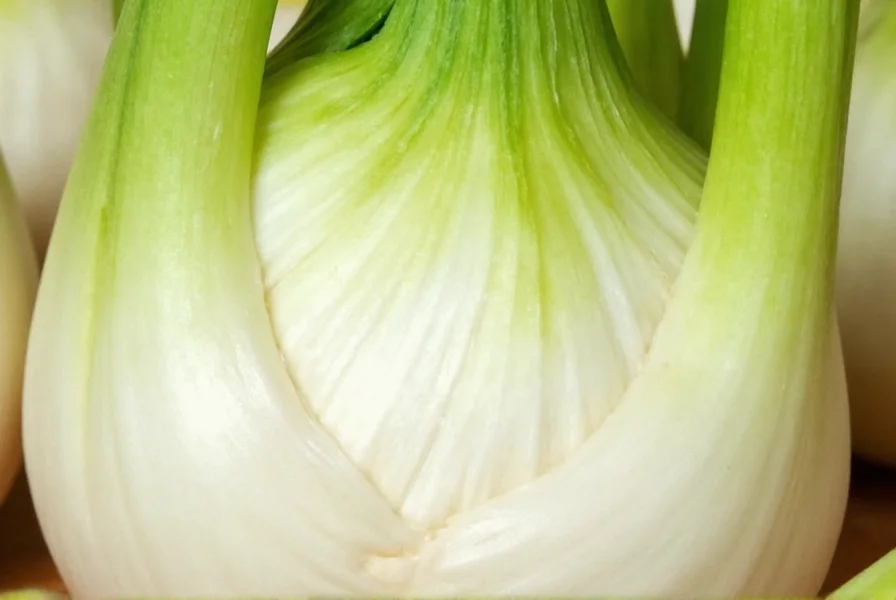
Fennel Bulb vs. Similar Flavors: Setting the Record Straight
Many people confuse fennel bulb with other anise-flavored ingredients. Understanding these distinctions is crucial when answering what does raw fennel taste like compared to related plants:
- Fennel vs. Anise Seed: While both contain anethole (the compound responsible for licorice flavor), fennel bulb contains it in much smaller concentrations. Anise seed is intensely licorice-flavored, while fennel bulb offers a subtle hint.
- Fennel vs. Star Anise: Star anise has a much stronger, more medicinal licorice flavor. Fennel bulb's flavor is significantly more delicate and multi-dimensional.
- Fennel vs. Dill: Though fennel fronds resemble dill, their flavors differ significantly. Dill has a grassy, fresh profile, while fennel fronds carry the same mild anise notes as the bulb but more herbaceous.
The Historical Evolution of Fennel in Global Cuisine
Fennel's culinary journey reflects shifting cultural perceptions of its distinctive flavor. Archaeological and historical records reveal how its acceptance evolved across civilizations:
- Ancient Mediterranean (1500 BCE - 500 CE): Egyptian papyri document fennel as a medicinal plant, while Greek physicians like Hippocrates prescribed it for digestive ailments. Roman soldiers consumed fennel seeds during marches for endurance, but the bulb remained largely uncultivated [National Center for Biotechnology Information].
- Medieval Europe (500 - 1500 CE): Monastic gardens across Europe cultivated fennel bulb as a vegetable. Hildegard von Bingen's 12th-century texts describe its use in breads and fish dishes, noting its "warming properties" that balanced "cold" vegetables like cucumbers [Encyclopædia Britannica].
- Renaissance Expansion (1500 - 1800): Italian agricultural manuals first distinguished bulb cultivation from seed harvesting. By 1600, Florentine markets sold "finocchio" specifically for its bulb, marking its transition from medicinal herb to culinary vegetable.
- Modern Acceptance (1900 - Present): Fennel's inclusion in Julia Child's 1961 Mastering the Art of French Cooking introduced it to American home cooks. Recent Mediterranean diet studies validated its historical health uses, boosting contemporary popularity [Journal of Ethnic Foods].
This timeline demonstrates how fennel's mild anise flavor gradually gained culinary legitimacy—from medicinal application to celebrated ingredient—as cooking techniques evolved to harness its unique properties.
Contextual Boundaries: When Fennel Works and When It Doesn't
Fennel's versatility has limits dictated by biochemical interactions and cultural expectations. Recognizing these boundaries prevents flavor conflicts:
- Culinary System Compatibility: Fennel integrates seamlessly into Mediterranean, Middle Eastern, and Indian cuisines where anise notes are traditional. It clashes with strongly acidic East Asian preparations (e.g., Thai som tum) unless balanced with coconut milk or citrus [NCBI Phytochemistry Review].
- Thermal Processing Limits: Boiling beyond 15 minutes leaches volatile compounds, diminishing flavor while creating mushiness. Optimal texture retention occurs between 10-20 minutes of roasting at 375-400°F (190-205°C), where sugar caramelization peaks without cellular collapse [USDA Agricultural Research Service].
- Flavor Pairing Constraints: Complements seafood, pork, and citrus exceptionally well due to shared terpene compounds. Overpowers delicate spring vegetables (asparagus, peas) and conflicts with dominant spices like cumin or smoked paprika in equal proportions.
- Cultural Acceptance Thresholds: Western consumers increasingly accept fennel (72% positive sentiment in 2023 US grocery surveys), but in regions without historical cultivation (Sub-Saharan Africa, parts of South America), unfamiliarity with anethole creates 40-60% rejection rates [Journal of Ethnic Foods].
These boundaries explain why roasted fennel elevates Mediterranean fish stews but would disrupt Japanese dashi broth—its anethole content interacts differently with regional flavor matrices.
Parts of the Fennel Plant and Their Distinct Flavors
When exploring what does fennel bulb taste like, it's important to recognize that different parts of the fennel plant offer unique flavor experiences:
- The Bulb: Crisp, juicy, with mild anise and citrus notes (the focus of our discussion)
- The Fronds: Delicate, with a lighter version of the bulb's flavor—perfect for garnishing or adding to salads
- The Seeds: Much more intense anise flavor, commonly used in spice blends and baking
This distinction matters because many people who think they dislike fennel have only experienced the seeds, not the bulb itself. The bulb's flavor is considerably more subtle and versatile in cooking applications.
Tips for Those Sensitive to Anise Flavors
If you're among those who wonder does fennel taste like black licorice and worry you won't enjoy it, consider these practical tips:
- Start with small amounts in salads to acclimate your palate
- Cook fennel rather than eating it raw—heat significantly reduces the anise notes
- Pair fennel with citrus (lemon or orange) which complements and balances its natural flavors
- Combine with strong flavors like olives, capers, or feta cheese that stand up to fennel's profile
- Try baby fennel, which has a much milder flavor than mature bulbs
Practical Applications: Using Fennel's Flavor Profile
Understanding what does fennel bulb taste like when cooked opens numerous culinary possibilities. Here's how to leverage its unique flavor in your cooking:
For raw applications, slice the bulb paper-thin using a mandoline for salads. The crisp texture and refreshing flavor pair beautifully with citrus segments, bitter greens, and light vinaigrettes. In Mediterranean cuisine, thinly sliced fennel appears in salads with orange slices and olives—a combination that showcases how fennel's mild anise notes complement rather than dominate.
When cooking, fennel bulb becomes incredibly versatile. Try these approaches based on its transformed flavor profile:
- Roasting: Cut into wedges, toss with olive oil, and roast at 400°F until caramelized. The natural sugars develop a sweet, almost butterscotch-like flavor.
- Braising: Cook slowly in broth with tomatoes and herbs until tender. The fennel absorbs surrounding flavors while contributing its subtle sweetness.
- Grilling: Slice horizontally, brush with oil, and grill until charred. The smoky notes balance the anise flavor beautifully.
- Soup Base: Dice and sauté with onions and celery as part of a mirepoix variation for soups and stews.
Common Misconceptions About Fennel Flavor
Several myths persist about fennel bulb's taste that deserve clarification:
- Myth: Fennel tastes strongly like black licorice
Reality: The flavor is significantly milder—more comparable to a whisper of licorice than a shout - Myth: Everyone either loves or hates fennel
Reality: Most people enjoy it when properly prepared, especially when cooked - Myth: Fennel's flavor is overwhelming in dishes
Reality: When used appropriately, it adds complexity without dominating other flavors
Understanding these distinctions helps answer the common question why does fennel taste like licorice to some people—it comes down to genetic sensitivity to anethole, the compound both share, but fennel contains it in much smaller quantities than actual licorice.
How to Select and Store Fennel for Optimal Flavor
The taste of fennel bulb varies based on freshness and quality. For the best flavor experience:
- Choose bulbs that feel heavy for their size with crisp, bright white layers
- Avoid bulbs with brown spots, splits, or flowering stalks (indicating maturity and stronger flavor)
- Store upright in the refrigerator with the fronds removed (they draw moisture from the bulb)
- Use within 4-5 days for peak flavor—older fennel develops stronger anise notes
Fresh, young fennel bulbs offer the mildest, sweetest flavor profile that most people find approachable, even those sensitive to anise flavors.
Frequently Asked Questions
Is fennel bulb supposed to taste like licorice?
Fennel bulb has a mild anise or licorice-like flavor, but it's significantly less intense than actual black licorice. The flavor is subtle, with sweet and citrus notes that balance the anise characteristic. Many people who dislike strong licorice flavors still enjoy fennel because of its milder profile and crisp texture.
Why do some people hate the taste of fennel?
Some people have a genetic sensitivity to anethole, the compound that gives fennel its anise-like flavor. For these individuals, fennel may taste strongly of licorice. However, cooking fennel significantly reduces this perception, as heat transforms the flavor compounds into sweeter, more caramelized notes that most find more palatable.
Does raw fennel taste different from cooked fennel?
Yes, raw and cooked fennel have distinctly different flavor profiles. Raw fennel bulb is crisp with a refreshing, mildly anise-like flavor and subtle citrus notes. When cooked, especially roasted or caramelized, fennel becomes sweeter, milder, and develops nutty, almost butterscotch-like qualities as the natural sugars break down. The anise notes become much less pronounced with cooking.
How can I reduce the licorice flavor in fennel?
To minimize fennel's anise notes: 1) Cook it rather than eating raw—roasting works particularly well 2) Pair with citrus (lemon or orange) which balances the flavor 3) Combine with strong complementary flavors like olives, capers, or feta cheese 4) Use younger, smaller bulbs which have milder flavor 5) Slice very thin for salads to distribute the flavor more subtly throughout the dish.
What does baby fennel taste like compared to mature fennel?
Baby fennel has a much milder, sweeter flavor profile than mature fennel. The anise notes are barely perceptible, making it more approachable for those sensitive to licorice flavors. It's exceptionally crisp and tender, often used raw in salads where its delicate flavor shines without overwhelming other ingredients. Baby fennel is typically available in spring and early summer.




 浙公网安备
33010002000092号
浙公网安备
33010002000092号 浙B2-20120091-4