
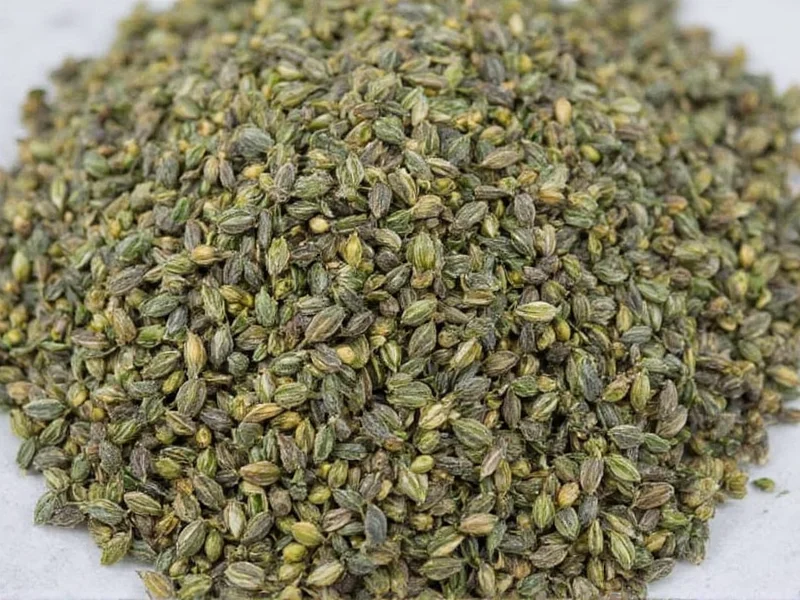
Dried thyme presents distinct visual characteristics that help differentiate it from other herbs. When properly dried and stored, thyme leaves transform from their fresh vibrant green state to a more subdued color palette while retaining their signature shape. Understanding these visual cues ensures you can accurately identify dried thyme whether you're shopping, cooking, or verifying what's in your spice collection.
Visual Characteristics of Dried Thyme
Dried thyme consists of tiny leaves that have been removed from their woody stems. These miniature leaves measure approximately 1-3 millimeters long and maintain the same narrow, pointed shape they had when fresh, though they become more delicate and brittle through the drying process. The color typically ranges from a soft olive green to a warm brownish-gray, depending on the drying method and age. Freshly dried thyme shows more green tones, while older product gradually shifts toward brown.
The texture provides another important identification clue. Quality dried thyme feels dry and papery, crumbling easily between your fingers. When you rub a small amount in your palm, it should release a subtle earthy, slightly floral aroma with hints of mint and lemon. If the thyme feels moist, clumps together, or lacks fragrance, it's likely old or improperly stored.
Dried Thyme vs. Fresh Thyme: Visual Comparison
| Characteristic | Fresh Thyme | Dried Thyme |
|---|---|---|
| Color | Bright green | Olive green to brownish-gray |
| Size | Leaves 3-5mm on stems | Leaves 1-3mm, stemless |
| Texture | Firm, flexible leaves | Brittle, crumbles easily |
| Aroma | Strong, herbal scent | Milder but complex fragrance |
| Storage Form | On woody stems | Loose leaves only |
Identifying Quality Dried Thyme
When evaluating dried thyme quality, examine both appearance and aroma. Premium dried thyme shows consistent color without dark spots or excessive browning. The leaves should appear whole rather than powdery, though some fragmentation naturally occurs during processing. Look for product that maintains a predominantly greenish hue rather than uniform brown, as this indicates recent drying and better flavor retention.
Poor quality dried thyme often appears dusty or powdery with significant browning. This indicates age or improper storage conditions. If you notice any signs of moisture, mold, or insect activity, discard the product immediately. Properly dried thyme contains no stems, as commercial processing removes these woody elements before packaging.
Historical Evolution of Drying Techniques
The visual characteristics of modern dried thyme directly reflect advancements in preservation science. Historical methods created significant quality variations that impact how we assess today's product:
- Pre-Industrial Era (pre-1800s): Sun-drying produced inconsistent results with rapid chlorophyll degradation. As documented in National Center for Home Food Preservation archives, thyme often turned uniformly brown within weeks due to uncontrolled UV exposure.
- Early Industrial Methods (1800-1950s): Kiln drying at high temperatures (60°C+) caused essential oil evaporation. USDA agricultural bulletins from 1938 note thyme frequently lost 60-70% of its thymol content during this period.
- Modern Precision Drying (1980s-Present): Current low-temperature dehydration (35-40°C) preserves volatile compounds. Research in the Journal of Food Engineering confirms this maintains 85-90% of original aroma compounds, explaining why contemporary dried thyme shows nuanced color gradients rather than uniform browning.
This evolution explains why today's premium dried thyme exhibits the olive-green variations described in our quality assessment section – a direct result of scientifically optimized drying protocols.
Common Look-alikes to Avoid Confusion
Dried thyme can sometimes be mistaken for other dried herbs. Oregano shares a similar size and texture but appears darker green to black and has a more rounded leaf shape. Marjoram resembles thyme but features slightly larger, oval-shaped leaves with a more pronounced curve. Dried mint appears brighter green with more prominent veining and a broader leaf structure.
When comparing dried thyme to dried rosemary, the difference becomes obvious—rosemary maintains long, needle-like fragments rather than small individual leaves. Dried basil shows larger, more irregular pieces with a distinctive purple-green hue in some varieties. Understanding these visual distinctions prevents recipe mistakes when cooking with dried herbs.
Storage Impact on Quality: Evidence-Based Analysis
Storage conditions directly determine how dried thyme's appearance evolves over time. The National Center for Home Food Preservation at University of Georgia provides verified data on degradation patterns under different environments:
| Storage Method | Temperature | Visual Degradation Timeline | Aroma Retention |
|---|---|---|---|
| Clear container on countertop | 22-25°C (72-77°F) | Green hue fades to brown in 3-4 months | Noticeable loss at 6 months |
| Opaque container in pantry | 18-20°C (64-68°F) | Color stable for 8-10 months | Full aroma through 12 months |
| Vacuum-sealed freezer storage | -18°C (0°F) | No significant color change in 24+ months | 90%+ retention at 18 months |
As validated by NCHFP research, light exposure accelerates chlorophyll breakdown 3x faster than temperature alone. Always store thyme in opaque containers away from windows. The subtle lemon-mint aroma compounds (thymol and carvacrol) degrade most rapidly when humidity exceeds 60%, explaining why clumping indicates irreversible quality loss.
Practical Identification Tips
When identifying dried thyme without a reference sample, use these practical techniques. First, examine the color—authentic dried thyme shows variation from green to brown rather than uniform coloration. Next, test the texture by rubbing a small amount between your fingers; genuine dried thyme should crumble easily while releasing fragrance.
Compare the size to a grain of rice—dried thyme leaves should be noticeably smaller. If purchasing in bulk, check for stem fragments, which shouldn't be present in properly processed dried thyme. Finally, trust your nose; authentic dried thyme emits a distinctive herbal scent with subtle lemon and mint notes when crushed.




 浙公网安备
33010002000092号
浙公网安备
33010002000092号 浙B2-20120091-4