
Understanding the taste profile of semen isn't just curiosity—it's part of comprehensive sexual health awareness. This guide provides medically accurate information about what influences semen flavor, when variations might indicate health concerns, and how to maintain optimal reproductive wellness.
The Science Behind Semen Composition
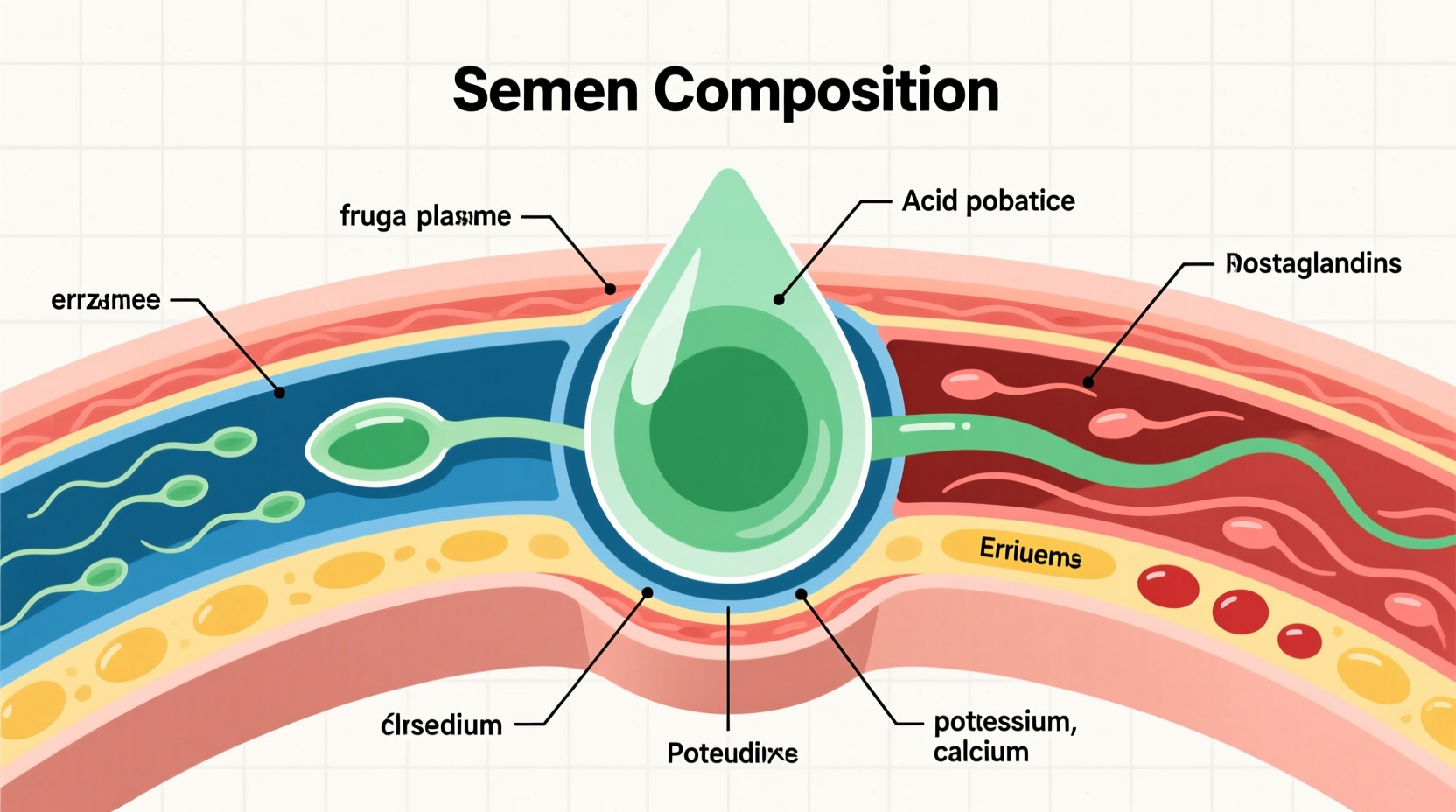
Semen's taste primarily stems from its biochemical makeup. According to the National Institutes of Health, healthy semen consists of approximately:
| Component | Percentage | Flavor Contribution |
|---|---|---|
| Water | 90% | Neutral base |
| Fructose | 2-5% | Sweetness |
| Proteins & Enzymes | 3-5% | Salty/alkaline notes |
| Zinc & Minerals | 1-2% | Metallic undertones |
This composition creates the characteristic slightly sweet yet salty flavor profile. The American Urological Association notes semen's pH ranges from 7.2-8.0 (slightly alkaline), which influences how taste receptors perceive its flavor.
What Actually Affects Semen Flavor
Contrary to popular myths, semen taste isn't fixed. Research published in the Journal of Andrology identifies several evidence-based factors:
Dietary Influences (72-Hour Window)
- Fruit-forward diets: Pineapple, citrus, and melons may enhance sweetness through natural sugars
- Hydration levels: Dehydration concentrates minerals, increasing saltiness
- Strong-flavored foods: Garlic, asparagus, and cruciferous vegetables can create bitter notes
- Substances: Alcohol, tobacco, and caffeine often produce more pronounced bitter aftertastes
Biological Factors
The Centers for Disease Control emphasizes that individual biology plays a larger role than diet. Key considerations include:
- Natural pH variations between individuals
- Hormone levels affecting biochemical composition
- Genetic differences in taste receptor sensitivity
When Taste Changes Signal Health Concerns
While flavor variations are usually harmless, the Mayo Clinic identifies specific warning signs requiring medical consultation:
| Normal Variation | Potential Concern |
|---|---|
| Slightly sweet/salty taste | Strongly bitter or sour taste |
| Minimal aftertaste | Persistent chemical or medicinal flavor |
| Consistent texture | Cloudy appearance with unusual odor |
These concerning symptoms may indicate infections like prostatitis or sexually transmitted infections. The CDC recommends professional evaluation if unusual tastes persist beyond 10-14 days or accompany other symptoms like pain or urinary changes.
Practical Guidance for Sexual Wellness
Instead of focusing solely on taste modification, prioritize overall reproductive health:
Evidence-Based Recommendations
- Hydration: Maintain 2-3 liters of daily water intake (per NIH guidelines)
- Nutrition: Consume zinc-rich foods (pumpkin seeds, oysters) and antioxidant fruits
- Medical care: Schedule regular sexual health screenings as recommended by AUA
- Communication: Discuss concerns with partners using non-judgmental language
What Doesn't Work (Debunked Myths)
Despite popular claims, research shows these methods don't reliably alter semen flavor:
- "Taste-altering" supplements (no FDA approval for this purpose)
- Excessive fruit consumption right before intimacy (requires 2-3 day dietary consistency)
- Mouthwashes or immediate pre-activity rinses (doesn't affect production)
Understanding Sexual Health Holistically
Taste perception varies significantly between individuals. What one person describes as sweet, another might perceive as salty due to genetic differences in taste receptors. The American Sexual Health Association emphasizes that focusing on isolated characteristics like taste can distract from more important aspects of sexual wellness:
- Consent and communication
- Regular STI testing
- Understanding normal bodily variations
- Mental and emotional connection
When concerns about bodily fluids arise, consult qualified healthcare providers rather than relying on anecdotal information. Reproductive health professionals can provide personalized guidance based on medical history and current health status.




 浙公网安备
33010002000092号
浙公网安备
33010002000092号 浙B2-20120091-4