
Curious about ordering a Manhattan but unsure what to expect? You're not alone. Many cocktail enthusiasts wonder what does a Manhattan taste like before trying this iconic drink. Understanding its flavor profile helps you appreciate why this cocktail has remained popular since the late 19th century. Let's break down exactly what you'll experience when you take that first sip.
The Manhattan's Signature Flavor Profile
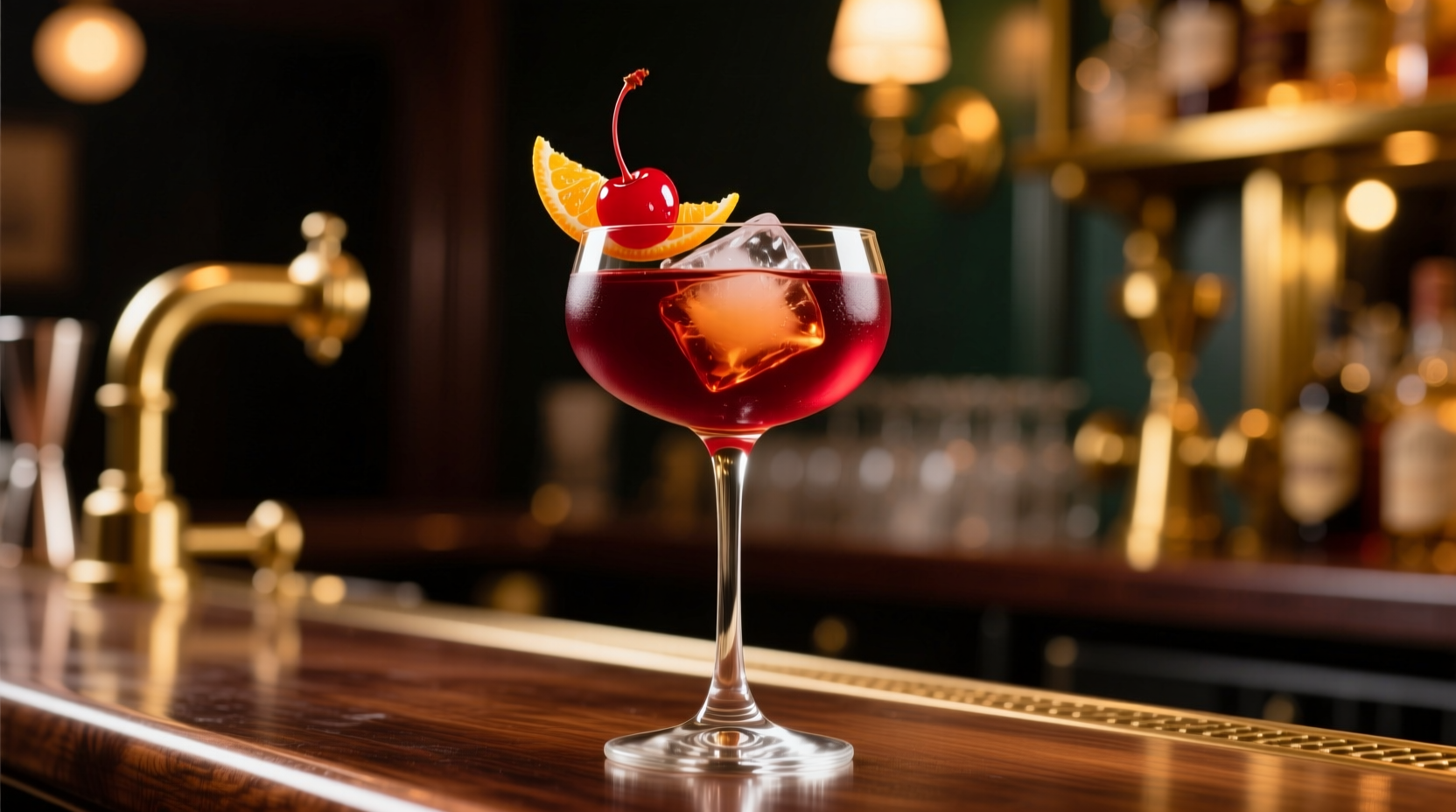
When you taste a properly crafted Manhattan, you'll immediately notice a harmonious blend of contrasting elements. The foundation is robust whiskey—traditionally rye, though bourbon is common today—providing a spicy, warming base. Sweet vermouth adds rich caramel and herbal notes, while aromatic bitters contribute subtle complexity with hints of citrus peel and spice.
According to Difford's Guide, the world's most comprehensive cocktail reference, the Manhattan's flavor "strikes a perfect balance between sweet and dry, strong and smooth, with the whiskey always remaining the star." This equilibrium creates what professional mixologists call "the cocktail trinity"—sweet, bitter, and strong elements working in concert.
Breaking Down the Taste Components
Understanding what does a Manhattan taste like requires examining each ingredient's contribution:
Whiskey: The Heart of the Flavor
The whiskey choice dramatically shapes your Manhattan experience:
- Rye whiskey (traditional choice): Delivers spicier, drier notes with pepper and herbal characteristics
- Bourbon (modern alternative): Offers sweeter, rounder flavors with prominent caramel and vanilla
The Spirits Education Council confirms that rye's higher rye content (at least 51%) creates the sharper profile that balances vermouth's sweetness, while bourbon's corn base produces a mellower drink.
Sweet Vermouth: The Balancing Element
Contrary to its name, quality sweet vermouth isn't cloyingly sweet. Instead, it contributes:
- Rich caramel and dried fruit notes
- Subtle herbal complexity (often containing up to 40 botanicals)
- A smooth mouthfeel that softens the whiskey's alcohol bite
Bitters: The Secret Flavor Enhancer
Just two dashes of aromatic bitters transform the drink by:
- Adding subtle spice notes (clove, cinnamon)
- Providing citrus undertones
- Creating depth that makes the flavors linger
| Cocktail | Primary Flavor Profile | Alcohol Perception | Sweetness Level |
|---|---|---|---|
| Manhattan | Whiskey-forward with herbal complexity | Moderate (65-70% whiskey) | Moderate (balanced by vermouth) |
| Old Fashioned | Sugar and bitters dominant | Strong (100% whiskey) | High (simple syrup/sugar) |
| Rob Roy | Similar to Manhattan but smoother | Moderate | Moderate |
Your Sensory Journey: How Manhattan Tastes Over Time
Understanding what does a Manhattan taste like means recognizing how the flavor evolves as you drink it. Professional mixologists describe the Manhattan experience in three distinct phases:
- First Impression (0-5 seconds): Initial sweetness from vermouth with immediate whiskey warmth. The alcohol is present but not harsh when properly balanced.
- Mid-Palate (5-15 seconds): Rye's spiciness or bourbon's vanilla emerges, supported by vermouth's herbal notes. This is where quality ingredients shine through.
- Finish (15+ seconds): A clean, slightly bitter aftertaste that invites another sip. The best Manhattans leave a warming sensation without unpleasant alcohol burn.
Factors That Change Manhattan's Flavor Profile
Several elements influence what does a Manhattan taste like in your glass:
Whiskey Selection Matters Most
The American Distilling Institute notes that rye-based Manhattans taste "sharper and more assertive," while bourbon versions are "smoother with pronounced sweetness." This isn't just preference—it's chemistry. Rye's spicier profile cuts through vermouth's sweetness, creating a drier overall impression.
The Vermouth Ratio
Traditional recipes use a 2:1 whiskey-to-vermouth ratio, but modern interpretations vary:
- Classic (2:1): Balanced profile with equal prominence of whiskey and vermouth
- Dry Manhattan (5:1): Whiskey dominates with just a hint of vermouth
- Sweet Manhattan (1.5:1): Vermouth's herbal notes become more pronounced
Temperature and Dilution
As ice melts during stirring, it slightly dilutes the cocktail, which professional bartenders consider essential. The Cocktail Enthusiast explains that "proper dilution (about 20-25%) opens up flavor compounds that remain locked when the drink is too cold or too strong."
When Manhattan Tastes Its Best: Context Matters
The Manhattan shines in specific situations that enhance its flavor profile:
- Cooler temperatures: Best enjoyed when slightly chilled (not ice-cold), allowing flavors to express fully
- After dinner: Its balanced profile makes it an excellent digestif
- With complementary foods: Pairs beautifully with dark chocolate, aged cheeses, or charcuterie
Conversely, Manhattans often disappoint when:
- Made with low-quality or oxidized vermouth
- Served too cold (numbing the palate)
- Shaken instead of stirred (creating unwanted aeration)
Why Manhattan's Flavor Has Endured for Over a Century
The Manhattan's taste profile represents cocktail-making at its most refined. Unlike many modern drinks that rely on sugary mixers, the Manhattan showcases quality ingredients working in harmony. Its enduring popularity stems from that perfect equilibrium—sweet enough to be approachable, complex enough to be interesting, and strong enough to satisfy whiskey lovers.
As cocktail historian David Wondrich notes in Imbibe!, the Manhattan "represents America's contribution to the cocktail renaissance—taking European vermouth and combining it with distinctly American whiskeys to create something entirely new and perfectly balanced."




 浙公网安备
33010002000092号
浙公网安备
33010002000092号 浙B2-20120091-4